Every week an envelope arrives in my mailbox with a twenty-dollar bill inside. Never more. Never less. No note. Post-marks from all over the country. Twenty dollars is not enough. Even before the pandemic it wasn’t enough.
There are five of us: four children and one woman, who is me. The children are nine, five, three and seventeen months. Three of them are girls. The oldest one, Abbygayle, is not mine, well not mine by birth, but I am all she has. The others: Taylor, Tommy, and Taryn, I did give birth to. I am still breastfeeding all of them because I still have milk and twenty is not enough.
A bag of mandarins on sale, two cans of black beans, a box of Giant spaghetti pasta, 52 ounces of orange juice, a box of elbow pasta, Pasta Sauce, Wonder Bread, Giant Concord Grape Jelly, Cheddar Cheese Pringles and one Hershey Bar. That’s twenty dollars and everything but the jelly was sales priced.
Everyone is hungry. Abby and Taylor get free school lunch and I have trained them to steal, we call it “borrowing” as if that makes it okay, toilet paper from their school’s bathrooms. Even if they get caught, and they have, it’s toilet paper and they’re kids and they explained it was only borrowing. And what was the school gonna do? Ban them from the restroom?
Weekends are the worst. When I had a car we’d sometimes turn up like unwanted relatives at church suppers, but he sold my car. Or hid it. Or crashed it. Or did something else that I don’t know about.
He pays the electricity, the water, the mortgage. We are never cold or left in the dark. Twice a year he swoops in with new clothes for the older girls. Like he was Santa or the kind of father who spoils his kids instead of the kind of father who starves them.
“I can’t trust you with money, Jane,” he told me after he’d told me there’d be twenty dollars every week rain or shine come what may. He told me that was plenty. There were only two children then and Tommy was a baby, but it still wasn’t enough. And it was less once Taryn was born and when Abby came to live with me after her mother ended up back on drugs.
I can sort of understand that inclination: reality is just so terrible. So terribly hard.
Every so often a case of beer will appear on the sagging wooden porch, a fifth of Jack, a bag of weed. I know then he’ll be back soon: I am not a mean drunk, I am docile, sweet, the way he likes me.
He, yes, he does have a name, but I don’t like it, and I don’t like him, and I don’t like saying his name. It’s worse to me than the c-word or the n-word or all the other bad words combined. “Twenty dollars is just enough,” he said.
Almost enough to keep us from starving. Certainly enough to keep me from leaving, because where could I go when I had nothing? No money. No car. No outdoor clothes. No shoes. No phone or cell-phone or computer. My family and one-time friends had all written me off long ago. “Stay away from him, Janie,” my dad had said and my mom and my step-father and step-mothers one and two. “He’s bad news,” said my assorted siblings, half-sisters, and step-brothers.
But the heart wants what it wants. Tommy pulls my nightgown down, demanding to be nursed. He is voracious. His teeth are sharp. He will grow up to be like his father, telling women things are enough when they aren’t. I can feel it in my bones and my aching breasts.
During the pandemic he brought a cat home on one of his semi-regular visits: an orange tabby with brilliant green eyes. The children had loved him. Twenty dollars is not enough for cat food let alone visits to the vet. I hope the cat found a better home, one with food and care as well as love. I tell the children that’s what happened and I can see them wondering if they, too, should seek out such a home.
I don’t think he’d care. I’m not sure he’d notice. He never mentioned that cat, never asked after it, not once.
Abby says, “My teacher asked if you or my dad would be coming to the parent-teacher’s conference this year. She said they want to speak to you.” She looks uncomfortable. Her blue smock dress turned top is tight across her chest. There is dirt on her cheek. The soap at their schools is in dispensers so they cannot borrow it. I can’t afford soap any more than I could afford the pet food or that I could afford bus tickets for all of us out of this town.
Twenty dollars is not enough.
Abby and I look down at my slippers, one of which has a sole that flaps, look at my stained red and white housecoat, her eyes continue up to my chapped lips.
“Don’t worry, Mama, I told her no.”
I don’t remember when Abbygayle started calling me Mama instead of Jane. I don’t mind.
For dinner I will heat up some pasta, one small cup each, with sauce. For dessert one of those little squares of chocolate. I wonder if the children have rickets or scurvy. I don’t know what rickets or scurvy look like and twenty dollars does not buy health care. Or Ubers.
In the garage, that does not garage a car, there is an old lawn mower, some clippers and a huge freezer. In season, and sometimes out-of-season, he hunts and sometimes the freezer is filled with venison. Then I use some of the money to buy oil or margarine so I can cook it up. Then the children’s stomachs are full and so is mine.
The freezer is empty now, but there was whiskey on the porch so I know he will be coming by for one of his visits. To check I haven’t seduced the mailman or murdered his children and run off. I used to like whiskey with cola, but twenty dollars doesn’t buy soda, so I open the bottle and drink a glassful neat. And then a second and part of a third before I put the spaghetti on to boil.
Abby is helping Taylor with her homework, which is coloring a picture of a house that looks nothing like our house because it is nice looking and Taylor has given it pink “paint” and drawn smiling parents looking on approvingly as a fantasy Taylor eats an apple.
“Beautiful honey,” I say, “Is that me?” I point to the woman, who seems to be wearing a pink dress that matches the house.
Taylor nods. “And Daddy.”
“Where are my shoes?”
Taylor grabs her drawing and looks down at my feet. “You tell me,” she says, sounding more like my mother than my five-year old daughter.
“Shush,” says Abby and I feel my eyes water. I am coming to a boil just like my store-brand bargain pasta.
More whiskey, I think, more whiskey I want, but then I won’t be able to nurse and the children will go to bed even hungrier.
*
He comes the next night when I am half asleep, the bottle of Jack half-empty. He is looming over me, frowning. “You’re a mess, Janie, and here I am in my best clothes ready to take you dancing.”
It’s a joke, not a joke, on our first date he took me dancing, two-stepping in a self-consciously honky-tonk bar. He is a sharp dresser, he always has been, black jeans with a crease down the middle, a chambray shirt in sky blue, a color he knows is my favorite. He hands are so clean, his nails look like he’s had a manicure, his breath is sweet with the smell of weed and his eyes are deceptively warm and kind. “What’s it going to take?”
“Take?” I say, siting up, moving Taryn off my lap where she’s fallen asleep. “Go off to bed now, honey.”
She starts to say something, but toddles off, ignoring him, her baby-radar on full alert.
“To get you presentable. Jeez.” His tone is steel light as he sits down beside me, hand reaching into his shirt pocket for a spliff. “Any of the whiskey left?”
“A bit.” I hope that’s true. I have been nursing myself on it all day.
“God, you’re a wreck.” His tone has sharpened, but he passes the spliff to me and I inhale. “Little soap and water, bit of shampoo, bit of me time and you could still turn heads.”
I take a deep hit, before passing it back. “Soap and shampoo aren’t in the budget, hon.” I NEVER say hon, but it’s better than saying his name and the whiskey and the weed are working their magic.
He laughs. “Give us a kiss.”
He’s Irish, this man, although he’d lived in the US so long his accent has nearly vanished. He came here as a boy. I met him when he was a bad man and now he’s worse. I kiss him like I loved him though because if I don’t the twenty dollars might vanish.
Or I might.
He fucks me hard. In my pussy. In my ass. In my mouth. He doesn’t touch me with his manicured hands. He doesn’t speak: not lies about love or even encouraging c’mon babies as he used to when we were new to each other. It hurts. The not talking hurts; the not touching hurts; and the sex hurts. He is gone when I wake up, the twenty-dollar bill on the bedside table. And, somehow, that hurts too.
Two boxes of rice, orange juice (because that will keep us from getting rockets!), two cans of tomatoes, a pound of onions, Cha-Ching White Bread, Food Lion Apple Jelly, Colgate Toothpaste (a splurge, but a must), and a Nestle’s Crunch Bar. It seems like less than last week. Every week seems like less.
I have less milk today too, because he insisted on suckling at my breasts, like I was a sow and he was the baby piglet. Tommy strikes me in frustration and Taryn just wails as Taylor and Abby take a sip of orange juice each and share a piece of the cheap bread, toasted with the leftovers of last week’s jelly.
The sun is out and I sit on the porch watching Tommy and Taryn who sit on the ground watching an earth worm. I wonder if they would like it for a snack. They don’t play anymore: they are listless and hollow-eyed despite my milk. My hair is so brittle, I think it might all fall out. It won’t matter, it will be better, more proof that no one else will ever want me like he does.
A car pulls up: poorly painted hot pink with a muffler so loud we all cover our ears. A woman get out, tentative smile on her face: her teeth are bad. “I’m Gina,” she says. “Abbygayle’s mother.” That is unnecessary because the two look so alike I knew it at jump.
Gina, Abby’s mother, looks better than I would have expected. She is not scratching her arms or face. She looks better nourished than I do: her hair is lank, but looks clean. She looks over at Tommy and Taryn. “Yours?”
I nod.
“And Declan’s?”
Hearing his name makes me jump as if I’d been prodded with something electric. “Yes. His.”
Gina looks sympathetic. “Is Abby here?”
“School.”
“Of course!” She lightly slaps her face. “Silly me.”
Taryn has crawled into my lap and I cuddle her as a mother should. “Do you want some water? There’s really nothing else.”
“Christ,” Gina says, but I know she believes me. We look into one another’s eyes and we know. “I’m all right,” she says. “It took me a long time to find you. Couple years.”
I nod. “You’re taking her? Abby?” I keep my face closed; my tone flat.
She nods. “It’ll be okay. I’m clean now, fourteen months, and my mom…she would have taken care of Abbygayle but Declan took her…. thank you, thank you, Jane.”
I nod again. “She’s a good girl. It wasn’t a problem.”
“I’ll wait in the car,” Gina says, after we’ve both silent for a long while. “Does she have a suitcase or….no…. I’ll just…just…”
“Okay,” I say, wishing that he had left me another bottle of whiskey or some weed. I don’t say goodbye. Taylor comes into the living-room where Tommy is drawing on the wall and Taryn is whimpering in her semi-fugue state.
“Abby left with that lady,” Taylor tells me. “Is she coming back?”
“I don’t know. Maybe.” Taylor starts crying, but I don’t move to comfort her. I can’t move.
She reaches out a grubby hand, holding a grubby bill. “The lady said to give you this.”
It’s another twenty. I think: a pound of butter, a bar of Ivory Soap, a pound of hamburger, a pack of my favorite Little Debbie Brownies, Cha-Ching Peanut Butter, a gallon of sweet tea, a box of penne pasta and a single perfect Red Delicious Apple. I think what a difference that money would make with only four mouths to feed. Four mouths instead of five.
I fold and unfold the bill, then stuff it into the pocket of my housedress. Twenty dollars isn’t enough.
I had only been back in Toronto a few weeks when I overdosed and came to in the Intensive Care Unit at Keelesdale Hospital. All my money and dope were stolen by the people I was with before I went under, and who’d dumped me from their car just a few blocks from the hospital. I was twenty and wired to heroin and cocaine, and had been for three years, using every day to feed my three-hundred-dollar-a-day habit. To keep from getting dope-sick, I robbed convenience stores and the occasional bank teller. Until a few weeks ago, that is, when I was arrested and convicted on two counts of robbery. My lawyer managed to swing a plea bargain for twenty-two months, and avoided me going into the penitentiary system.
I had previously spent six months in the Don Jail and three in the East Detention for drug possession beefs. This was my first time in a provincial correctional facility, and I did not expect it to be the maximum security Milbrook. I was locked-up every day for twenty-hours, while the remaining four were split between the yard and the range. I was apprehensive about doing time with hardened, violent cons, who were in The Brook because none of the lower security joints would house them – they were considered too high risk. But I quickly adapted, befriending the more notorious offenders from my range, and eventually those from other ranges too, some of whom I knew from the street and others from my time in the Don. It was a matter of reputation to be seen with the higher profile boys, and was the difference between doing easy time, or fighting for every ounce of respect. Whether I won or lost, it hardly mattered; the important thing was not to back down and show fear, which to these guys was an invitation to mess with you.
I spent most of my cell time reading, completing correspondence courses, and writing letters. I hadn’t heard from my younger brother Pino since his first letter, right after he was charged with tossing his ex’s boyfriend over the balcony and nearly killing him. I learned from my mother that Pino was serving time in Guelph and doing well. ‘I can sleep at night knowing you’re both safe,’ she’d written. It’s a hard thing to accept when a mother is more at peace with her children in jail than on the street, though for me the street meant running wild and inching closer to a death by heroin overdose. Or worse, barely surviving the kind of life that made me wish I were dead.
My family resided in Italy, and there wasn’t much our mother could do to help us but worry. The time came, however, when she could no longer stand to be away from us. My father, on the other hand, was against uprooting his family yet again, and would not neglect Angelo and Maria, his two younger children, to help the two older ones, who he believed were old enough to take care of themselves, anyway. Our mother argued that if they did not help Pino and me, we would probably die, an argument our father couldn’t counter, given both of us had already overdosed once – she did not wish to wait around for it to happen again.
Finally convinced, our father sold the shop and apartment. My family arrived in Toronto at the end of July of 1985. It was the first time my father compromised for the benefit of his family, though it wouldn’t be the last.
The days passed quickly in Milbrook, considering I rarely left my cell. It could have been the first day of the month, or the twenty-seventh; it didn’t matter, as each day looked the same, however you turned and shaped it. My cell was ten by ten feet and had a small steel desk and a little window from which at noon exactly, a splash of sun fell on the word ‘fuck’, from fuck the world that some inmate had scatched on it. Instead of meal time, it was fuck time. Of course, a clock wasn’t needed to know what was happening at any given time, in or out of my cell, as after a while, the body became finely tuned and took measurement of the jail, and sensed things, warning when to stay in, or when to come out, and listened to the whispers that passed from cell to cell that told of searches, or when someone was about to get shanked. If you listened closely enough, you could hear the voices moving with the air.
About six months into my sentence I was scheduled to work in the license plate factory. Every day for seven hours I stamped out license plates on an old, industrial press, though I would rather have preferred to stay in my cell to read Dickens, or London, or this guy Bukowski I’d come across in the library, who seemed to have been through the grind himself; or work on the creative writing course I’d recently begun. But a favourable report from the work boss was necessary for the Parole Board to consider an early-release; it showed I could hold down a job and maintain some level of responsibility, which, truth be told, I sorely lacked. I’d never had a job before and my only source of income was crime and street hustle. There was much I needed to learn, if I stood a chance of remaining drug-free, and living past twenty-five, the age many of my friends didn’t reach; guys I’d used and hustled with; went to grade school and played street hockey with; whose mothers still wore black and cried themselves to sleep every night.
I’d managed to stay clean from drugs and alcohol throughout my incarceration, even if heroin and coke could be easily bought with smokes and canteen items. Six months of incarceration had tamed my heroin cravings considerably. I attended the occasional AA meeting also, and went to chapel service every Sunday morning for worship. There was no shame in it, especially not in the Brook, where evil and violence were the dominant themes, and needed to be balanced with Good, or you could lose yourself to the dark side. Besides, where recovery from dope was concerned, a spiritual program was as essential as gravity, the thing that kept me grounded. I felt my energy shifting daily, like the sun, or moon that orients itself around the earth and commands the tides, and so too had God’s light oriented my soul a few degrees to the good; and good begot good. My mind and heart had softened once more, and I prayed and read the bible every day. And good things seemed to happen now, without my asking for it, and I was more grateful for even the little things.
I was called out of work for a visit. It was my first. I was both shocked and relieved to see my parents waiting for me on the other side of the plexiglass partition; shocked that they were there at all, given I believed they were still in Italy; and relieved that my mother was smiling when I entered the nondescript room. My father sat at the stool directly before me, silent in the way only he could be, with a look on his face that suggested he was angry. I was about to say something mundane like, ‘Ciao papa‘,’ when he said,
“Ma, isn’t that George Chuvalo over there?”
I looked over to the stool at the far end of the room and sure enough, there was the three-time Canadian Heavyweight Champ, while on my side of the partition was his son Jesse. The elder Chuvalo was engrossed in some narrative, while the younger listened intently, and then they both laughed, and I wondered how it felt to have that kind of relationship with your father, one where he actually spoke to you, and gave you advice about things, and laughed at your jokes, and said he loved you now and again. I wondered what it was to have a father and a dad.
“E’ Lui, si,” I said, suddenly feeling sadder than when the visit had begun.
George was, of course, hard to miss, being the face of Canadian boxing. His son, on the other hand, had more cause for anonymity. Offenders pestered him about his famous dad, and talked shit behind his back about his family’s struggles with heroin, crap they’d heard in the news, or had contributed themselves through prison yard gossip, passed along like currency from offender to offender. It was difficult enough getting by in this place, without the extra negative attention.
“When did you get here, papa? In Toronto, I mean?”
My father just looked at me without answering. It was his way of controlling us and making you believe you’d done something wrong; of keeping his family on edge and making everything about himself. My father blamed me, you see, for all our family’s struggles, making communication with him almost impossible. And when we did speak, it was strained and forced, awkward even; I had to think hard about the right thing to say. Of course, I understood his animosity toward me; any father would be disappointed whose son had made the kind of poor life choices I had; and besides, what father would be happy with two of his children behind bars. It was much easier to just talk about other people than it was to speak about things that really mattered, the obvious, difficult conversations that might have suggested he was partly to blame for my family’s problems.
“Mamma, why didn’t you mention in your last letter that you were coming here?”
“Vollevamo farti una sorpresa,” my mother said smiling. “A surprise. You look good, Michele. It shows on your face.”
Though she smiled, I saw tears roll from her eyes, eyes that watched me closely, seeking the place where only a mother knows to look, to confirm what I’d claimed in all my letters to her: That I was clean and sober, and had found spirituality once again. It was Faith that gave my mother strength to carry on, and the will to support me and Pino. Knowing I was on a spiritual path validated her efforts. She believed it was her responsibility to teach us about God, protect us from the Devil’s snares, and this from the time Pino and I were alter boys at St. Nick’s; before even, when she tucked us in at night and taught us prayers. I hadn’t yet learned to ride a bike, but I could say the Our Father, Hail Mary, and the entire Rosary, in English and Italian. She was good, my mother was, and knew that in our hearts, so were her sons.
My father continued alternating his attention between me and George Chuvalo, seemingly reassured by the boxer’s presence in the same jail. And not for the man’s social status. It’s true that my father was a proud and private man, and would never tell another person that his boys were criminals and junkies; he was embarassed even to think about it; but here he was now, sitting next to a man, a father, a Champion no less, who’d endured the same emotional blows as him, suffered the same despair and domestic upheaval, and whose son was also a drug addict – my father was reassured by this, and for the moment, didn’t feel quite so alone and helpless.
I instinctively wanted to say how sorry I was for having disrupted their lives again. I’d carried the guilt of my family’s misfortunes since my first fix of heroin at the age of seventeen. Seeing my parents now, I was helpless to deny the depth of my humiliation, and my eyes welled with memories of years wasted on the streets. I understood in that moment the profoundness of their sacrifices; the lengths to which they went in order to keep me from sinking deeper, and deeper still, into my addictions. I wanted desperately to ask their forgiveness; but the words seemed unauthentic in this room, and undeserving. I looked at my parents from behind the glass and saw their innocence, the values they’d attempted to teach me, their goodness. And then I looked to myself and knew that I belonged here, in this shit-hole they called the Brook, a supermax jail likened to Alcatraz. But my parents did not belong, not even as visitors. They were the victims of my recklessness and deserved more than to see their eldest son incarcerated, wearing jailhouse blues and a number on his chest, when their hope for me was to simply be a good man, find a decent job and raise a family, everything I wanted for myself, in fact, but struggled to acquire.
My visit ended and I was escorted to my cell by a Correctional Officer. The mechanical door slammed behind me and I lay on my bunk and picked up John Fante’s Ask The Dust and I read, and read, but the words were merely distant whispers, and melted with thoughts about my life outside these walls, about making my parents proud and getting a job and birthday parties; of hopeful things, the kind of stuff that made one vulnerable in a place like this, where distractions got you killed.
The jail noises intruded into my consciousness, white noise like the mechanical whir of the fan, and the opening and closing of cell doors, and the C.O.’s falling footsteps during count, looking into cells for signs of weapons and narcotics and suicide. The hour I’d spent with my parents earlier in the day was another world entirely, another mental time zone, and was now only a distant memory. I felt myself adjusting to the range activities and sounds, like when I was on the street and got ready to rob a bank, my awareness heightened, vigilant, my conscience turned off. I felt my prison attitude returning to my shoulders and chest, now hardened from months of pushing free weights in the yard; felt it on my skin, like armour, or psychosis. I was two people. I was my mother, with her kindness and generous spirit, her soft innocence and light, and hope for a better future. And I was my father, with his ego and defensiveness, his cold, hard demeanour, and dark half in times of insecurity and threat. I was both victim and assailant.
The 11:00 pm count began. We were locked into our cells until 6:00 pm of tomorrow. I looked out the small window, into the obscure night, and allowed my thoughts to wander into a kind of meditation and I prayed the Rosary and offered up my good intentions. I read some Bukowski and knew that he was writing about himself, as the despair that oozed from his words was my despair when I was homeless, or dope sick, or broke and dope sick. I read a blurb of his that said it was important not to try at things, that you wait and if nothing happens, you wait some more. Yet, all I’d done in my life was wait; for inspiration, love, financial security, vocation, freedom; and nothing came but more wasted time that stretched into days and months and years. I was tired of waiting for things to happen, of people and circumstances to control my life. It was time I took back that control. I picked up my pen and wrote a title for a story I’d begun to write for the Creative Writing course: More Wasted Time, by Michael Amatulli. I finished the story late in the night, and in the silence and stillness of the range, before I went to bed, wrote the final words to close the story:
The End
photo: William James Topley, Carleton County Jail, 1895
each ripple a transient brushstroke beneath the moss-draped trees, where branches tap with grandmotherly fingers
the light filters in patches, a muted backdrop of greens and browns, where shadows pool like spilled ink,
perfumed by damp earth with the faintest hint of floral
water lilies drift lazily,
their delicate blooms in smudges of color floating like fragments of a dream
while dragonflies dart in silver trails,
the cypress knees rise from the depths, though gnarled and ancient these silent sentinels guard the primordial realm as their shapes soften in the encroaching mist
the boat slips through reeds and rushes, each swaying stalk, a whispering brush against the hull’s weathered side, a rhythmic cadence in this verdant sanctuary
birds echo an intermittent soundtrack, flitting from treetop to water’s edge, a chorus that punctuates the stillness, brief notes of bright clarity in the ancient, unhurried palette
each moment a detail in an unspoken narrative, painted in hues of patience and mystery, as I drift through this living tableau, the swamp’s quiet artistry
Walking into Starbucks, Katherine spotted Ted sitting alone by the window. He seemed preoccupied and did not look up even when she pulled a chair closer to join him. Looking out the window, he tapped his cardboard cup lost in thought.
“Did the meeting go well?” she ventured.
Ted turned and smiled. “Oh, yes, all good. She approved the budget. I’m just a little…” he shook his head with a bewildered sigh.
“What is it? You feel OK?”
“I’m fine. Well, not really. Something strange happened today. Eerie.” He paused, twisting his cup left and right on the table, before looking up. “I saw myself today.”
“Saw yourself?”
“Yes. I saw myself. Watched myself. But not me now. Me fifty years ago.”
She leaned forward. Ted was never given to whimsy or fanciful stories. The flat soft tone of his voice was troubling. “What do you mean?”
“I met with Bess Andre at the Fairmont at eleven. We went over the budget. She liked what she saw and said she just needs this month’s bank statements to approve it. I told her she’d get them end of the month. Meeting went great. No questions. So we chitchit-chatted a bit, took a few pictures, then I headed out.”
“OK,” Katherine said softly.
“Well, I parked down on Pine. So, I crossed California to walk down Mason and froze. I just froze. In the driveway plaza of the Mark Hopkins, there was a 1973 white VW bug. What caught my eye was the rear fender. It had a crescent-shaped crease, a dent. I had a white ’73 VW with the same dent in the same fender. That was my car! But new. I drove that thing into the ground back in the Eighties. I sold it for junk for a hundred bucks to a friend who wanted parts. But this morning it was back, brand new but with that dent I got just after I bought it. The trunk lid was up, and I could this guy arranging things. And he was left-handed like me. He held the lid up with his right hand the way I used to. And he wore his watch on this right arm like I do. And it was one of those thick leather cuff watchbands from the Seventies. I had a band like that and the same watch. Gold with a black face. And he was wearing what I wore then – Dingo boots, flared jeans, black turtleneck, tweed jacket with leather elbow patches. And he had mirror aviator sunglasses. My girlfriend Toni got me a pair for my birthday that year. I tell you it was me. Then it hit me. The Mark Hopkins. April 1974. My sister and her roommate flew out from Wisconsin on spring break and stayed there. My friend Ric and I took the girls around all week. Fisherman’s Wharf. Chinatown. The Cannery. End of the week I drove them to the airport. So I watching myself packing up their stuff in my car at the Mark Hopkins getting ready to take them to SFO in April 1974. I swear it was me. Same car. Same clothes. Same watch. Same sunglasses. It was me!”
She nodded, sensing his unease.
“I could see the license plate, but who remembers their number from fifty years ago, right? But I know I have old snapshots. I’m sure they’d show the plate. So I picked up my phone to take a picture. Just then, the kid turned to face me. And just as I snapped the picture, he was gone. Nothing. He was gone. The car was gone. Just like that. Here, look.”
Ted held up his phone, scrolling through pictures. “Look, this is us last night. This is Bess and me this morning. And this last one is the picture I took in the driveway of the Mark Hopkins. No VW, no driver. Just that delivery van in the background. But I swear that guy and that car were there. And it was me. I saw me in April 1974. I Googled it. Easter was the 14th that year. The girls flew home that Friday. Would have been April 19, 1974. Just before noon.”
“Experience anything like that before?”
“Never. You know me. I taught physics. Only believe what I can see and touch. But this today. The car and the guy. If I saw one separately, OK, a weird coincidence. But the guy dressed like me and my car in front of the Mark Hopkins? That was me, April 1974 getting ready to drive the girls to the airport. Just too many coincidences at once. Look, if I saw that car last week in a parking lot in Houston I would freak. Looks like my old car with the exact same dent. That would be something in itself. But that car in the same spot fifty years later with someone dressed like me, same build, left-handed? Same sunglasses, turtleneck?”
“What are you going to do? You seem so rattled. I’ve never seen you like this before. Are you sure you’re OK?”
He waved his hand. “I already booked an appointment with my internist. Maybe it’s the new meds. I’ve had some intense dreams lately. Vivid lucid dreams. Maybe that’s it. It must be my new meds.” He nodded as if repetition would reassure him. “That must be it. I hope.”
“What’s wrong? It was just a flash maybe. Like a memory. You walked by the Mark and remembered your sister. Just a vivid memory. You have a good memory.”
“I dunno. . .” he muttered softly. “I keep thinking of my grandfather. I flew home for Christmas one year and visited him at the VA. He was seeing things, too. Dementia. When I walked in the room he kept calling me Johnny. ‘Johnny, where you been? Johnny, you OK? You all better?’ My grandmother told me he thought I was his army buddy Johnny who died of flu in 1918. She tried to explain to him that I was Teddy, his grandson. ‘You remember, Moira’s boy?’” Ted’s eyes watered, and his voice quavered. “Katie, I will never forget him looking around confused and panicked, asking, ‘Moira? Who’s Moira?’ He didn’t remember my mom. His own daughter. He died a few months later. I never forgot that.”
She reached across the table and took his arm. Suddenly, and for the first time since she met him, he began to look his age. “It was nothing, just a flash. An episode. We all have moments like that. It was nothing.”
“I dunno,” he said. “You hit seventy-four and something like this happens, and you wonder if it’s a sign of what’s coming. The start of something.”
“Look, you put that budget together, and two CPA’s and a lawyer went over it and never asked us a question. I’m sure you’re OK. I never saw any changes, and how long have we known each other? Just see your doctor about the meds.”
He forced a smile, then shook his head. “But I swear that Volkswagen and that guy were there. They were real.” He pointed out the window. “See that Volvo and the crossing guard? As real as those two.”
They both watched as the light changed, and the crossing guard waved at the Volvo driver who nodded and pulled forward to make a slow right onto Folsom.
“Hey, Teddy, get the girls off on time?”
“Yeah, no problem. Ran late as usual, but their flight was delayed twenty minutes. Saw them off. Jan said she had a great time. You made a big impression on her.”
“Well, too bad she’s in Wisconsin.”
Ted looked up from his beer.
“You know, Ric, something really weird happened today. Like Twilight Zone weird.”
“What?”
“OK, I’m at the Mark Hopkins packing up the car. You remember all the stuff they bought in Chinatown? I wondered if they could get it all on a plane. So, anyway, I’m packing up the trunk in front of the hotel, trying to make sure I don’t break anything. And I see this old guy out of the corner of my eye run across the street, and he stops dead and stares at my car. Like he’s never seen a Volkswagen before. Just standing there staring. For a second I thought it was my grandfather. Built like me, same hair, but older, you know. He had a moustache, though, and my grandfather doesn’t.
“I thought he must be looking at something behind me, so just kept packing things.
Then, and this is the strange part, he picked up something. Looked like a piece of black glass, size of a postcard. He holds it up, and from the corner of my eye; I see it light up like a miniature TV. So, I turn to get a good look, and he vanishes. In a flash he’s gone. He didn’t run away, he vanished. I mean if he turned to run, I would see his back, right? One split second he’s there, then he’s gone. How do you explain that?”
“You’re the physics major, Einstein, not me.”
“Hell, I just stayed in school long enough to dodge the draft.”
Ric pointed to the sunglasses on the bar. “Maybe it was those.”
“What do you mean?”
“Oh the guy was real, but he was probably a mirage, a reflection. The guy was there all right. But he was behind you, standing in the doorway maybe. Someone opens the glass door, and his image is reflected and you catch it in your glasses. You said you only saw him in the corner of your eye, right? So you move your head a few inches or maybe someone closes the door, and the image disappears. He was a reflection, uh?” Ric suggested, cocking an eyebrow.
“This guy was no reflection. He was 3D. I could see his necktie. And he had some kind of pin or button on his lapel. There was substance there, texture. Flesh and blood real. He was there.”
“Hey, weird things happen.” Ric tapped his temple. “These things aren’t cameras. You see things and your brain processes them. Or doesn’t. I tell you about my wallet last week? I swore I lost it. I always keep it on my nightstand. Last week, I’m getting ready for work and can’t find it. OK, I left it in my jeans. Not there. I check my jacket. I look under the bed, on top of the dresser, the jackets in the closet. I pull the nightstand from the wall to see if it slipped on the floor. I check the sofa in the living room. Then it hit me. I must have left in the car when I went to the drive thru to cash a check. I run to the car, look all over. Not there. I search the bedroom again. Phone rings, so I run down to the kitchen. It’s Jessica. I tell her I must have left my wallet at her place. She tears her place apart, nothing. I hang up, go upstairs, and there’s my wallet on the nighttable. It was there all the time. A black wallet on a white table. How could I miss that?”
Ric glanced down at Ted’s change on the bar, “Hey, Deal of the Day! Trade you a buck for a dime” He jerked his thumb toward the pay phone. “I gotta call and see when my car’s ready.” He tossed a bill on the bar and slid the dime into his palm. “Be right back.”
Ted picked up his sunglasses, watching the reflection of the bottles, then put them on, turning left and right, trying to catch sight of the jukebox behind him.
“Can you believe it?” Ric muttered when he returned. “Twenty-eight-fifty for a new tire. Believe that? But, hey, you don’t like my mirage idea? Got one better for you, Einstein. It was the Dodge guy.”
“Dodge guy?”
“The guy who hit you. You said you were walking toward your car and saw a guy in a black Dodge back into your bug, bang the fender, and drive off. You chased after him, but he never stopped. So today he spots you and the car, and he freaks. Maybe he stands there wondering if he should do the right thing and apologize and give you his number? Then he decides to runs off. Something makes you turn, and you think you still see him, but he was already gone. You did not see him, you just remembered him standing there. Just a memory flash. Cops and lawyers will tell you eyewitness testimony is always shaky. Think of magicians. They can fool a whole crowd with ‘now you see it, now you don’t.’” He twisted his palm back and forth like an illusionist with a trick coin.
Ted shook his head, “I dunno, he was really there when I looked up. At least for a second. And then he was gone. And something else. I felt he knew me. Like we were connected somehow.”
“Course he knew you. His Dodge connected with your bug, remember? Look, my car won’t be ready until three. Let’s grab a round.”
Ted sighed, then slid the dollar across the bar and motioned for two more Buds.
The End
Image by Rundvald: Volkswagen 1300 “Beetle” 1960s from Wikimedia Commons
Betty shows me her scar. Dark purple it runs six inches down her belly. She says it’s ugly and I say it’ll fade in time.
Drove through town on my way back. Jap surrender is all over the news so people hold up two fingers for victory. It’s when I get away from that crowd. I hit the gas and can’t let off. Car speeds up but still can’t let off so I hook my arm under my leg and sit up hard pulling my foot up with me.
Stopped on the side. Scary as hell. Take some breaths and try my leg. It works so I pull away. Slow this time and make it back here.
Martins are outside. He won’t stop talking. I tell them her tests are all normal and she’ll be home with the baby in a week. That little dog stares like it wants an answer but I don’t have any. All I have is the question. Why did my foot stick like that again?
That time with Betty in the car. She snaps at me to slow down. My leg unsticks but she’s still mad so I say we have to burn off the factory oil. She gives me a look and then we go on like everything’s normal. And it was. Until today.
I sat in here earlier. Curtain stops high in its arc. Falls back and starts all over again. That crowd just before my leg froze. Dancing. Hugging. Almost got out but didn’t. Their faces. Such happiness.
I should be the happiest guy in the world. War’s over. I have a son and wife. That job back home waiting. We can do it all now just like we planned so what’s wrong?
Haven’t looked at this notebook since Kimbolton. At the bottom of my grip but I put it aside. Need to be there with donuts by eight. That powdered kind she likes.
In bed early but then comes a dream. One I never had before. Someone I don’t know. Saying something I can’t hear. I try hard to listen but this roar in my ears blocks it out and then there I am again. Awake. Soaked in sweat.
Notebook feels different in my hand now. All soft and beat up.
Maybe if I read through I can put that year in the past. Back where it belongs. Or find an answer. That answer I need.
And maybe that’s why my foot stuck today. It’s telling me to get out now while I still have the chance. If I can’t fix this before they come home that’s what it has to come to anyway.
May 10, 1944
At intake Doc Spencer wants to know if I ever froze up before. Says if I come up with anything to write it down so here goes.
We’re on a weekend pass in Piccadilly. Kal says one of the Red Cross girls is giving him the eye so we all laugh. He says watch this and goes back for a refill but it’s about then I decide to head out on my own anyway.
You might think Piccadilly Circus is full of clowns and elephants but it’s just a big city intersection. An old guy tells me Park is on the right so I go that way keeping right.
London has a smell. Dirt and rubble but you can’t really say what that is. Burnt brick. Not fresh burnt old burnt.
Buds on the trees. Without all the big guns you might think there’s no war at all.
Further in is a bandstand in a clearing. No one there so I sit on a bench. A couple comes through. They keep going so I stay. It’s quiet.
Then I wake up and don’t know where I am. I try to get up but can’t. I try again but still can’t so I just sit there and it comes to me. There’s no war on that bench but as soon as I get up it starts all over again.
A woman and kid come at me. She has a newspaper. Makes like she’s folding it and pushes it to the sky. I figure she wants me to make an airplane for that kid so I take it and start folding.
It looks pretty good but when the kid tosses it it crashes. I’m all set to try again with less pages but that woman looks at me now like I’m one sorry ass plane builder. Maybe the worst she’s ever seen.
She drags the kid away. I think what the hell was that all about and take off to find the guys.
May 11, 1944
An RC girl says no GI issue in the dining room so look in my closet. I do and find a shirt and some pants there I have to roll the cuffs up on to keep from tripping.
I set my tray on a table when that same RC girl brings me a coffee and sits down with her own cup. She looks at the wraps on my hands so I say frostbite. I guess that’s her cue because then she starts up about perspex waist ports on the new B-17s. It’s kind of funny but she knows her stuff so I listen.
I was going to give Spencer what I wrote but then left it here. I tell him instead about not being able to get up from that bench. He says maybe I don’t want to. Big difference but I let it go. Spencer’s like that mad scientist in the Frankenstein movie so now I’m looking for Igor to walk in.
He asks if I like it here. I almost say best damn flak house ever but don’t. Then he asks if I have any questions so I ask when I can get back with my crew but he don’t answer that. Next time he wants one time up there when I didn’t think I’d make it back.
He tells me to lose the wraps. So much for frostbite. Frostbite of the brain and they all know it.
I know now why I didn’t take what I wrote. It was my file there on his desk. Just one more thing to use against me.
So here’s the deal. I’ll tell Spencer what he wants. Maybe even write it down but what I put in this notebook is my business. Then I’ll decide if he needs to hear it.
May 13, 1944
They say ignorance is bliss. Which means the less you know the happier you are. It follows then that learning something new costs some happiness. But people learn new things all the time so that means your whole life you become less happy.
The inverse then has to mean forgetting things brings back some happiness. So why remember anything? Maybe I don’t want to. Maybe I don’t have to.
Most people don’t go up in airplanes to drop bombs on people.
Spencer wants one time when I thought I wouldn’t make it back but that would be every time. Add to that it’s all mashed up in my head now anyway. What sticks out I guess is the first one. When I first found out what I’d gotten myself into.
We thought it might be a milk run like they sometimes give a new crew but then they pull back the curtain. Schweinfurt is deep inside Germany. Our mission is to destroy their ball bearing factory. Stopping production there can end the war. That’s what they say.
Last time there in the fall our group lost a quarter of its planes. But you can’t know anything until you do it yourself and this was my first mission so I was ignorant. Not happy. Just ignorant.
We take off at dawn and don’t cross the Channel until 1140. The bomber stream goes as far as you can see in front and behind.
About a half hour over France some Mustangs show up in my waist port. I point them out on the headset and we’re all glad they’re there. Then they’re not. We learn later some fighters lured them off leaving us to face their main force alone.
Some chatter on the headset. Then Whitman on top turret yells they’re coming in a voice so high I don’t recognize it. He opens up with his Double Fifty and the rest of us do too.
They come head on rolling over while firing. Then they hit the group to our right and I see three forts go down. One with its tail blown off and two trailing smoke.
Some chutes open below. I watch as far as I can follow.
Closing on Schweinfurt their ground Eighty-Eights open up. Flak pings off our hull over the engine and wind noise. Black puffs appear out my waist port and inside the close ones I see that red glow. What they call the red monster and now I know why.
Our bombs are gone but it’s still three hours back to England. They had time to land and re-arm so the only question is when. Just before the Channel they come from all sides.
I stay on one all the way in. He’s gone when I realize my body is up in the air behind me. I land on the casings and see Kal yelling at me through a cordite haze.
Coastal batteries throw up one last barrage. I see one fort in the distance take a direct hit. There it is one second and gone the next. Then the Channel appears beneath us.
Kal says when I locked on that FW I kicked him in the head. He thinks he’s hit but then sees my legs up in the air so I tell him I’ll keep my feet on the deck next time.
Back on my bunk not sure how long. That’s when it comes to me if that’s number one how will I ever make it through twenty nine more.
May 14, 1944
Tough session with Spencer today. Only thing I say about Schweinfurt is watching those chutes go down. He wants to know about that so I say it was like them passing into another world.
That perks him up and I want to bash his head in with that paperweight on his desk. He says I’m here to help. I say you’re here to get me back into a B-17 so just sign my paperwork and I’ll be on my way.
He asks about that other world. I say it’s a world of hate. Farmers down there waiting to pitchfork us while the guys under those chutes watch us go on without them. All they got anymore is that world of hate waiting below.
Next time he wants to hear about my freeze-up. Says I should make use of the facilities here. That I should enjoy myself. So how do I do that with my crew back there carrying all the load. I say I will.
May 16, 1944
I take a shortcut to the driving range and get lost. That’s when it comes to me to just tell Spencer that’s it. I’m done flying. So I’m all set to do just that when I ask myself who I’ll be then. A quitter for one thing and that ain’t so easy to fix once it’s done.
I don’t tell him I got lost. Who gets lost in a clump of trees? Then something pops into my head. I tell him about this buddy when I’m a kid and how at the start of the school year he’s not there. Then I find out he’s held back and I wonder if he’s stupid.
Spencer asks what it means and I ask him why it has to mean anything. He says my buddy got left behind. Same as those guys under the chutes.
I see where he’s going so I say it’s different with me because I plan to catch up. I’ll just volunteer for extra missions when I get back. When you give me the okay. I say that last part like a question but then he switches to my freeze-up.
Montdidier. No fighters all the way there and back so I’m looking out at some clouds thinking this one’s in the bag. We’ll be back in an hour with more than a quarter of our missions done. That’s when they hit us.
He asks what I think then. I say it ain’t fair and keep going.
I’m on one but then here comes another. Cannons flash round in my sight so I give him a burst. He keeps coming so I give him another and then another. And then. My fingers won’t let off. I stay on it until it gets so hot it jams. Back on the ground my fingers are still stuck so the medics come on to pry me off. I say it’s frostbite. They take me to the infirmary. And that’s it.
He makes a note and checks my file. Then he asks about what they call me back home.
I have to think on that one and tell him it’s like those clouds before the fighters jumped us. One time instead of my chores I get caught laid back on this hill looking up at the clouds. All those shapes. So my little sister Tippy gets a kick out of it and starts calling me Leisure. Then they all start up.
He asks if it bothers me and I tell him no. I do my job. Like my football team back in school. We were good because we all did our jobs. Same with my crew. Ask any of them. That freeze-up just snuck up on me but it won’t happen again.
He asks if I’ve written home. I say not until I know what happens. He says I should. I say maybe and we leave it at that.
May 17, 1944
Been here a week now. He wants to know about Betty.
I tell how she lives in St. Louis and don’t want to live in Memphis. How she won’t listen when I explain about my job. I tell him about our last day in Forest Park and how I wish it went better.
What I don’t tell him is I decide right then and there to write her as soon as I leave his office. So I do and tell her we’ll find a way to make it work.
Funny. Right after I mail that letter I want one back and then the next morning one shows up forwarded from Kimbolton. Before even reading mine she answers me almost word for word everything in it.
Spencer says I should mix in more here so I say I’m going to toast marshmallows Friday night. Colored signs everywhere. Punch and cupcakes for all.
May 18, 1944
He wants me to go back through my missions. Wish I wrote them here all along.
We skip a day after Schweinfurt. Then go three straight. Kassel. No Oranienburg is first. Aircraft factory. We peel away from the main group as a diversion. No losses.
Then Kassel. It was destroyed in February but they rebuilt it underground. We lose one fort while our sister group loses three. Third day is to a V-1 rocket site at Sottevast. Some Focke Wulfs and light flak. Whole mission lasts only four hours.
Next day I sleep in but then keep popping up like I’m missing something. That’s the day I meet Fred. He’s already got fourteen missions and I can’t even imagine that many.
He asks what I think about killing innocent civilians down there. I say it’s our job and he nods. Then he wonders what it’s like getting hit with a five hundred pounder and I tell him there’s nothing to wonder about because there’s nothing left. At that he just stares with that far off look.
Number five is to Landesberg outside Munich. A new type Messerschmidt is built there. Some groups from Italy are supposed to link up but all I see is what looks like the whole German Air Force.
Rail yards at Hamm-Bonn is six. I’m looking at a runway crack thinking that concrete was poured way too fast. It’s about then we’re all wondering what happened to the land invasion. Even the brass knows we can’t win this war by ourselves.
Seven is to Berlin. Seven hundred forts and nothing goes right. High winds and clouds the whole way. Over the target we lose five forts and count very few chutes.
Fifty men. Same chow line. Throwing around the same football. Gone. Just like that. That’s when they give us the two-day pass to London.
I try to make an airplane for that kid.
On the train back people out the window do the normal things people do. And we feel normal too after our thousands of miles traveling together. Difference is we ain’t in a goddamn airplane.
We get back. First the quiet. Then all the gear gone from the middle bunks. End crew ignores us until one pipes up. Went down yesterday. No chutes reported.
Fred’s crew. I hope he’s a POW somewhere but there’s a better chance he’s not. I think at least he won’t have to worry anymore about killing civilians.
That look on his face. It’s like he knew but then how could he not? You can’t keep rolling the dice and expect it to not come up snake eyes. The law of averages. It has to catch up.
Berlin’s the first time my hands freeze. I’m plugged in so I figure it’s a bad connection. I take my gloves over to the equipment chief and he hands them back saying they’re fine. I think he’s telling the truth.
May 19, 1944
I try telling about Fred but then don’t have that much to say. That’s when Spencer brings up me taking the Pentothal. Nothing to it he says. It relaxes you so you can talk.
And spout off any dumb thing in your head. What he’s really saying is I have to take it if I want back with my crew while at the same time saying it’s my choice. Funny how that works. He says to sleep on it.
Then I go to the marshmallow toast. GIs and RC girls. A crowd at the fireplace cooking marshmallows.
It feels tight in there and then something jumps the rails. This RC girl acts like I should say something. I try to smile but that’s wrong so I go for the punch. Then I think I might throw up so I head for the door and make it outside.
I lean against a bicycle rack when this other RC girl comes out and offers me a cigarette. I see now she’s that same one from my first day.
I tell her I don’t smoke so she lights up and lets out a long contrail.
She checks her watch a few times and asks if I want to go for a ride. Then she hops on a bike and tells me to grab one. Next thing I’m following her down the driveway and I don’t think anything’s ever felt so good as riding that bicycle through the night.
Almost bright out except for the tree shadows. We go a long way and then turn down a lane that ends at a fence. She hops over and heads off into a field. She stops to check her watch again so I strike a match and ask if she needs to be somewhere. All she says back is give it a minute.
You feel the hum before hearing it. Then that rumble that gets louder until the ground starts shaking. A Lancaster comes over the tree line followed by dozens more. It’s RAF since they only fly at night but she knows that.
I say Limey and she says blimey.
She’s from New York so I call her a Yankee. She says that’s what her husband calls her only he shortens it to Yank. I ask where he is now and she points up to that bomber stream. So that’s it. We’re here to see him off.
Her eyes stay on that stream so I shut up and watch too. I also watch her face and it reminds me of something. Something I lost track of.
Back at the house all she says is I got heart and goes in.
There’s still that answer I owe Spencer. I can turn down the Pentothal. Get a ground job maybe. Or I can take it and try to get back in the war. After being out in that field earlier turns out there’s not much choice after all.
May 20, 1944
Bug Juice. Truth serum. I say I don’t need that stuff to tell the truth and that sets him off but good.
He says it’s not to find out if I’m lying but to reveal what we don’t know. Think of it as peeling back the flesh on an infection to flush it out. He’s wound up pretty good now so I tell him I already said okay. Let’s just do it.
I report in the morning to a small clinic behind the main house.
May 27, 1944
What’s fair? Kids say that’s not fair to each other. Some people say we lost the game but we played fair. And then for others it don’t matter at all.
Been a whole week since writing here. Sent another letter to Betty. Told her I want to take a trip together when I get back. And it don’t matter where.
I knew we were killing people by the thousands. Guess I had to see for myself.
I want to go hunting again. Not to kill anything. Just to be there. I want to see Betty again and see how we do together. I want to live a little more like anyone else in the world and there’s nothing wrong with that.
But there’s no guarantee. That’s the important part. Some die and the rest go on. There’s nothing fair about it. The other side is you have to live with yourself and if you can’t do that then you don’t have anything anyway.
My plan to catch up is over. Those guys must be halfway through by now. They’ve gone on and I hope they keep going on just like I plan on doing when the time comes.
May 28, 1944
If your mask fills with puke you choke. But you can’t pull it off. No oxygen so you fight it back down. You fight the FWs too. But then something wants to take you away. You want to go but you have to stay on that Fifty. So you do it and then do it again. And keep doing it. Until you don’t.
Spencer reads from his notes. He says some remember everything under the Pentothal while others like me almost nothing.
Yelling over the headset. 17s falling out of the sky. The cold. Spencer says it’s okay to cry and I tell him why it’s not.
Then he brings up Jimmy Stewart. He flew the lead fort to Berlin that day. They say with a movie star leading us we shouldn’t mind following. I remember all this.
After the mission we find out they turned him back over France but then we see a newsreel of him getting the Croix de Guerre for leading us to Berlin. It’s a crap lie and Stewart gets cussed out pretty good that day as just another newsreel hero.
But that’s not fair either and I tell Spencer why. Stewart’s flown more combat missions than all those other newsreel heroes put together. Maybe he did have engine trouble but that’s not the point anyway. And then there it is staring me right in the face. It’s not fair. I yell it out and wait for an answer but nothing.
Fair is for another time. Another place. And who am I to judge what’s fair anyway? Maybe those newsreel heroes know something I don’t. Maybe they know not to get themselves in a situation where they freeze-up. Maybe they’re doing the best they can with this filthy rotten mess and that’s all you can expect of anyone.
Only other thing I remember is getting up from that table soaked in sweat.
May 29, 1944
Got my okay today. A new directive says B-17 crews will now be nine men instead of ten. Half the waist-gunners will train on the radio and split time between it and the Fifty. Spencer thinks I can be one of these new radio-waist gunners.
He says my problem is all the waiting. Too much time to think so doubling up on the radio suits me better. I’ll be on the Fifty when the fighters come but the rest of the time will be all dots and dashes.
It’s up to the brass at Kimbolton but with my experience you can bet they’ll find a place for me.
Only thing I can’t figure is how much to tell Betty. In my letter today I only say I had some down time. I don’t like lying to her but if I try to explain the censors will leave in some and block out the rest. It’ll only confuse her more.
So that’s where I leave it. With her and me it’s all about the future anyway.
Image by U.S. Air Force personnel during World War II, date unknown
I want to tell you about a girl named Kiara. She lived a long time ago, in a small cabin just outside a mountain village. She had black eyes and a long black braid that brushed the top of her leather belt. Every morning, Kiara woke in her cot in the warm kitchen, the dead embers from last night’s supper in the hearth beside her bed, and stretched her arms and legs as she yawned. Then she sat up and gazed out the window, where, across the valley and half-way up the next mountain, an immense waterfall fell from a great green cliff. The water roared, and Kiara thought it said, “Don’t come near me, little girl! I’m too big for you.” The water was blue at the top but turned white as it picked up speed, bubbling and frothing like a rabid dog. Behind the waterfall was the entrance to a cave that the villagers called the Cave of Emptiness. It was vast, and deep, and as dark as a grave, and no one had ever gotten to the end of it. The villagers told stories of brave men who had sworn to make it to the end of the cave and back, and had disappeared forever. Boys in their early manhood had attempted many expeditions, only to emerge within the half-hour, their faces tight with fear and their eyes closed tightly in the sunlight. They told everyone that their torches had been extinguished within minutes, as if blown out by unseen mouths. Some of the old women in the village said that there was no end to the cave at all, that it went on forever, until there was nothing left inside—not rock, not air, not even darkness.
Kiara lived in the little cabin with her father, a blacksmith. He worked in a small forge behind their cabin, making candlesticks, axes, and horseshoes for the village. He had even made Kiara her very own sword. The sword gleamed so brightly in the sun that it could blind the birds passing in the sky.
Kiara had a mother once, too. Her mother had given Kiara her black eyes and black hair and her life, and not a thing else, because she’d died the moment Kiara was born. Kiara knew nothing about her. When she pestered her father for details, he set his jaw and turned away, his forehead wrinkling.
Kiara longed to know about her mother. One day she prepared a plate of her father’s favorite snack, pineapple. She cut it into perfect triangles and carried it out to her father’s workroom. She found him bent over the forge, holding an oblong piece of iron between tongs. His hair, gone gray early, clung to the sweat on the back of his neck.
“I’ve brought you some pineapple,” Kiara said.
He looked up from his work, glancing at her and then the plate. “Thank you, Ki-ki. That was very thoughtful of you. Set it down on the table, please. I’ll have some when I’m finished with this candlestick.”
Kiara set the plate down, then looked back at him. She shuffled her feet, then cleared her throat.
Her father looked up at her, his brow furrowing. “Was there something else, Ki-ki?”
Kiara took a breath. “I have a question, Father,” she began.
“Ask it!” said her father.
“What was my mother’s favorite color?”
The tendons in her father’s neck went rigid. He bent over his forge. Finally he said, “She didn’t have one.”
“Father!” said Kiara. “Everyone has a favorite color! Tell me.”
Her father didn’t look up. “Black,” he said.
“Black! That’s not a color.”
“It’s all of the colors,” he growled.
“Well then,” said Kiara, “What kind of black? Like a raven? Like ebony? Like coal?” “Kiara! Leave me be!” her father roared, his eyes dark and threatening. Kiara turned and ran back to the cabin, muttering, “Black is not a color.” In the kitchen she grabbed the pineapple rind off of the table and hurled it out the door to the chickens. She was desperate to learn more of her mother, but it wasn’t just that that bothered her. Why was her father so unhappy? She knew he loved her, but his grief was like a shadow through which she could not cross. She longed to make him happy, to see him full of joy and admiration for her.
That afternoon, as Kiara scattered corn for the chickens, she looked up at the waterfall and the Cave of Emptiness. “I bet I could explore the cave,” she thought. “I bet I could get all the way to the end of it. I’d find whatever’s there, and come back and tell everyone, and bring souvenirs—pebbles, and pieces of the cave wall, and things like that. And they’d all think I was so brave. And Father would be so impressed, and that might make him truly happy. Tomorrow is my ninth birthday. I’m old enough now to go out on my own.”
The next morning Kiara woke before dawn. She filled her father’s flask with water, and squeezed a wedge of pineapple through the opening. She didn’t bother with a torch, knowing they never lasted in the cave. Just in case she ran into trouble, however, she slipped her beloved sword into her belt. Then she set out for the great waterfall and the Cave of Emptiness.
And this is where our story truly begins, so join me, please, on the path to the cave. Imagine Kiara, small even for her age, with her braid swinging left and right with each step, marching towards the waterfall with determination. Her sword shines down her left leg to the knee. She grips the handle as she marches. Her flask bounces against her hip on the right side with a small sound that goes pit, pit, pit. She’s already thirsty, but she’s too intent on reaching her destination to pause. She reaches the cliff. She climbs up the side, where it’s dry, until she reaches a dirt path that’s been worn down by the feet of villagers who came to explore the cave, only to turn back. Kiara brushes the dirt off of her leggings, and looks up at the waterfall. The roar is stupendous, like sticking your head right in the mouth of a mad lion: ROOOARRR. The sunlight on the rushing water looks like a hundred dragons opening and closing their mouths, their green tongues snapping and their yellow eyes flashing. Kiara is just steps from the water now, and for a moment she considers running back home. She imagines throwing herself into her father’s arms, and curling up by the kitchen fire as he makes her a bowl of soup. But instead she takes a deep breath and steps behind the water, into the cave. When she looks back, there are no dragons in the water, no flashing yellow eyes. Just the rush of water as it dives from the cliff to the boulders in the lake below.
Kiara turns away from the waterfall. She is in the mouth of the cave. “Mouth of the cave,” she thinks, and now she understands that phrase: the cave’s opening is dank, and musty-smelling, like the unwashed mouth of a monster. She looks around. Where she stands everything is still lit from the sun weaving through the water. But when she looks into the depth of the cave, it is like looking into eternity. She can see nothing.
Kiara begins to walk towards the darkness. It isn’t long before she feels the blackness cover her like a heavy quilt. Instantly she feels the fear of all those who came before her. Their bodies are gone but their fear remains, bouncing against the cave walls like an echo. She whirls around and finds the opening of the cave: a distant circle of light, but it grounds her. She uncaps her flask and takes a long drink. The water is cold and crisp, with a hint of the pineapple’s brightness. She feels it run down her throat and into her stomach, and the sensation helps her feel the reality of her body, although she can barely see it. She hears a drip of water fall into a puddle, and the echo it makes: plop plop plop. She keeps her eyes on the circle of sunlight at the cave’s entrance.
Kiara’s heart is beating hard, and it says, “Kiara, you are brave and strong! Keep going! Do not lose faith!”
Kiara takes one more pull from her flask. She places her left hand on her hip and finds her sword, sturdy and real. She takes one last look at the dot of light behind her and then turns. She walks.
Kiara walks for a long time. She wants to look back, to see if she can see the cave’s opening, but she senses that if she does, she’ll run back as fast as she can. She keeps her face fixed ahead of her. The darkness goes from soft brown, to the color of the coffee beans her father grinds each morning in his pestle, and finally to a black purer than anything Kiara has ever known. It is not the black of ravens, which are flecked with purple, or of ebony, which is striped with brown, or of coal, which is spotted with silver. It is the black of the time before creation, of absence, of nothingness.
Kiara’s pupils are as large as the wheel rims her father makes in his forge. They search for light, for shape, for anything, but there is nothing. Now the sounds of her body are as loud as drums. She begins to breathe quickly, and her hands shake. She stops walking.
“Keep going!” says her heart.
But her head says, “Why do you care about the Cave of Emptiness, Kiara? Why do you always need to be the one to solve every riddle? Turn around, go back to your father, who is by now no doubt worried sick for you. For once, be what you are—a kid!”
Kiara breathes heavily, and her breath says, “Kiara, I’m afraid! Darkness is unnatural. Please, take us back to the light or we will die!”
Kiara turns around, towards the entrance. She begins to walk, slowly at first, and then faster. “Kiara!” shouts her brain. “Are you sure this is the right way? Are you sure you turned exactly 180 degrees? What if you turned down a side path, and will never find your way out?”
Kiara falls to her knees. She puts her hands on the ground, to feel where she is in space. She turns to her right and begins to crawl. “Kiara!” cries her breath. “Oh god, what are you doing? What if you were on the right path and this is a side path? You’ll be trapped here forever!” Kiara stops again. The cave is a huge black house with endless corridors. She pants, her head races, and her heart beats wildly.
“Heart,” she says, “you have never steered me wrong. Tell me, now, which way do I go?”
Kiara listens. Her heart beats, dumbly. Finally it says, “I do not know.”
Kiara has never felt so alone. She falls to her side and curls up into a ball, clutching her knees. “I am sorry Father,” she whispers. “I did not know how dark it would be.”
Kiara lays there for a long time, with her eyes closed. Finally, she hears a small voice. “Kiara?” asks her heart.
“Yes? What is it?”
“I have a small thought I would like to share. If you still want to hear from me, that is.”
“Of course I want to hear from you, heart. What is your thought?”
“Well, it occurs to me that if you lie here, you will surely die.”
“That’s true,” says Kiara.
“And if you get up and walk and never find your way out and are stuck here forever, you’ll die, too.”
“That’s true,” says Kiara.
“But if you get up and walk and find your way back to the village, you won’t die. You’ll go home, and eat supper, and live a long time. I hope, anyway.”
“That’s true as well,” says Kiara.
“What’s more,” says her heart, “if you get up and walk and find your way through the cave, and there is something astonishing on the other side, well then that would be excellent too. So if you stay here, you will die without a doubt. But if you get up and walk… we don’t know what will happen. It could be anything.”
“Hmm,” says Kiara. “I see your point.” Kiara gropes for her flask, unscrews the cap, and swallows her last long pull of pineapple water. She stands. She has no feel for where the entrance is. She looks around, but the darkness is absolute.
So she closes her eyes. And walks.
She walks a long time. She smells the metal of rocks, and the musk of wet dirt. She hears the drip of water, plop plop plop, and the scurry of small creatures, tu-kuh-tu-kuh-tu-kuh. And she walks.
Finally she hears something new. She hears the wind, and it seems to say, “Kiara…Kiara…” She walks faster. The sound grows louder. She opens her eyes and stops. Ahead of her is a small point of light. It is like a single star in the night sky. She begins to run. Her heart says, “Run, Kiara!” and her breath says, “Run, run!” and her head says, “Quickly, Kiara! As fast as you can!”
The point of light grows bigger and bigger until Kiara can see everything around her: glistening rocks, and tiny lizards, and puddles that reflect the dancing light. And then she is face to face with the opening of the cave, and the waterfall is crashing down from the cliff above, and the light is moving with the water like a mother and child who hold hands as they run. Kiara runs to the side of the opening and onto the path. She feels a few cool drops from the waterfall as she steps out, and then she is on the dirt path, and out of the cave that she is sure she will never, ever enter again.
Kiara stops. Where her village should be she sees a grassy meadow. She sees only tall grass, with small yellow flowers swaying in the wind, and beyond the grass, woods. Kiara feels for her sword and grips the handle tight. Now she spies, at the edge of the meadow, close to the forest, a small cabin, just like her own. In front of the cabin, in a bright blue dress, stands a woman with a long black braid over her shoulder. Kiara stares at her. The woman raises one arm. She waves.
Kiara’s heart says, “Go, Kiara.” And so Kiara walks, slowly at first, and then faster and faster, until she has crossed the meadow and reached the woman in front of the cabin. And then her mother’s arms are around her, and Kiara is weeping, and her mother is whispering, “Don’t cry, it’s alright, don’t cry,” and Kiara knows that somehow this is an invitation to cry as much as she wants, as much as she has ever wanted since the day she was born, motherless, into the world. Her mother runs her fingers over Kiara’s face, feeling the large eyes, the round cheeks, the high forehead, the small mouth. Kiara looks up to see the same small mouth, the same forehead, the same eyes as dark as a cave. She nestles her head into her mother’s neck and listens to the heart that beats there, and it sings, “Love, love, love, love, love.”
Kiara will go back. She will turn away from her mother, and cross the meadow to where the waterfall has reappeared. She will look back once to see the small yellow flowers waving goodbye, goodbye. She will enter the cave, and find her way in the darkness without fear. She will go back to her father, who is worried sick, and grow up, and have adventures, and even daughters of her own. But for now, we will let her stay in her mother’s arms, her eyes closed as the tears fall, as her mother whispers, “You found me, dear one, you found me.” Let us go, now, and give them their moment.
Image: Caverne Milodon de Chili by Remi Jouan (2006), from Wikimedia Commons
The faint smell of death, that she hadn’t been able to scrub out, lingered in the large estate that Magda, after inheriting it from her sister, had converted from a funeral home into a bed and breakfast. Magda’s sister, Anika, a slight woman with jet black hair and soft blue eyes that retained a youthful sparkle as she grew older had married the undertaker from a tiny island off the Isle of Skye upon her first visit to Scotland.
Anika, who was three years younger than Magda, was killed in an automobile accident on the road to Edinburgh where she and her husband, Peter, were going to celebrate their thirty-fifth wedding anniversary. A camper driven by a tourist who fell asleep at the wheel ran them off the road, and into the murky depths of Loch Garry.
Magda and Anika, who were orphaned at a young age, had looked out for one another until Anika married and moved to Scotland. Even then, Magda benefitted from their deep connection, remaining in close contact with Anika through the exchange of long, expressive letters until Anika’s unexpected demise.
Ever since they were little girls, Magda and Anika had longed to see Scotland, their mother’s country of origin. They were finally able to do so when, upon Anika’s twenty-first birthday, the orphanage released the pittance of an inheritance left for them by their father’s meager estate. They had been holding on to it since the girls were placed into the orphanage when their father committed suicide a year after their mother died giving birth to Anika.
The moment they got the money, Magda and Anika lit off to see their mother’s homeland. Upon their arrival, Anika joined a tour out of Glasgow to the Isle of Skye, while Magda, who was not feeling well, went on to their hotel, which was in Edinburgh.
Anika met her husband, Peter, after the tour bus driver and guide died right in the middle of a long-winded explanation of the geological significance of Kilt Rock. The tour was delayed while the company looked for a replacement. While she was waiting, Anika ended up attending the funeral of the tour guide, who happened to be a native of the tiny adjacent Storr island which was where she met her future husband.
It was a stomach virus, which she must have contracted on the flight from Bucharest, that prevented Magda from joining her sister on the Isle of Skye tour. A few days later, she got word that Anika would be delayed coming back, so, feeling better, she decided to go out and see Edinburgh. She was having an extremely nice time exploring the city and its ancient treasures before her sister sent message to Magda asking that she come immediately to the Isle of Skye to attend Anika’s wedding.
“How can I get married without my Maid of Honour?” Anika said in her letter. “Please hurry!”
“My but those highlanders work fast!” Magda thought as she quickly packed and rushed off to attend her sister’s wedding.
Magda, unlike her sister, had always seemed mature beyond her years. Tall, and stately as a tree, Magda had a quiet, thoughtful way about her that contrasted with Anika’s fun-loving personality. She had, also, a quiet, graceful beauty that she hid under plain, simple clothes, and a demeanour that fit her determined, hard-working nature.
Following Anika’s wedding, Magda went back to the orphanage looking for work, which she found when they hired her on as a cleaning woman. Twenty years later, Magda had worked her way up to assistant to the assistant director. It didn’t pay very well, but Magda was incredibly good at saving money. So, when, some fifteen years after reaching what would be the pinnacle of her career at the orphanage, she returned to Scotland, her purse held a modest sum. She had paid the price, though, of loneliness, for, in all those years, she never met anyone with whom she might share her humble earnings.
After attending her sister’s funeral on the Isle of Storr, Magda returned to Skye where, captivated by its beauty as well as its foggy, rain-prone climate, which felt deeply familiar to her, she stayed until the reading of her sister’s will. Every day, she went out to the Quiraing, a place where the land seemed to flow like a storm-stirred sea in topsy-turvy waves of swelling grassy hills and giant, odd-angled rock formations. There was a rhythmic wildness to it that seemed so familiar to Magda, it was as if it had sprung from the unexplored wilderness of her heart.
Upon her arrival on Skye, she began to feel as if her world was no longer real, as if she had entered into a storybook reality, the likes of which her mother used to read to her when she was a child. Her favourite was called The Selkie and The Sea Captain, which told the story of a seal-like creature that climbed aboard the captain’s ship one night, transformed into a beautiful woman with whom the captain fell in love.
She was never able to find the story in any other volume of fairy tales. When, years later, she found the storybook in a collection of her mother’s things that the orphanage had been saving for her and Amika, all the pages had faded away, the words and pictures having completely disappeared. The wild landscape of Skye brought to mind the storybook description of the island where the selkie and the sea captain lived happily ever after.
“It’s just a story,” her mother once told her. “In real life, most selkies would one day return to the sea.”
This is mother’s land, Magda thought, remembering that the people at the orphanage had told her that her mother was from the Isle of Skye.
It was shortly after learning that she had inherited the funeral home on the little island next to her mother’s place of birth, that Magda decided to move to the Isle of Storr. Having little interest in death, she converted the funeral home into a bed and breakfast. It was not long thereafter that a local gossip spread the terrible rumour about her being a witch who had joined a coven on the Isle of Skye after moving there from some far off region of the world. The gossip said that she had not so much inherited the funeral home as stolen it after casting a deadly spell upon her sister and brother-n-law, Peter, the well-liked local funeral director.
It was hard, at first, getting the business off the ground. The witch rumour spread across the island where, unlike the inhabitance of the Isle of Skye who she found to be friendly and welcoming, the people came across to her as being cold, almost cruel in their indifference. When she went into Sgaile, the only town on the island, for the first time to stock up on groceries, people stopped what they were doing to gawk disdainfully at her. Walking back home, school children taunted her.
Skye witch, lie witch
She’s not an inn-keep, she’s a faker
who flash-fried the baker
And buried the undertaker
They threw apples stolen from a nearby orchard, even after she went into the house. Once one of the apples thrown broke a window. Feeling like an unwelcome stranger, she never reported it, and so the little brats kept it up.
Sly witch, Skye witch,
Careful not to cross her
Or she’ll cast you a nice little spell
And you’ll end up down a well
After a while, though, she leaned how to use the rumor to her advantage. When the renovations were complete, she opened up under the name of The Craft Inn, where, her online ads said, guests were guaranteed to have a bewitching good time.
Nevertheless, the cruel taunting of the island children, caused, with their incessant chanting, her first guests, a timid older couple from London, to check out early.
Skye witch, don’t snitch
Or she’ll bury you in a ditch
While she laughs to bust a stitch
She’s like a scratch that you can’t itch
One night, after the awful children went home to bed, Magda, decided to go out for a walk, to explore the glen behind her property, and so take her mind off of them. She strolled down through the green and orange grasses to the rocky cliffs beside the sea. There, on a jagged rock jutting up from the blue-green sea-swirl, she saw a large, leather bound book just sitting there. It was as if it had grown, like some kind of peculiar moss or lichen, directly out of the rock formation.
Or, she fancied as she gazed upon the unusual object placement, like a book of verse misplaced by a sleepy selkie who’d been having a bit of a read before diving into deep green dreams. After wading into the water and retrieving the volume, which, somehow, was not in the least bit soggy, she began to imagine that it was, perhaps, not just read, but written by a mermaid or some other highly intelligent sea creature.
She walked home quickly, and, after drying off, threw a log on the fire, and poured a dram of Tobermory 21, one of a few very good Highland single malts that came along with the place, which she felt quite guilty to think of as a cherry on top of her bittersweet inheritance. Snuggling into an overstuffed chair by the fire, she opened the thick volume, and felt herself being immediately pulled, as if by a strong undertow, into its waves of deep, beautiful language. She’d never read anything like it before. There was no title, or author listed, and the entire thing was handwritten in long, flowing sentences that seemed to Magda to stream like deep sea currents.
She stopped, and took a sip of her scotch, mulling a devilish thought that just then entered her mind-maybe the book was a collection of magic spells.
“Might just be that I will become the witch that they accuse me of being!” she told herself. “Not a Skye Witch, perhaps, but a Sea Witch. Then I’ll cast a spell upon the whole lot of them!”
As she settled in to read the mysterious volume, though, she learned that it was not a book of spells as she’d hoped, but a collection of ancient myths, mostly about the highlands. It began with the description of a low rumbling in the earth that, it said, was once one thing with no division between land, sea and sky. One day, the rumbling turned into a tumbling quake that led it to shake loose from itself into mountains, streams, oceans and skies.
There was occasional reference to the various highland clans but the book’s protagonists seemed to be rocks, trees and heather-strewn hillsides; birds, sheep, Highland Coos and deer. There were magical beings, mostly fairies, kelpies, selkies and witches who roamed the highlands, interacting with the heroic flowers, stones and leaves. The clan members crossed paths, on occasion, with the main rabbit characters, protagonist periwinkles, heroic heather.
There were stories about sticks banding together to form trees, fish swimming circles around sea serpents, clouds gathering on the highlands to create rainstorms flooding green valleys between peaks of distant mountains. Magical beings arose to intervene when people threatened the environment like the story about the witch who poisoned apples when children broke their limbs in climbing them to pick their fruit. The story was told from the green apple perspective.
It described the feeling of the sun shining warm on their hard green bodies. The sensation of a gentle breeze moving around them, ruffling the leaves, and whistling through the wild woods. It spoke of the anguish of being infiltrated by worms or pecked by a bird. For the most part, though, it described the peaceful existence of apples, and their low level consciousness, aware of being apples hanging from trees but not much more.
Still, thought Magda, it was beautiful. There didn’t need to be much more. Just to be should be enough. What could be lovelier than to just exist; to sense cool blue afternoons stretching into peaceful pink dusks that sunk down into dark, lovely nights? To live such a life, she mused, would be bliss.
Still, she was delighted to read about the witch poisoning the apples to take out the bad little disturbers of the peace!
As she read the bizarre tales, Magda remembered that when she first arrived in Scotland, she’d read a series of legends about the highland clans. There were occasional references in this volume to those stories but they seemed to be happening more in the background, just as the rocks, the trees and the glens, the mountains, the lochs and the streams were the background for the clan tales. While those tales were no doubt written by people who belonged to the clans, these seemed to have been scribed by nature itself.
But people are a part of nature, she thought. After all, where do we go after we die? Priests say our souls go elsewhere, but our bodies go back into the earth. We never stop being a part of it. So if the book was written by nature, it was written by people too. The earth’s story is our story as well.
That night, after reading the strange book for several hours, she went to bed and dreamt of being a stone, a bird, and a green apple all at the same time. When she woke, she felt somehow changed. It was as if in reading it, the book was imparting its power upon her. So she left it on the little table by her chair, and read more of it each night.
It was during the stay of her second guest, a tall, silver-haired older gentleman with kind, intelligent eyes that were almost the same colour as his hair, that she learned how the ancient tales held a power much greater than any witch’s incantation.
The story of the witch who killed children with poisoned apples came to mind one day, while shopping at the general store in town, when she recognized one of the children who taunted her looking all kinds of well-behaved with his mother.
“Can I have an apple?” the bright-eyed little brat asked, picking up a green orb from a large bin of apples.
“No,” said the imp’s birther, a crumpled up leaf looking woman of withered complexion and haggard demeanour. “You’ll ruin your sup.”
“I’ll save it for laters,” the brat begged.
“Put it back, Brian,” his mother replied.
“May I?” Magda, opening her purse with a sudden inspiration asked.
“We’re not wanting charity,” Brian’s mother replied.
“Oh, its not charity,” Magda insisted. “We’re neighbours. I’m sure you’ll return the favours one day.
“Well, all right for the once,” the crumpled strumpet relented.
“There you are,” said Magda, with a toothy smile, like a shark happy with its prey. “Now is that the apple of your eye, little one?”
“Yes,” the mini monster replied, picking up the apple of interest from the bin.
“Looks like a good one,” said Magda, nodding to Mr. MacDonald, the store keep as she thought about the real power of myth.
It’s in how much the story told can be related to things happening in the lives of those to whom it is being told.
“You have to be careful choosing, though,” she went on. “You never know which ones the witch might have poisoned.”
“Witch?” the lad repeated the word he’d used in reference to the woman who just bought him an apple.
“Sure,” said Magda, “She lives in the glen behind my place. Once she stopped by to borrow a cup of sugar. She said it was for her children. Have children do you? I asked the gnarly wench. Oh, they’re not my children, she said. They’re my supper. They taste much better when sweetened slightly. That’s when she told me that she poisoned every third apple on every fourth apple tree on the island so that she could catch the kids she cooked. But don’t worry.
“The one you chose is not likely to be the third apple from the fourth tree. Anyway, its nothing to get your knickers twisted over. Poison apples are just a metaphor. Metaphors are used in stories and we all know that stories aren’t real so they can’t hurt you. Not unless it is told well enough, that is. If it is told well enough, a story becomes true. Reality is slowly changing as more and more tales are told into truth. You know how that is, I’m sure. After all, you tell a lot of stories, don’t you?”
“Stop talking to that child!” the crumbled leaf lady growled. “The spell is cast,” Magda replied mysteriously, bowing deeply before turning away to finish her shopping.
Later that night, little Brian got a bad stomach ache. When he was feeling better, he told his mates that the Skye Witch had poisoned him. After that, they never bothered Magda again.
It occurred to Magda, in the wake of this small victory, that by observing people and choosing specific stories to tell them, she could influence what happened in their lives. The telling of the tale would cast a spell upon them. It would influence what they said, did and thought.
She got the opportunity to test her theory when, as the rumour of the Skye Witch spread, she started getting visits from islanders with issues they thought she might help them resolve with a spell.
There was a young man who was in love but too shy to approach the girl of his dreams. So she told him the tale of a magic glen which grew courage in the form of wildflowers and tall grass She then gave him a strand of heather picked from the meadow behind her house, telling him to place it over his heart as he slept that might. The next morning she said that he should ask his dream mate out. He did. The girl accepted his invitation, and eventually married the formerly shy man, as the reputation of the Skye Witch grew.
As she began making up spells for others using simple common sense and the power of suggestion, she again got the feeling that her life was not real but rather a story in a book.
“I have become the central character in the fairy tale story of the Skye Witch,” she thought.
One night when, after having one too many glasses of scotch, she swore that she saw, right before her bleary, bedazzled eyes, a word writing itself, letter by letter, onto a blank page that she turned to in the book. The word was Selkie.
Frightened, she closed the book and hurried to bed. When she opened the book up to the same page in the morning, the word was gone.
“I must have dreamt it,” she thought, imagining the strange volume she’d been reading had caused the odd dream to occur.
Curiosity getting the best of her, she went back to reading the unusual tales in the book. She started feeling a kind of powerful energy arising from them that was so intense, the telling of them could change the nature of reality itself.
She’d suspected right from the beginning that there was something about the ancient nature of the hand-written volume that gave it power. Maybe, she thought, it was because a book as old as this one was likely to have been read by many.
She imagined that each reader had a sightly different perspective, which would lead to different interpretations of the myths it told. While the words themselves would not change, the meaning behind them would grow and evolve with each reading. This book, she thought, is alive, and so full of as much possibility as any human life.
Magda wondered if this was true of all books, like the book of legends that she’d read upon her first trip to Scotland.
There was something familiar about the old man staying at the inn, she thought as she made breakfast the following morning, that reminded her of those early, enchanting days in Edinburgh.
On Lonnie’s first night in his room at the little B&B with the faint smell of death, he was awakened by the sound of a child crying. Between the death-smell and the sobbing youngster, he couldn’t get back to sleep. Instead, he laid awake the rest of the night thinking about how fragile everything is. In his career as a social worker, he’d witnessed a great deal of pain and suffering. At times, he’d been able to help his clients, while at other times, he failed. Then there were those times when, faced with terminal illness, the goal was not to help his clients to live but to make it easier for them to die.
At times like this, he thought, the dead feel so close that you could reach out and touch them. But it can’t be done. The barrier between us and them is impenetrable.
He thought about the loved ones he’d lost to death, including his wife who died recently, his brother whom he’d lost just after the holidays, and his parents who passed, one after the other, a decade ago.
The next morning, when stepping out for air before breakfast, he saw sheep wandering through the glen behind the inn, and realized that it wasn’t a crying child that he’d heard, but a bleating sheep. He let out a sigh of relief, thinking that he must have let the pain of his recent loss influence his imagination.
It had been some thirty-five years since Lonnie Maclean last set foot in Scotland. When Lonnie’s wife, Cathy, who was also a social worker, died earlier that year, his mind plunged into an ocean of deep memory, his thoughts sifting through waves of past time. Amongst other things, he remembered his first trip abroad on his own after saving up from his summer job as a lifeguard at Lake Quinsigamund.
Inspired by stories told to him by his first generation Scottish grandparents, Lonnie, at the age of twenty-two, lit off for Edinburgh. He stayed in a hostel not far from Edinburgh Castle. He recalled, when first visiting the castle, glancing into the soft blue eyes of a tall, lovely woman. He remembered feeling that she seemed both exotic and familiar, like a tropical island that you’d read about but never visited. It was something that he had never experienced before, like the desire to return to a place that he’d never been.
He was fortunate enough to have bumped into her later that morning, at the Castle Gift Shop. She was rummaging through books on Scotland including one called “Legends of The Highlands” that contained stories of Scottish Highland Clans. Lonnie happened to be walking by on his way to buy a map, when she dropped the book, which landed at his feet. Bending to pick it up, he noticed that it was opened up to a page at the top of which was written “Chapter Nine: The MacLean Clan.”
“What a coincidence,” he said as he handed the book back to her.
“Thank you,” she replied, “but what coincidence is that?”
“The chapter is entitled The MacLean Clan,” he replied.
“Yes?” she said, perplexed.
“I’m a MacLean,” he replied.
“Oh, I see,” Magda said. “But you’re not Scottish, are you?”
“No,” said Lonnie. “American. But my grandfather was from the Isle of Mull.”
“Really?” she said. “I was just reading about Mull.” “I can imagine,” said Lonnie.
“How’s that?” she asked.
“Oh, the Macleans,” said Lonnie. “They’re from Mull and thereabouts.”
“Oh, that’s right,” she said. “You’re a Maclean.”
“Yes,” he replied. “Lonnie Maclean.”
“Magda Dragoes,” the young woman replied.
Magda, who’d just been reading about a romantic encounter in the book of legends that involved a MacLean and a woman from the Campbell Clan when Lonnie appeared, bought the book and took it with her when she went to have tea with Lonnie at a nearby café. They took turns reading tales from the book while they sipped an unusual blend of tea that Magda convinced Lonnie, a confirmed coffee drinker, to try.
They had such a nice time that they agreed to meet again the next day, to walk the Royal Mile together, down the hill from the castle to Holly Rood Palace at the bottom.
Lonnie never found out why the charming woman he’d met at the castle didn’t show for their date the next day. He couldn’t have known that when Magda returned to her hotel, she received a message from her sister explaining that after being unexpectedly delayed on the Isle of Skye, she no longer planned to come to Edinburgh at all.
He had no idea that, in her letter to her sister, Anika had asked Magda to come immediately to join her in the Hebrides. He didn’t know that Magda couldn’t afford to stay on in Edinburgh on her own or how much she regretted missing her appointment with him.
It was during this magical interlude in Edinburgh that Magda first had the feeling that her life was not real. She had always felt awkward, like being human did not come naturally to her. She’d often fancied that her true self was something deep inside of her that pre-dated her human incarnation. This was the first time, though, that she felt like her life was not a life but a story being told by someone or something outside of herself. Now that she was leaving, it seemed that the story was over.
Magda didn’t recognize Lonnie until his second night staying at the Craft Inn when she was reading a story in the book, which told about Edinburgh Castle from the point of view of the ancient rocks that were used to build it. There was a part in the story in which the rocks overheard the conversation of two young people who met in the castle gift shop. Their names were Lonnie and Magda. She suddenly remembered everything that had happened, while at the same time having the sensation that it had not happened until she read about it in the book. It was as if the story had created her memory as it rewrote her past.
In the next chapter, she read a story told by the sea about an island rising up out of the waves and the mist-the fabled Isle of Storr where the same background characters from the castle met once again. It was then that Magda realized that everything that had happened, and everything that was happening, was being told into being by the book. It occurred to her, then, that there was no Isle of Storr until the book told it into existence.
That was why when her sister first wrote to her about it, she was never able to find it on a map of the region. There was a Storr Hill on Skye with the famous Old Man of Storr rock formation. As she thought about it now, Magda had a flashing fancy of the rock formation coming to life in the form of the old man currently staying in the inn.
Nature, she thought, is reinventing itself in an ever-unfolding tale.
It was in that moment that she came to understand that what she was reading was a living document. The book itself was conscious and aware of Magda’s reading it. It shifted the shape of its narrative to include her, changing her personal history to fit into its tale of the castle.
She wondered if the old man staying at the inn, who she now recognized as Lonnie, the character from the story that the book was telling, was aware of the newly formed past that connected them. She determined that she would find out at breakfast.
The scent of the tea brewing the next morning, brought Lonnie back to a time that he had completely forgotten about. He’d craved his usual coffee when he awoke that morning, but there was something about the kindness in the voice of the woman who ran the place when she offered him tea that made him accept.
He’d just been dreaming about visiting the Isle of Mull to see Duarte, the Maclean castle, and remembering how great it was to walk through the majestic ancient structure, which gave him the sense of being a part of something greater than himself, when the aromatic fragrance of the unusual blend of tea reached his nostrils. It was then that the memory of that one lovely afternoon in Edinburgh came whirling back to him.
Magda had run out of her usual English Breakfast Tea and was using a special blend made in Edinburgh. She too recognized the unusual wild rose and sea salt fragrance of the tea as it brewed.
“Sorry, I ran out of my usual tea,” she said as she brought the tray with sliver pot and delicate, porcelain tea cups into the dining room where Lonnie sat by the window looking out across the grassy glen stretching down to the sea.
“Why didn’t you come back?” Lonnie found himself suddenly asking.
“Come back where?” Magda asked, although she was fairly certain that she knew what he was talking about.
“Edinburgh,” he replied. “The castle. We shared a moment that was sweet thee, didn’t we? We went to tea, and made plans to meet up at the castle the next morning. We were going to go together down the hill, to walk the Royal Mile to Holly Rood. Don’t you remember? You said you would come back. Why didn’t you?”
“Because I was never there,” Magda replied mysteriously.
“What do you mean you were never there?” said Lonnie. “It was you. I know it was.”
“Yes, it was me,” Magda admitted. “but the memory in which we met never happened.”
“You mean all we have is this moment, so don’t blow it?” Lonnie, interpreting Magda’s cryptic words as a strange joke, said sardonically.
“Exactly,” said Magda, thankful that Lonnie was not immediately scared off by the crazy words that she found herself saying.
“Pretty funny,” Lonnie said with a slightly sheepish smile, “but to be perfectly honest, I’ve got to tell you-what you’re saying doesn’t make a lick of sense!”
“I know,” she said. “It doesn’t make sense. Nothing that has happened since I found the book makes any sense.”
“What book?” asked Lonnie.
“The book I found,” she said. “It was just sitting there on a rock jutting up from the sea. When I started to read it, I understood that it was not written by any human hand.”
“No?” said Lonnie. “Who wrote it then?”
“It was written by the sea,” Magda replied without a note of sarcasm.
“What!” Lonnie exclaimed. “Come on!”
“The sea,” Magda repeated in the same serious tone, “and the stones lying on the beach. By the grasses and the heather growing on the sides of mountains. By the deer in the forest and by the forest. By the birds, the insects, the squirrels, and the trees.”
“Do you really believe this?” asked Lonnie.
“No,” Magda replied. “not really. It wasn’t written by any one of them any more than it was written by you or me. Not alone anyway. It was written by those things that we’ve never been able to tame in ourselves and in the world – the wild things.”
“Are you feeling all right?” Lonnie asked with genuine concern.
“I’m fine,” she replied. “The book really does exist. Come, I’ll show you.”
She led Lonnie into the drawing room to the chair by the fire, and pointed to the little table, but the book was not there. At first she was baffled, but a strange notion soon took hold of her. The book, she thought, had written itself back into the sea.
“Come,” she said to Lonnie, taking him by the hand and leading him out the back door, and down through the raspberry brambles to the sea where she saw the book sitting on the same craggy rock. Without thinking, she waded out into the choppy water.
“What are you doing?” the confused Lonnie asked as he watched Magda walk into the rough water.
“You’ll see,” Magda cried just before a big wave crashed over her.
She made it to the rock where she saw the book had blown open in the rising gale, to a page near the end of the volume where she read these words:
“Nature writes the book, the book writes the reader, and I wrote you. Your nature is my nature for I am your mother, and I have always been with you as I knew that I would be when I wrote you long before I left the sea. I was there with you in the eyes of your father and in the tears that he cried when I died. I was there with you and your sister in the orphanage when you were in such pain. I was there in the walls and the floors and the rooftop. I was there in the grass that grows on the grounds and in the trees of the forest that surrounds. I was in the stones of Edinburgh Castle, watching as you explored. Where ever you went, I went with you. To be with you, I was forced to leave the sea, but the sea never left me. And so you, who are of me, are also of the sea. My mind is your mind. My flesh is your flesh. Look under the bookand you will see.”
Underneath the book, Magda found a sheath of shiny dark green seal skin.
“It can’t be,” astonished, Magda whispered, as she remembered seeing something shiny in the water on the ferry ride over from Skye. It seemed to be following the small vessel.
“I have always been with you,” she whispered the words that her mother said according to what she’d just read in the enchanted book.
“When I left the sea to marry your father, I left my skin here for you,” the book read. “I knew one day you would find it. This is your legacy. Now you have a decision to make. Put on the skin of your mother, and return to your true home in the sea…”
“Or?” Magda asked, as she turned to the last page to see what choice would be offered by her mother, who must have written these words, and perhaps the whole book, many years before she was born.
“Or you can write your own story,”were the only words written on the last page.
Magda, feeling like she finally understood what the magical volume was trying to tell her, looked back at Lonnie and smiled. She then let go of her mother’s shiny selkie skin and, leaving the book where it was, slowly waded ashore.
The insights of a social worker should prove most helpful in tailoring spells to meet the needs of islanders, she thought, as she took Lonnie’s hand, and walked back to the inn. There Magda continued the story of the Skye Witch, written with love in the language of the living.
END
photo: Vincent van Zeijst (2018) on Wikimedia Commons
Creative Commons Attribution-Share Alike 4.0 International license
During my time working in the West of England I was handed the most curious of referrals. A 40-year-old man by the name of Darren had, to all intent and purpose, gone missing. A brief look through the records showed that this was in fact, not quite the case.
Darren had a physical disability, cerebral palsy, but was neurotypical. In the absence of any family in the town, he spent his weekends in Dowlais visiting his elderly aunt and uncle. On one such visit, Enid’s husband Dai had died suddenly of a heart attack. It was a quiet Sunday afternoon, the roast beef eaten, cleared away and washed up. Dai sat, with his newspaper and pipe, fell asleep and never woke up again. He was 85. Darren, who relied on Dai for lifts to and from his home some 40 miles away, had just never gone home. Fourteen months had now lapsed, during which Darren had had no formal package of care, no GP appointments, in fact very little to evidence that he even existed anymore.
Dowlais was a small village in Merthyr Tydfil, South Wales. It had traditionally been a community that provided workers for the steel and iron works, but, like many south Wales communities, the industries had fallen foul of poor economic conditions, imports and generally being held in little esteem by central government. Over the following years the population had gradually moved away leaving around 6,000 souls. Such factors did nothing to tell me the true stories of this community.
I called the phone number I had been given for Enid. She answered the phone in age old tradition ‘Good morning, Dowlais 355492’. Her voice, aged though it was, spoke with the lilting South Wales accent that poetry and song was written for. I introduced myself, saying I was a social worker and was just checking in to see how Darren was doing.
“Oh, he’s fine, we get by you know”, she replied.
“May I speak with him?” I asked.
“Well not really, he’s ever so crippled he is and doesn’t do so well with the phone, and any way, still grieving we are, since Dai died”.
It didn’t seem right to me that somebody would grieve for fourteen months, but if my experience had taught me one thing, it’s that grief doesn’t have rules or boundaries. It most certainly doesn’t adhere to timelines. After some conversational toing and froing, Enid agreed to let me visit Darren with a resigned, but ever so warm “well you’re very welcome to visit us, but we’re managing fine and we really don’t need anything”. I made an appointment for the following week and thanked Enid for her time.
The day came, I left in the early morning and headed off towards Dowlais. The drive was uneventful but the scenery breath-taking. New dual carriageways careered through valleys, hills and mountains. After life in the West of England, the absence of very many people was noticeable. My satnav brought me into Dowlais. Rows of terraced dark grey, light grey, cream and light blue houses stretched out down the road to the bottom of the village. Above the houses, the hills and mountains were lit up with unseasonal sunshine. The February wind whistled through the streets creating a bitter breeze. Every house had neat blue and black boxes of tin cans and plastic bottles awaiting collection.
I found Enid’s address and parked my car. Every house seemed to have lacy net curtains providing a wave of twitches as I walked to her house. I rang the doorbell. I could make out a short image walking slowly towards the door through the frosted glass. The door opened and there was Enid, an immaculately dressed lady in her 80’s in a floral dress and cardigan. Her grey hair was tightly pulled back, and she wore little wire glasses that circled her eyes.
“Bore Da” I said with a pronounced English accent “I’m Andy, we spoke on the phone”.
“It’s pronounced Borrer Da,” Enid said with a smile, “but that was a lovely attempt, thank you”.
Enid’s house exuded warmth and comfort.
“Go on through” she pointed to the lounge, as I walked through the hallway, I glanced right into what Enid called the ‘Sunday Room’; it was an immaculately kept dining room with thick patterned carpet, framed photos of family on the wall, a dining table, six chairs and an imposing wooden bookcase, the top part of which was a glass display cabinet holding trinkets and war medals from the Second World War. There was not a speck of dust in sight. I continued my short walk to the living room. An electric fire glowed in front of a tiled fireplace, modestly papered walls, family pictures, horseshoes, a few display teapots, many ornaments that were in practice love letters to Wales, and a fading tapestry in a glass frame that said:
“Life is going to work
To dig a hole,
To earn the money,
To buy the food,
To get the strength,
To go to work,
To dig a hole”.
I’m guessing there is some monotony suggested here, perhaps pathos, but all I saw was charm. As traditional as this home was, there was no anachronism. Welsh pride exuded through every pore of this community.
Enid invited me to sit down. The wooden legged furniture with soft arms and white lace protectors lying over the top provided perfect comfort. Darren sat in the corner. He was dressed smartly in plain trousers, a collared shirt and red v necked jumper.
“He wanted to make an effort because we had a guest” said Enid proudly. Darren sat, his arms and legs jerked slightly as he said “hello” and “thank you for coming.” His speech was slurred and a little slow, but patience proved the virtue and provided all that was needed to understand Darren. I asked how they were coping.
“Oh, we do fine” replied Enid warmly.
“We do fine thank you,” Darren said, echoing the sentiment. During the visit, four separate neighbours telephoned to ensure Enid and Darren were okay.
“The neighbours help whenever we need them to, that’s how we are here. We’re like a big family, see? Everyone looks out for everyone else.”
Enid quickly started talking about the Six Nations Rugby match against England the coming weekend.
“We’re ever so excited” she beamed
“We loves the rugby; the boys are definitely going to win it this year.” I pictured a Saturday in Dowlais, the pubs and houses all united in community behind the Welsh rugby team as this whole street was united behind Enid and Darren.
My concerns, however, were correct, Enid explained to me over an immaculately presented pot of tea, complete with matching cup of saucer and vast array of biscuits, that there was no package of care, no occupational health, no physio, no regular care at all. Enid, in her 80’s and standing at a fraction above five feet tall was washing, showering, changing, helping to the toilet and doing bedtime routines for Darren all on her own. Occasionally it got too much and she’d maybe ring Bette and Dai next door (there were men called Dai in no less than 5 of the surrounding houses so surnames were used in all communications to avoid confusion). All of the neighbours were happy to help. It occurred to me that while the government had neglected this resilient and proud corner of Wales (they had been left with little investment, few opportunities for the younger population, and very little agency of their own), one thing they did have was a sense of belonging, community and unity that most parts of the country had lost in pursuit of status, wealth and careers. Generations of families united to help each other out and support each other when nobody else would. They were inspiring people, but an absolute nightmare for a social worker. I asked to hear more from Enid about their family history.
“Well, my Dai’s been gone some 14 months this week” she said matter of factly. “Steel worker his whole life he was. But truth be told, a lot of him never came back from Aberfan”.
The mention of the word ‘Aberfan’ was followed by a deserving silence. On 21st October 1966, about 6 miles away, 144 people, mostly children at Pantglass Junior School, died when a colliery spoil tip collapsed. The resulting avalanche destroyed the local school and a number of houses. The community had never recovered and didn’t expect to. Everyone in the village, and most people in the surrounding communities had a family member or friend killed. The surviving children talked of guilt when they played, worked or even smiled. No disaster has ruptured and broken a British community like it since.
Enid talked of how, when word came through of the disaster in Aberfan, every Iron worker, steel worker, coal miner, farmer and labourer, downed tools and went to help with the search and rescue effort. Enid knew Dai had gone, he was gone for days, sleeping on a church floor, fed by the surviving tortured and bereft community, and digging in his waking hours.
“He never talked about what he saw or what he found” Enid talked in hushed tones.
“But he was never quite the same after that. But we never had children. He didn’t want them after that. I’m not sure if he’d feel guilty for having children when others had lost theirs, or if he just couldn’t stand the idea of putting himself through the pain that he’d seen others go through that day. But that was his decision. But it turned out well, when Darren was born we were as good as mam and dad for him anyway”. Darren smiled a huge grin when Enid said this, but a tear was visibly streaming down his face.
The victims of Aberfan weren’t just those that died. They were people like Dai, forever traumatised, riddled with unnecessary and disenfranchised guilt. This community would never forget and would never want to. The overwhelming sense of heartbreak, loss and trauma lived on and showed little signs of ever going away.
We talked a little more, with Enid and Darren both making perfectly clear that no help was needed, be it practical or financial. The community would step up so no formal intervention was needed. This community had been let down enough, and now it united to help those who needed it without fuss or complaint. It was a breath-taking prospect.
I thanked Enid and Darren for their time and hospitality and finally managed to get them to take a business card from me, promising that if it ever got too much, or they couldn’t cope any more, that they would give me a call. Enid promised, and shook my hand thanking me sincerely as she led me out into the bitter wind that howled through the valleys. I knew I would never hear from them, and, as frustrated as I was as a social worker, I was inspired by the dogged and industrial determination that held this community together. They were proud, hardworking folk, from a community that embraced and lived its traditions, in this case, pulling together and needing nobody else.
That weekend Wales lost their match to England 16-21 in Cardiff. I very much doubt Enid and Darren let it spoil their day, they really weren’t at home to self-pity.
Painting: Dowlais, 1840 by George Childs (Wikipedia)



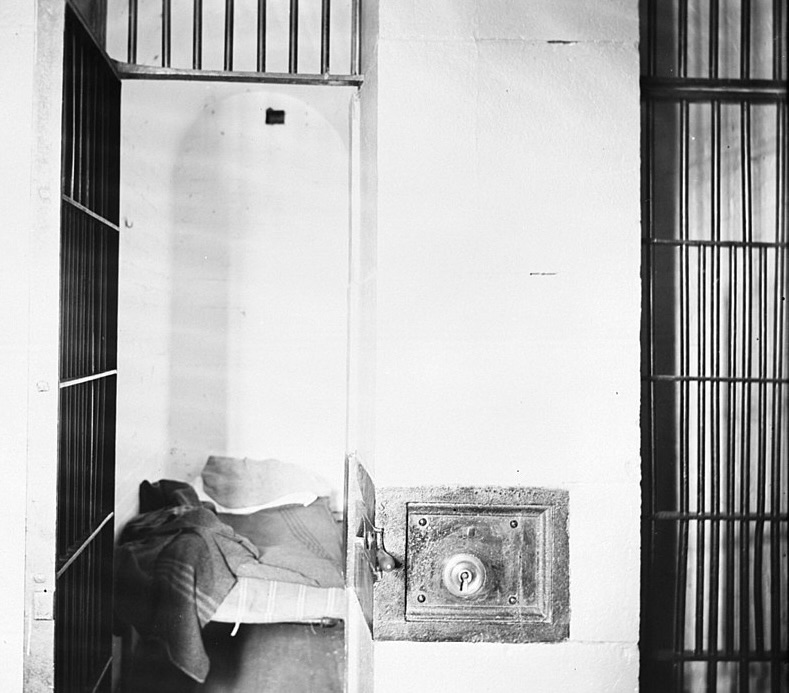
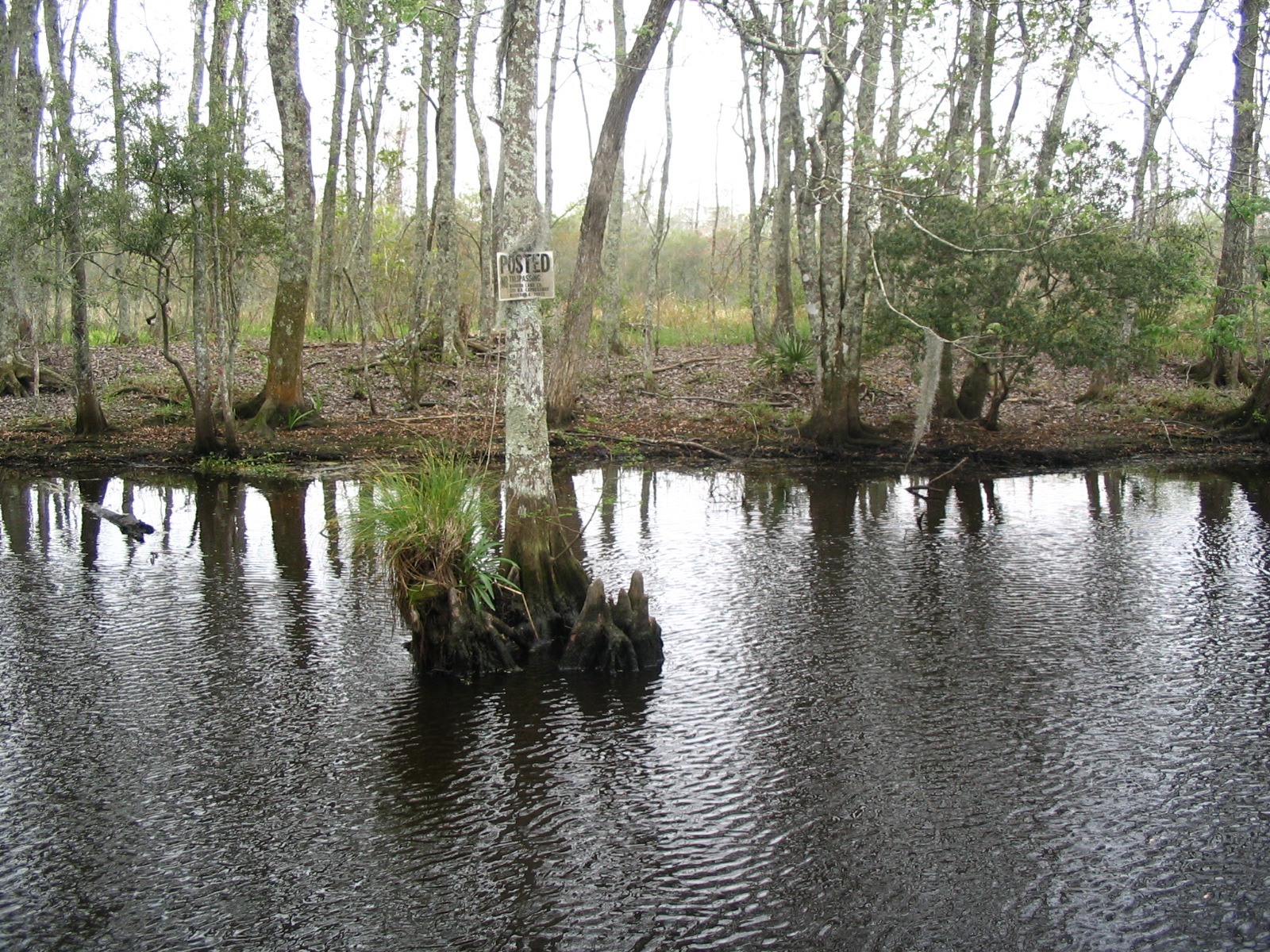


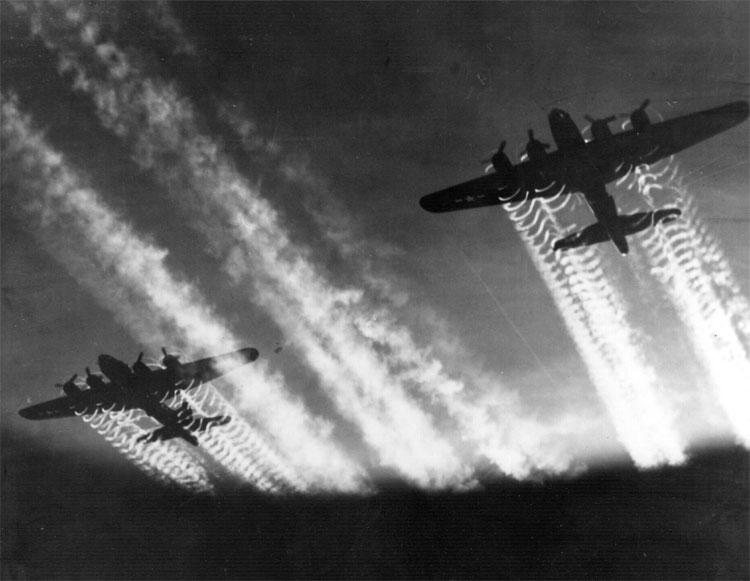



 JONAH magazine