Category Archives: Jonathan B. Ferrini

A Notary Public

A Notary Public

Jonathan B. Ferrini

My grandmother, Mildred, was an independent woman and an entrepreneur.

As Southern California was growing by leaps and bounds in the fifties, Mildred decided to supplement her husband’s salary as a cross country trucker with jobs as a part-time waitress, taking in laundry, sewing, and cleaning houses. In addition to raising three boys, she would provide daycare service to working women who lost their husbands in the war.

Mildred was an astute observer of the economic trends around her and decided to enter of one of the fastest growing segments of the economy, real estate.

Mildred obtained a real estate salesman’s license which was what it was called. She teamed up with a go-getter single woman named Ness who ran her own real estate agency. Ness taught Mildred the business of representing buyers and sellers of homes.

Ness ran a real estate office which included mortgage brokerage, property management, and her own notary public service so as to provide efficiencies in the closing of sales through escrow companies. Ness encouraged Mildred to obtain a Notary Public commission issued by the State of California.

“A notary public is a person authorized by law to administer oaths, certify documents and signatures, and perform other official commercial duties. Notaries are frequently employed to witness and verify signatures on a range of legal documents.”

Mildred would often take me as a young man to and from her notary appointments which provided me the opportunity to meet a variety of persons including home buyers, sellers, attorneys, and bankers. 

Ness retired and sold the real estate office to Mildred who built it into a successful real estate agency with over fifty agents. Mildred sold the business to a national real estate company and retired. She used the generous proceeds to embark on a long-deserved vacation including a trip around the world. She provided trust fund accounts to pay for her children and grandchildren’s college tuition. 

Ferrini/Notary/2

Mildred wasn’t comfortable in retirement and maintained her notary public commission performing these duties until she passed away in her sleep.

The attorney instructed me I was the new owner of “Mildred’s Notary Public Service” as specified within her will. 

I was teaching social studies in a private school. I didn’t have a clue how to run Mildred’s business but I was “burned-out” teaching from a staid old textbook to the children of the privileged living inside posh homes behind gates which created a bubble insulating them from the harsh realities of life. 

Mildred’s attorney suggested I complete a “total immersion” course within the notary public business to determine if I liked it, otherwise, he’d arrange a sale to a competing firm interested in Mildred’s clientele. It might be time for a career change so I agreed.

I met the owner of,

“Stu’s Notary Public Service.

24/7/365, anywhere, anyplace accommodation.”

We met on a Friday afternoon after school at a beat-up 24/7 coffee shop called “Sam’s Stop” conveniently located at the offramp from the Interstate 5 freeway in Los Angeles and a few blocks away from the Los Angeles County Central Jail. 

What I believed would be “total immersion” as a notary public became a graduate school education in life.

Stu was a gruff old man with a crew-cut hair style, fat fingers resembling claws, and a pinky ring depicting the scales of justice.  Stu wore a shirt, tie, and a suit in need of a steam and press. His shirt pocket had a neatly arranged assortment of black, blue, and red pens in addition to a mechanical pencil. 

His briefcase was black and “attorney style” which looked like it had seen “better days”. Just as he was closing it, I caught a glimpse of an embossed “Certificate of Completion” for a notary public course Mildred taught students along with a photo which appeared to be my grandmother as a younger woman presenting the certificate to a young man resembling Stu. 

Everything Stu needed to complete his work was inside that briefcase and ready. It reminded me of a movie assassin opening the case carrying a rifle to be assembled before an assassination.

Mildred’s attorney told me,

“Stu isn’t not the kind of guy who wears his life story on his sleeve.

“If he wants you to know something, he’ll tell you. 

Ferrini/Notary/3

“Although he may present himself as gruff, he’s a professional and a ‘straight-shooter’ you can trust and learn from.”

Stu’s office was his smartphone, notary public stamp, and a notebook where he recorded the signatures with thump prints of those signing official documents. 

Stu’s “rolling office” was a beat-up original hybrid car and booth number thirteen inside the coffee shop where he would hold court talking up the waitresses all hours of the day and knowing each by name. 

He spoke with what appeared to be a New Yorker’s accent which had become less pronounced over the years.

“Hi ya, Stu.

“Whose ya’ handsome friend?

“Looks like a lawya’.”

“Introduce yourself, Max.”

“I’m Max S…”

“First name only, kid.

“He’s a teacher who might be takin’ over his grandmother’s notary public business. 

“I’m gonna’ show him the ropes.”

“Ah, a teacha’. 

“Ain’t that dandy.

“Watch ‘ol Stuey, Maxie. 

“He uses that pen like a sword and notary stamp like a mallet. 

“You’ll learn the business from a guy who wrote the book on bein’ a notary.

“If you get him to open up about his past and wanna’ tell me, you’ll eat here for free anytime you come in, honey.

“Usual combo breakfast, Stuey?”

“Yeah, Letty, and the same for Max.

“Bring a pot of coffee so you’re not comin’ back and forth although I enjoy watchin’ you swingin’ those hips.”

Ferrini/Notary/4

“If you weren’t married to your business, you’d take me on that date you’ve been promisin’ me for years and you might learn ‘a thing or two’ about this ‘smart cookie’, Stuey.”

His cellphone ran incessantly while he was scheduling appointments in between eating and chit chat about the business.

“Mildred was a fine Notary Public but her clientele was ‘uptown’ dealin’ with sellers and buyers of homes with an occasional trust or will.

“I’m gonna’ show you the ‘downtown’ side of the biz. 

“Brace yourself!

“Just watch, keep your mouth shut, and learn.” 

Our first appointment was at the Central Jail.

The lobby was an assemblage of the heartbroken, disenfranchised, desperate, and folks eager to free their loved ones from custody. It was poorly lit, smelled of perspiration and other malodorous fumes including toddlers running about and baby’s crying.

There was a bank of bullet proof teller-style windows including narrow slots where life savings, bail bonds, and documents were exchanged to secure release from jail.

We met an elderly aunt meeting a bail agent whose company was named “Bar Buster Bill Bail Bond Agency.” Bill was a brutish, no nonsense, unempathetic former prize fighter who reveled in hunting down bail jumpers.

Her nephew was riding in a car whose occupants had been arrested for California Penal Code 246 which is shooting into a vehicle. Evidently, it was gang related.  Bail was set at two hundred and fifty thousand for the boy’s release. The fee for the bond was twenty-five thousand dollars which was the customary ten percent fee to the bail agent.

The aunt agreed to have Bill place a lien on her home she owned free and clear paid for by decades of cleaning floors in downtown office buildings. She’d have one year to pay Bill the twenty-five thousand dollars and six percent interest in cash, refinance, or sell the home to remove Bill’s lien.  

Her heartbreak, disappointment, and anxiety of possibly losing her house if the nephew didn’t show up in court as promised were palpable. 

“My deceased sister tried to raise the boy alone but had no man at home.

“When she died, he found a home with a gang.

“I was too busy raising my own family to take in another to my home.

Ferrini/Notary/5

“I’m guilt-ridden and must help the young man in memory of my sister.”

I learned the notary protocol was designed to avoid unnecessary conversation, obtain the aunt’s identification, signature on the trust deed, and Stu’s notary stamp alongside her signature. The job was completed in less than fifteen minutes and we were on our way to the next job.

As we were leaving, newly released inmates scampered from the lobby and into the streets eager to meet friends, family, and relatives or jump into waiting taxis which lined the sidewalk in front of the jail. Many were still wearing their jail identification wristbands.

“Why would a taxi want to pick up a guy just released from jail, Stu?”

“A guy just out of jail isn’t likely to stiff a cabby ‘cause he don’t want to end up back in the pokey.

“Cabbies tell me these are the safest, longest, and most quiet of their rides with business flowin’ out of that jail twenty-four hours a day, every day.”

We drove to a modest convalescent home where we were meeting the grieving family of an elderly woman who was conscious but dying. It was her desire to complete a “last-minute” Will which Stu said,

“Most people put off a Will ‘cause they don’t want to think about death or believe they’ll live forever.

“The ‘Grim Reaper’ is always lurking not far behind all of us.

“It’s better to plan in advance for death with a Will or Trust but I’m happy to provide this essential service as it puts what might be the final smile on the clients face.”

The elderly woman was propped up in her bed and proudly proclaimed she had saved nearly one million dollars cleaning the lavish homes of the wealthy while living frugally after her husband passed decades earlier. 

She boasted her life savings had been safely placed within U.S. Saving’s Bonds and her Will would bequeath the savings to her grandchildren including a medical doctor and pastor.

Our next stop was at a divorce attorney’s office.

“These are the worst jobs, Max. 

“You’ll never see more hatred and vitriol than in a divorce settlement.”

The husband and wife were silent as they both signed the settlement and custody agreement. The attorneys appeared exhausted and happy to be rid of an “ugly case” as Stu called them.

Ferrini/Notary/6

I noticed a sublime regret, disappointment, and uncertainty about the future in the faces of the husband and wife as they would move through life sharing custody of six children.

Stu worked extra-quickly, moving like a trained surgeon, exacting the necessary identifications, signatures, and stamping the settlement agreements. He nearly dragged me by the collar to get out of the office quickly.

“The fireworks and munitions volley often occur after the settlement, Max! 

“It’s better to get the hell out fast or become ‘collateral damage’”

During our drives to these appointments, Stu was answering calls and booking appointments. I concluded each call was an opportunity for Stu to distance himself from the emotional traumas he’d otherwise carry around like “PTSD”.  

We arrived at a hospice resembling a five-star hotel. We were escorted into a beautifully appointed bedroom with an ocean view from the top floor.

Stu’s client was a young woman who likely was approaching thirty years of age but her body was ravaged by a fast-spreading cancer which had eaten her to the bone. She spoke of her career as a prima ballerina travelling the world. 

As Stu was quickly readying his materials so as to make a hasty retreat, I engaged the dying woman in perhaps a final conversation as she was eager to speak of her life.

“I was always chasing the next performance.

“Too busy for romance.

“Dance was my only love.

“I have no family but only the conservatory to whom I’m leaving my estate.

“I want to thank you for speaking to me. 

“I’ve noticed people are uncomfortable around the dying.

“Live each day as if it is your last!”

Her hand could barely hold the pen but she marshaled every ounce of strength left in her tired body to sign the documents.

“Alas, I have become ‘The Dying Swan’”.

The day had passed quickly but the emotional toll on me was burdensome.

“Hang in there, Max.

“Just one more appointment which might pull you out of the doldrums.”

Ferrini/Notary/7

We met at the County Courthouse and proceeded to a judge’s chambers. We were greeted by the judge, social worker, young couple, and two beautiful children who appeared to be “fraternal twins”.

The atmosphere was warm, jovial, and loving. The same sex couple were adopting the brother and sister who would otherwise been separated and were of a different race than the soon to be parents.

The judge completed a customary review of the adoption papers and rooted about his desk for his box of candy treats for the kids to celebrate the occasion. The social worker had attached balloons throughout the office. 

Although we were within the justice system, this experience was a far cry from my first appointment of the day at the jail. The melancholy of the day subsided.

Stu was quick to complete the notary assignment and told me outside the judge’s chambers,

“I always beat a hasty retreat from happy scenes so as to permit the parties to revel in a precious moment of happiness without distraction.”

During our drive back to the coffeeshop where Stu would relax, eat dinner, nap, and complete paperwork, he asked me,

“You gonna’ take over Mildred’s company?”

“No, Stu.

“I’m going to bring my newfound life experiences of today to the classroom with the hope of enlightening my students beyond the textbook.

“Thank you for the opportunity to see another side of life, Stu.”

“I figured as much, Max.

“It’s time for this old notary to spend more time ‘uptown’ and I’ll be in touch with Mildred’s attorney about a fair offer to purchase Mildred’s business, if you approve.”

“Mildred would be delighted, Stu.”

Cracked Windshield

Cracked Windshield

Jonathan B. Ferrini

My windshield resembles a picture screen depicting the future racing towards me.

The crack running down the center suggests two destinies distorted by the on-coming headlights blinding me as to which road I should choose.

 The taillights resemble red sequin bulbs adorning a splintered Christmas tree within a dysfunctional home, and warn against taking the wrong turn. 

The pale-yellow line I follow won’t prevent calamity.

The rubber wiper blades struggle to sway from side to side like exhausted people shredded by the broken glass living long-suffering lives. 

The rearview mirror is small but clear depicting memories fading with each passing mile, ultimately lost forever.

Viewing my future through the windshield is like watching a movie in a drive-in theatre from a lawn chair left by my foster parents using the car like a motel room rented by the hour.

I strike a pot-hole lengthening the crack on the beaten-down windshield too tired to maintain its struggle as protector and disintegrates into shards like a broken life.

I push forward without protection from the wind, dust, and insects outside.

I’ve chosen the wrong exit and come upon the dingy convenience market in a forgotten small town relegated to obscurity by the freeway.

Seated beside me is my passenger known as “Revolver”.

I enter and hear the familiar lyrics, 

“Here comes Santa Claus, here comes Santa Claus, right down Santa Claus Lane.” 

The immigrant proprietors are a father, mother, and youngster celebrating Christmas in America dutifully staying open as a gift of convenience to neighbors in their adopted new home.

“Merry Christmas, Sir”

Ferrini/Windshield/2

I retreat to the frig of colored drinks reminding me of our empty refrigerator and twisted string of burnt-out tree lights back home.

I detest the image of myself in the security mirror above the doorway portraying a desperate man driven to robbery to provide food and gifts to his needy family.

The mirror reveals the approach of a disheveled, frightening, and determined skeleton of a man.  His body odor is palpable as he passes. His oversize jacket conceals a shotgun.

As fortunate children are unwrapping their gifts, giggling, and laughing, I’m witness to the unwrapping of a weapon of death followed by screams, crying, and begging.

He’s taken them into the storeroom and I fear the worst.

“Open your present” echoing throughout town has become:

 “Open the damn safe or I’ll blow you all away!” 

I’m confronted by my “Ghost of Christmas Past”. Santa came to our house dressed as a homicide detective and my Christmas dinner was served within a juvenile custodial center.

This never fading memory in my rear-view mirror wasn’t gift wrapped but the card carried a message to prevent a redux of my “Christmas Past” for this family. 

I placed “Revolver” to the back of the thief’s head who dropped the rifle. He fell to his knees pleading like I begged dad not to pull the trigger on mom.

“Please don’t kill me. I needed money for a fix!”

His “fix” was a precious Christmas gift of mercy from his victims.

“Let him go. It’s Christmas.”

He grabbed a pack of cigarettes and bottle of whiskey as he ran away.

To escape a bad dream, it’s best to get out of bed, and I headed for the door to end my nightmare. Before leaving, I hear,

“Stop!”

They likely triggered the alarm. It was ironic I failed to steal a day of celebration for my family but would end up in jail for concealing a weapon without a permit.

The family scurried about the store filling a shopping cart with the makings of a convenience market version of Christmas dinner and gifts.

I was pelted by the cold, dust, and insects but kept an eye on the rearview mirror providing me a memory of kindness, never fading with each mile passed or lost forever.

I followed the pale-yellow line home carefully while humming,

“Peace on earth will come to all if we just follow the light
So let’s give thanks to the Lord above, ’cause Santa Claus comes tonight.”

Boadyland

Boadyland

Jonathan B. Ferrini

The squeaky metal fan churns white noise burying me alive in a deep REM sleep suddenly shattered by a car alarm. 

I slide out of a sheet wet from perspiration and into a wrinkled wash and wear suit, out the door holding a Styrofoam cup of instant coffee tasting like battery acid.

There’s no need to join the Foreign Legion, travel the world, hang out in Paris coffee houses or drop LSD when your mind serves up a dream loaded with the ingredients of a murky, subconscious stew, rich with flavor resulting in the next story.

Consider the RSVP carefully when opening the invitation from your subconscious mind to follow it down the rabbit hole because you may be surprised what you find. 

Caution.

 Watch the highway!

Muggy morning summer air, a prelude to a monotonous job I crawl towards in heavy traffic.

Seeking distraction from the radio dial but find only missiles of rage fired at me from morning talk radio generals.

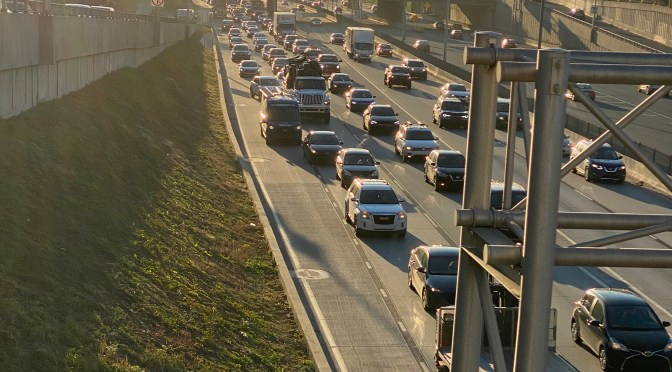
Damn, another soldier advancing towards his own war cuts me off, forcing me down an offramp named Boadyland dropping me into a neighborhood resembling purgatory.

I stop on a chewed-up street of people and dreams.

Dilapidated homes occupied by people without hope. 

Unhappy, maybe alone, and desperate for their dope.

A delicate hand waives me into a cozy house fronting a street smelling of mace, meth, and death under the concrete overpass nobody but the disenfranchised know.

I meet a beautiful single mom planning a party for her baby girl.

“What can I contribute?”

“Whatever you choose, sweetie.”

“I’ll write her a birthday poem.”

I write and the tears flow witnessing mom’s resolve to make a gift out of nothing except people filling the street, their clothes resembling festive wrapping paper, showing up to celebrate a child’s life.

Everyone chilling and catching a breath before they hit the next curve ball thrown at them.

The ethnic potpourri creating culinary delights provides an abundance of light warming the celebration like a huge candle atop a cake made for a princess.

Cops cruising by, pointing their spotlights, scoping out the delight, but only meeting a paper plate of savory treasures. They’re appreciative and confess,

“Our badges have become too heavy to wear!”

“What about winter?”

“Ah, it’s hell, man.”

“Don’t listen to that dude, baby.

It’s the same peeps, eats, just turning the metal barrel barbecues into sidewalk space heaters, and icey cold drinks become soul warming liquor laced liquid treats. 

Same vibe wearing heavy clothing.”

I was dancing, eating, and loving inside a far out, freaky fraction of urban blight.

The bass tone to the jam was the incessant din of cars racing along the superhighway above us like subatomic particles blasted through a particle accelerator designed to crash into each other revealing the God Particle.

Sweet baby mama draws me near and whispers,

“That elusive particle is ethereal and found inside every human heart.”

I shout upwards towards the overpass,

“Crawl out of the Petri dish, stand firmly on both legs, and head over to the party at Boadyland!

I heard Galileo, Hawking, and Feynman might show.”

image by Harry Rajchgot

The Flower Lady

The Flower Lady

Jonathan B. Ferrini

“The Flores Family Flower Shop” was founded by my grandfather at a road side stand and grew to become a fifty-year-old favorite within San Diego.

I drive the truck to the wholesale flower market at 4:30 in the morning six days per week, purchase the flowers for the day, and unload them at the store. I also do the flower deliveries.

My pop handles the office, my mom and sister are expert flower arrangers, and we all work the phone orders and the counter. 

The “cycle of life” is inherent within the florist business; birth, birthdays, graduations, marriages, sickness, and death. We do our best to provide cheer or empathy to our clients depending upon the circumstances.

We are “first responders” to the savagery of Covid, working tirelessly to accommodate the multitude of funeral arrangements required. 

Covid didn’t “discriminate” when choosing victims. So was the case of “June”, a “soccer mom” whose thriving home-based bookkeeping service failed due to the many restaurant and bar clients shuttered by regulatory closures. The loss of a second source of income, the distractions associated with the children seeking assistance with their home-based on-line school instruction, a husband working overtime at work and with his mistress, placed pressures upon an already crumbling marriage. 

June could no longer afford the stress relieving personal athletic trainer and yoga instruction, and sought stress relief from drinking wine. The increasing wine consumption ceased relieving the stress, and June turned to Oxy found within the medicine cabinet. When the Oxy ran out, she sought sedatives from her physicians based upon fabricated ailments. When the pharmacies and physicians caught wind of the medical charade, June was cut off from her daily “fix”.

The substance abuse interfered with June’s responsibilities as a mom resulting in her husband divorcing June, taking the home and custody of their pre-teen son and daughter. The judge ruled June to be an “unfit mother”.

June found herself homeless with her sole possessions being her minivan and clothes. Her friends and family weren’t keen on helping a “substance abuser” and abandoned her.

June took to living in an inexpensive motel room, subsisting on unemployment insurance until it was exhausted and she was forced to live in her minivan. The stress of living in a car, seeking different places to park each evening, often told to leave by security or police, led to the need for heavier sedation which she found in heroin. June looked into her rear-view mirror and saw a prematurely aging junkie staring back at her.

Seeking a quick nap on a comfortable couch inside an art museum, June marvelled at the beautiful flowers painted by Van Gogh. She dreamed of running free and happy through a field of sunflowers. She was awoken by the security guard and ejected but developed an idea. 

Word spread throughout town. A “Flower Lady” was wandering about giving out flowers to strangers in hopes of a handout. We suspected the source of her flowers were the waste bins behind flower shops. 

As I returned one morning from the wholesale flower mart, I saw a beat-up minivan with a person sleeping inside. I flashed my lights at the car, awakening what appeared to be a female occupant, who sped away.

I opened the trash bin, and noticed all of the discarded slightly fresh flowers had been picked through, necessitating a lock. 

Pop said, “Let ‘em have them. Better giving pleasure to somebody than landing at the dump.”

Every morning, over the course of a week, the trash dumpster was picked through. I parked the truck down the block, and hid to find the woman with the minivan carefully assembling bouquets of discarded flowers. She was quick and demonstrated a skill at arranging beautiful sets of flowers. I let her finish and leave, before bringing the delivery truck around. 

I told Pop who suggested we set a “trap” by leaving a fast-food breakfast, coffee, orange juice, and a dozen roses with an invitation to come inside and meet pop. 

June “took the bait”. She entered the store carefully as if fearing arrest. Pop greeted her and invited her inside his office to sit, handing her a cup of coffee she grasped and savored. 

Pop had an instinct about people. I think it was June’s eyes which won him over. Her eyes were dark orbits with tired red pupils, teary, frightened, craving love and understanding. They spoke to Pop’s emotions.

June was about 5’2’’ inches tall, emaciated, with long, stringy, dirty blond hair becoming gray.  The substance abuse and stress of living in a minivan made a woman in her mid-thirties look to be in her late forties.

Ferrini/Flower/3

June’s clothing and shoes were thrift store cast offs. There was a faint scent of urine about her suggesting the lack of a shower and toilet facilities for days. The lines and wrinkles in her face resembled deep, raging rivers leading to her soul, eventually drowning her, alone in an alley, with the only mourners being garbage cans.  

“Don’t be afraid, ma’am. What’s your name?”

“June. I’m sorry for taking your flowers. I won’t return. Please don’t call the police!”

“My name is Hernan, June, and I won’t call the police. I want to help you.”

After hearing June’s circumstances, Pop recanted,

“When I came to San Diego, I was broke and lived inside my beat-up station wagon parked next to my roadside flower stand. I understand hard times, June. I need extra help today. We’re slammed with customers, as it’s prom season. I’ll pay you $100 cash. We close at 7:00.”

June cleaned up in the bathroom and we provided her a clean shirt and florist apron to cover her disheveled clothing. She immediately went to work at the counter and taking phone orders.

June related to the emotional suffering of a teenage girl without a date requiring a corsage to the prom,

“This corsage is beautiful, darling. I’m certain you’ll attract many gentlemen to dance with you.”

June was empathetic with a young man selecting flowers for a first date,

“What’s your budget, Sir?”

“I was hoping to spend under $10.”

“I suggest a single rose. It will include a beautiful fern, lovely wrapping, and I’ll tie a ribbon around it for $5.00. She’ll love it!”

June began to sob, and retreated to the restroom. My mother knocked on the door and asked to be let in to console her.

“Why are your crying, June? You’re doing a wonderful job!”

“The teenage girl and young man are the age of my children taken from me. I haven’t seen them in months and may never will!”

“June, honey, there’s a nightly non-denominational substance abuse meeting run by a female pastor named “Sunny Dominguez”. Many of my son’s friends have benefited from these meetings. Between your hard work here, and your meetings, we’ll have a lawyer convince the judge to grant you visitation rights.

“You’re about the same size of my daughter. The three of us we’ll go through her closet and I’m certain Lupe will be pleased to have you pick out and keep any clothing she no longer wears.

“Sunday dinner is a big deal around our house. Please consider yourself a permanent guest.”

Mom held June tightly until she could resume work.

June had a glow on her face, bolstered by pride in a good day’s work, $100 bill, and a new found confidence in seeing her children. 

Pop offered June a full-time job, and use of a cot in the store room where she could live until she got back on her feet. 

In the ensuing weeks, June was always pleasant, upbeat, and hard working. The work around the store, combined with the opportunity to meet similarly situated people of all ages at the sobriety meetings, brought June happiness and sobriety.

June mastered all facets of the business including the register, taking phone orders, creating flower designs, and even making deliveries and pick ups when I wasn’t available. Customers would call and ask for June by name.

About three months into the job, June was excited to report she had been granted a visitation hearing and hoped her regular substance abuse meetings and Pop’s testimony would win visitation rights with her children.

Pop attended the visitation hearing, sadly reporting the judge denied visitation rights citing “unproven sobriety”. 

June never returned to work. 

We hadn’t seen June for months until I arrived one morning and saw her minivan. She was slumped across the steering wheel, a hypodermic needle within her arm, and an envelope marked for Pop. Alongside her body were opened photo albums showing her family; likely her last moments together with those she loved.

Pop opened the envelope, and found a cashier’s check payable to a funeral home for a cremation and scattering of ashes at sea. There was a second cashier’s check made payable to our flower shop, requesting the creation of a simple spray of tropical flowers.

Mom and my sister immediately went to work on the funeral “spray”. We charged no fee for the “spray” choosing instead to donate the check to Sunny’s substance abuse center. The funeral home provided a 50% discount and donated the remainder to the same cause.

It was sunset when the boat sailed around Point Loma and into the Pacific Ocean. All of our family was aboard. June’s family chose not to attend.

Sunny Dominguez eulogized, 

“The world is full of fragile souls with loving hearts who become lost on their journey through life. When faced with adversity, and despite valiant efforts to recover, they succumb. June was one such soul.

She was fortunate to have met your family and receive your love and compassion. She will always be a member of your family, and you’ll find solace in the belief you were chosen to help June.”

June’s ashes were placed inside a water proof floating container along with her photo albums. The beautiful tropical spray was attached to the container and placed into the ocean by Pop. 

We watched June’s “vessel” quickly carried by the ocean current west towards tropical paradise as the sun set into the ocean. 

We shouted,

“Bon Voyage, Flower Lady.” 

“We love you!”

END

photo by Harry Rajchgot

Rideshare

Rideshare

Jonathan B. Ferrini

It was a hot summer, and I was “sweating” my physics final exam. I was required to take physics for a second time during summer school after failing the course during the Spring Quarter of my sophomore year in college. I was also “sweating” the grueling, twelve hour days, I was working as a rideshare driver.

My family lived in a large, luxurious home, in an affluent part of town. My parents were both successful professionals. Although I wanted to become a software engineer and design new Apps, I spent most of my time playing video games, drinking with my friends, and slacking. I attended a rigorous STEM university, and the students were very competitive. The coursework was tough and required intense study. Nobody reached out to one another to share notes, or help explain difficult subject matter. Our access to the professors was limited, and we waited in line to approach overworked graduate students, serving as teaching assistants, who had limited time, and patience for our questions. 

Distraught because I flunked physics and wasn’t devoting the necessary time to my studies, my parents meted out “tough love” to me; they kicked me out of the house for the summer with no money, and told me “to make it on my own.” They explained the experience would be “good for me” and motivate me to take my “studies seriously.” 

I found a friend’s couch to sleep on for the summer. I needed spending money, fast, and signed up for a ride share job using my hybrid car which was ideal because it had great gas mileage. Being a ride share driver had its advantages because I could “cash out” my earnings daily which were immediately deposited into my checking account without tax withholding. I drove twelve hour days, earning about $200, less gas money. After twelve hours of driving in heavy traffic, I returned home, hungry and exhausted. After a few hours of physics study, I’d fall asleep after eating a frozen dinner.

The job took me all over town, and into parts of town I didn’t know; mostly lower income. I’d often race through these “bad” neighborhoods, running red lights, to avoid potential car jackers, and fearful of the menacing appearing homeless who roamed these streets. It was tiring work but I met interesting people, beautiful girls, and felt a satisfaction from a hard day’s work. 

My rideshare app would alert me to a pick up at a downtown, budget motel, which always resulted in a scary ride. The passengers were usually frantic after being evicted, intoxicated or mentally ill. I accepted the rides because I needed the money, and all rides have the potential of becoming long and lucrative.

I arrived at the motel where an elderly, grey haired, black man, was tending to an elderly, frail, silver haired, caucasian woman in a wheel chair. As I approached, he was eager to see me, waived, and approached the vehicle. He told me they were only going a “few blocks”, and apologized for the “short ride.” It was a hot day, and I gave them my last bottle of water because they were perspiring, and I feared they were suffering from heat stroke. They were thirsty and grateful for the water. I noticed the elderly woman’s hands were grotesquely twisted, and she had difficulty holding the water bottle with both hands. The black man gently held the bottle to her mouth, allowing her to sip the water.

I opened up the trunk. The man carefully lifted the elderly woman from the wheel chair, and buckled her into the rear seat with tenderness and care, suggesting a relationship similar to a mother and son. He folded the wheel chair and placed it in my trunk. This man was large and imposing but exhibited chivalry, kindness, and love for the crippled old woman. 

He thanked me for “picking him up” which suggested he may have been the victim of rideshare discrimination by frightened or insensitive drivers. 

He remarked “I’m sweating worse than an Arkansas mule.” 

I had never heard that expression before, asking, “Where did that saying come from?” 

“My pop was a sharecropper in Mississippi and used it and other sayings often.” 

He was perspiring and distraught about his cell phone battery dying. I plugged his cell phone into my recharger cord, cranked up the air conditioning which calmed him down, and he thanked me. We immediately liked each other. 

He introduced himself as “Rollo”, short for “Rollin’ On”. He described himself as a “rolling stone”, never spending too much time in one place. He introduced the old woman as “Beatrice”. I introduced myself as Zack. 

Rollo was an imposing figure but a “gentle giant”. He was about 6’2”, 220+, and his body looked beaten down from a long life of grueling work. His face also showed the many years of a difficult life. He was maybe seventy. The elderly woman looked to be pushing eighty.

“What’s your story, Rollo?” 

“I grew up in rural Mississippi and I was a troublemaker raised by a single mom. We got by on food stamps and a vegetable garden. Despite our frugalness, the food stamps would run out by the third week of the month. Mama was a great cook and could make a nutritious meal from very little foodstuffs. After the food stamps for the month ran out, I wanted to surprise her with a good cut of meat. I got caught stealing a chuck steak from the market, and the judge gave me a choice of spending a year in county jail or joining the Army. I chose the Army which provided me discipline, a work ethic, self-respect, and “straightened” me out. I was happy to send most of my Army pay home to Mama. I did one tour in Vietnam and was honorably discharged in 1972. I was spat on when arriving home at the airport up north by war protestors, and caught the first bus home, back to my poverty-stricken town in Mississippi. Life was slow, no work, so I took to the bottle, and fell in with the wrong crowd. Mama was having difficulty walking and complaining of numbness in her feet. White doctors wouldn’t treat black folk so I took mama to the only 

Black doctor in town. He diagnosed Mama with Type 2 diabetes. He couldn’t treat her and urged me to take her for treatment to the nearest town with a university medical school hospital. Despite her Medicare benefits, the treatment was too costly for mama to pay. I took to stealing to pay mama’s medical bills. I stole anything I could pawn or fence for immediate cash. When she asked me where the money was coming from, I said I was sharecropping by day, and working as a night watchman. 

“I was eventually arrested, convicted, and I spent two years on a chain gang. Mama’s condition continued to worsen while I was on the chain gang but she managed to survive until I was released.

“After serving my sentence, and with the help of a veteran’s organization, I found work as a truck driver trainee, offering full training; decent pay which enabled me to pay all of mama’s bills, and the job had good benefits, including medical insurance for Mama. I moved to Phoenix where the trucking company was headquartered. Man, I loved driving. I drove the entire country and Canada, digging the freedom, and independence of working for myself. North America is one of the most beautiful places on earth, Zack. I’d call Mama every week from a different state or province, and mail her a souvenir. She was proud of me which gave me the self respect I sorely needed. Over the years, I developed lower back pain from hours of driving, and was prescribed opiate-based medicines which hooked me. I drank booze along with the opiates. The booze and opiates created a wonderful high and removed the back pain but I became addicted. 

“When I returned the rig to Phoenix after a thirty day run, I failed my drug test, got fired on the spot, lost my commercial driving license, and ended up on the streets as a homeless man in hot as hell Phoenix. I survived on unemployment benefits for six months, and then turned to welfare. I took on odd jobs, when and if I could find them. I didn’t have the heart to tell Mama I was fired, and was too ashamed to call Mama or return home to Mississippi. I became a drug addict. Within a year, the trucking company forwarded me a faded, official letter from the Mississippi Coroner’s office informing me that Mama died ,and was cremated because no next of kin could be located. I suffered, Zack. The guilt of abandoning Mama was so intense; it could only be quelled with heroin, booze, and meth.” 

Beatrice couldn’t talk, except to mumble. Rollo reached over to wipe the spittle dripping from the side of her mouth. She was petite, and held tightly on to the arms of her car seat as if she was holding on to life. 

Rollo explained, “Beatrice was evicted from a hospice where she was expected to die from liver cancer. Her Social Security disability benefits weren’t enough to cover the expenses even in a poor quality hospice. Beatrice has no family. She is going to die on the streets, alone, without me. Until her time comes, I’m determined to make her life as comfortable as I can. We’re like family, Zack.” 

“Where did Beatrice come from?” 

“I met her at the Salvation Army, sitting alone in the corner of the cafeteria, having difficulty feeding herself with her shaking, twisted hands. I sat next to her and fed her. We’ve been together ever since.” 

“How did she end up at the Salvation Army, Rollo?” 

“Back in the eighties, politicians closed all the mental institutions and released helpless psychiatric patients, who had spent their entire lives under the care and supervision of mental health professionals, into the streets. Beatrice had been placed in a mental hospital for developmentally disabled children as a baby. She never learned to speak nor walk, but could hear, and understand most of what was said. She has cerebral palsy which crippled her hands. She never knew life outside of the state hospital. When they closed the hospital, she met briefly with an overworked social worker who couldn’t understand her, handing her a list of privately owned, overcrowded, board and care facilities, and a pharmacy where she could get her medications filled. It was like casting a newborn to the wolves. Most of her life has included short term stays in emergency rooms, prison cells, or sleeping on the sidewalk. 

“I’ve never let go of the guilt associated with not being by Mama’s side when she died. Beatrice reminded me of my mother. I was drawn to looking after her because it dampened the guilt raging within me. You like this ride share driving gig, Zack?” 

“No, I hate it.” 

“Why the hell do it then?” 

“Because my parents kicked me out of the house for the summer for failing physics and I need money.” 

“They kicked you out of the house for flunking a course?” 

“You have to understand, my parents are over-achievers. Dad’s a neurologist and a clinical professor of neurology at the medical school, and mom’s manages a Wall Street investment fund. They think by kicking me out of the house, and forcing me to “make it on my own for the summer”, they’d “toughen me up”, and I’d take my college coursework more seriously.” 

“Well son, I can tell you stories about tough love.” 

Rollo pulled his shirt up over his head revealing scars on his back. 

“The scars on my back are from whippings my drunken father gave me trying to straighten me out. I begged mama not to intervene because he would turn the whip on her. He eventually split, leaving me and mom to fend for ourselves, never returning. “I’ll take “tough love”, rather than no love, anytime, son. Your parents are showing’ you how hard life can be. Me and Beatrice are perfect examples. It was fate that led you to pick us up. Maybe we’ll teach you about life?” 

Beatrice tapped Rollo on the shoulder with her disfigured hand as if in agreement.

“I don’t even know what physics looks like, but I flunked life, Zack. I wish I could get those years back because I’d accept all the “tough love” my parents could give me, if it would provide me with a future like the one you’ll enjoy. You just treat this summer job as a brief stay in hell, drive the long hours, and remember the faces of the many homeless you’ll see. Take each day at a time, put one foot in front of the other, and hope for the best. If the wisdom you learn passes through one ear and out the other, or remains embedded in your memory, is up to you. When you go back to school, attack your subjects like your life depends upon your passing each course. Any time you find yourself backsliding, remember me and Beatrice. We won’t forget you.”

I drove them a few blocks to skid row where he asked me to drop them. Rollo unloaded the wheel chair from the trunk, and carefully helped Beatrice into the chair. I felt guilty leaving them on a busy, hot street corner, amidst despair. Rollo thanked me for the ride, shook my hand, offering me the following advice, “Zack, you make your own luck in life. You have all the tools necessary for success. Don’t squander them. Seize every opportunity. Failure is your friend because it will eventually lead you to success. Nothing can stop you, brother.” 

Beatrice nodded her head in agreement. She pointed to a faded, green, plastic, shamrock amulet, attached to a tattered string around her neck she must have worn for decades. Beatrice motioned Rollo to remove it from her neck and give it to me. The shamrock had the date of her birth inscribed upon it and must have been a present from jubilant new parents to their baby girl. The faded green paint, and lack of a chain, was like a metaphor for parents who gave up when they discovered their new born was disabled for life. I pondered the pain or relief they must have felt leaving their baby at a state hospital, never to see her again. 

I was saddened watching Rollo carefully wheel Beatrice down the sidewalk to a rescue mission. I hung the faded shamrock from my rear view mirror as a reminder of my new friends. 

As the remaining weeks of summer ground along, I treated my rideshare job like a sociology class. I purposely sought out rides in the downtrodden parts of town, and was pleased to pick up riders who I would have previously shunned for their appearance, mental condition, or economic standing. I was eager to learn who they were, what they thought, and how they came to be? I always learned something new about life and humanity from these sages of the streets. 

It wasn’t until I began receiving voice mail and text messages from my parents demanding I meet with them and “discuss the lessons I learned from my summer job” that I realized the summer had ended, and the fall term was soon to commence. I dreaded the specter of having to explain to my parents “what I had learned” from my summer of driving. They wouldn’t understand, and it wouldn’t be what they wanted to hear.

I was the first student to complete the physics final, racing through it as if it was an elementary school math test. I received an “A”. 

The summer of rideshare driving changed me. I didn’t want to return to the comfort of my home and plush bedroom, full of distractions, and light years from the reality of the streets I witnessed. I was independent now. I sought out minimalist accommodations within walking distance to campus, hoping it would keep me grounded in reality, and permit me to focus on my studies. I was fortunate to find a small apartment above a liquor store a few blocks from campus. The proprietor was the owner of the liquor store, giving me a bargain rent because I was a “responsible college student”, and would watch over the liquor store during closing hours. Although the apartment was a single room, dingy flat, with an old refrigerator, Murphy bed, and small stove, it was mine. I was beholden to nobody’s rules but my own.

I made contact with my parents by text message, with a lyric from a tune from my playlist. I chose Bob Dylan’s album, “Highway 61 Revisited”, hoping the lyrics would convey to them what I had learned over my summer of “tough love”, 

“When ya ain’t got nothin’, you got nothin’ to lose” 

At night, I lay in the Murphy bed, and thought of Rollo and Beatrice, alone in the world, roaming from soup kitchen to homeless shelters. Rollo and Beatrice profoundly changed my life from that of a slacker to a motivated student because I saw the pain or affluence life can mete out. When the college term began, I attacked my studies with a new resolve. I couldn’t relate to my former classmates. I was a changed person. I fondly recalled the loving assistance Rollo extended to Beatrice and, whenever I encountered a student struggling with the coursework, I volunteered to help them. 

I approached the university and volunteered to become a tutor in those courses I now was mastering. My offer was gladly accepted by the university, and, as students began attending my tutoring sessions, additional gifted students volunteered as tutors. I’m happy to say, I changed the reputation of my college major from a competitive, “lone wolf” major, to a collegial, “help thy neighbor” major. My efforts were not lost on the Dean of Students who promised to write me a letter of recommendation upon my graduation, and encouraged me to attend graduate school at our university. 

My father and mother were very proud of my academic success. My father invited me to the Faculty Club to show off his over-achieving son. After lunch, we headed back to his laboratory where some medical students were dissecting, and studying the central nervous system of a cadaver. To my dismay, it was Beatrice lying on the stainless steel autopsy table. The autopsy technician approached saying, “She was brought into the ER yesterday by a large Black man. She was diagnosed as having terminal liver failure. She died in the ER. The man wasn’t a relative but produced a legal document showing he was conservator for the woman, and he produced a notarized Last Will and Testament, including a “Statement of Donation” of the woman’s body to our medical school.” 

A medical student spoke up while dissecting Beatrice, “We lucked out with this cadaver because it gives us the opportunity to study her liver disease, palsy, and developmental disability. We might find a link!” I was tempted to reply, “Her name is Beatrice and treat her with dignity!” 

I approached the autopsy table and stroked Beatrice’s fine silver hair. She was a small, frail woman, and terribly thin from years of starvation. I stared at her mouth closely, and could make out a glimmer of a smile. I was surprised to find that both of her hands were free from the contortions of cerebral palsy. Her fingers were straight, long, thin, elegant, and resembled those of a pianist. 

I asked the autopsy tech, “I’ve seen this homeless woman around town and know that her hands were severely contorted by cerebral palsy. Why are they straight?” 

My father overheard my question and answered, “I’ve seen this before, Zack. For some misfortunate people, the gift of life carries with it a price in the form of unfair burdens they must carry throughout their lives. For this woman, it was cerebral palsy of her hands and developmental disabilities. Over the course of my career, I’ve seen death provide a “repayment” of sorts for their burdens, and for this poor woman, it was the reward of beautiful hands.”

I suspected Beatrice was happy to leave this world, and I’m certain she was delighted to donate her body for the furtherance of medical science. I excused myself, entered the men’s room, closed the stall door, and wept. I was happy Beatrice found peace and beautiful hands in death, but wondered about Rollo’s fate, recalling the lyrics to the Dylan song, 

“How does it feel? How does it feel? To be on your own With no direction home A complete unknown 

Like a rolling stone?” 

I knew he missed Beatrice and his Mama. I also know he would take delight to see the gift of beautiful hands death provided Beatrice. I washed and dried my face while looking in the mirror, and recited Rollo’s advice, “I’ll take “tough love”, rather than no love, anytime.”