Kale Salad
Thom Young
she loved punk rock
and putting
cigarettes
out
on her arm
when she
was drunk or bored
which
usually was on Tuesdays
in her flat
making
a kale salad
for uninvited
guests.

Kale Salad
Thom Young
she loved punk rock
and putting
cigarettes
out
on her arm
when she
was drunk or bored
which
usually was on Tuesdays
in her flat
making
a kale salad
for uninvited
guests.
 Between Detroit and Chi-town
Barbara Ruth
Dear Bob,
Happy birthday, son. I’m sure this email comes as a surprise.
I can’t really tell you much about where I am now Is it heaven? Hell? ‘m still trying to decide. I pay attention to the lives of my loved ones on earth, so when you’re happy, I’m in heaven.
I know you’ve been wondering about that story, my claim to fame. Why did Barb know about it and not you? How come you hadn’t heard that story every time a new person walked in the door who I could convince to sit down and listen? Why didn’t your mother mention it?
Barb only knows about it because she woke up when the phone rang. And that nosy girl stayed up to find out where I was going in the middle of the night.
Here’s the whole story: Ron the bartender called me around 10:00 at night. As you remember, Constantine was a very small town. Of course the bartender in the main bar on Main Street and the school’s only band director knew each other. We were the only Kells listed in the phone book. I knew if he called that late it was going to be important.
“Kell, you’ve got to come over.” My first thought was some former student of mine had gotten himself too drunk to drive home and Ron couldn’t think of anyone else to call. I was figuring out some response to that when Ron continued,
“There’s someone here you’ve got to meet. Come as soon as you can. If you don’t, you’re going to kick yourself for the rest of your life. And bring your horn.”
I told your mother what Ron had said to me. “Are you going out, at this hour? You have school tomorrow.”
The only excuse I had was my curiosity. “You don’t want me kicking myself the rest of my life,” I told her. “It’ll make it awfully hard for you to sleep in the same bed with me.”
She sighed and went back to her book in what I decided was a friendly way. “I’ll try not to make any noise coming or going, even though Barb won’t be asleep yet.”
“She’s a night owl, like her father. She’ll probably try to convince you to take her along.”
“And then Bobby will have to come. I think I’d better leave before I’m taking my whole family into a bar at 10:30 at night. Although that would keep the faculty lounge buzzing.”
“Good night, Dick.”
Sure enough Barb was still awake, standing in the hall in her polka dot pajamas. “What time is it? Who called so late?” Nine years old and she had her mother’s inflections down pat.
“Everything’s fine. Don’t talk so loud, you’ll wake your brother. You should be sleeping too.” She was in her foot-stomping, eye-rolling phase then. She stayed in that one quite a while, so you might be able to picture her dramatic return to her bedroom.
This was when we lived on Canaris Street, not so far from Ron’s Bar. I figured if I was going I might as well take my clarinet, as requested. When I parked the car I looked at it and hesitated. “What the hell?” I tucked the case under my arm and made my way into the bar.
Ron saw me right away. “Kell!” he shouted. “Over here.” He waved me over to one of the few booths and joined me there. Three Black men in expensive overcoats looked up from their drinks. “This is the guy I was telling you about,” Ron continued, turning to them. “Dick Kell, our local band director.” He looked back at me. “Didn’t you used to play in a band?”
I hadn’t even ordered a drink yet but I felt like I’d knocked back half a dozen. Louis Armstrong sitting in a booth in a bar in Constantine Michigan! I didn’t know who the other two gentlemen were, but there was no mistaking THAT face.
Turns out they were his driver and a guy who played trombone. I was embarrassed I didn’t recognize the trombonist’s name. “My guys – band and road crew – we’re traveling in three cars,” Satchmo said. “The others went on ahead, but the three of us decided to rest a spell. We figured if the whole crew stopped in here it might be too much of a good thing.” We all laughed.
I admit I was no stranger to Ron’s establishment. And I had never seen one of the local Black guys in the bar. “You’re probably right,” I said. “There’s a limit to how much jazz Constantine can take on a weeknight.”
All three of them looked beat. Their laughter was filled with fatigue. Maybe they liked my joke, but I think they were just being polite. They were nice enough to ask me about my music, so I told Louis Armstrong I played a little swing in college, no big deal.
“I know the barkeep told you to bring your horn. Let’s see what you got,” Satchmo said. Before I could answer he continued, “My baby’s right here beside me.” He lifted a cornet case, beat up worse than the one you had. I guess his had seen a lot more miles. From it he lifted a beautiful horn, a Selmer-Challenger cornet. “Go ‘head. You can hold it.” He reached it out to me and I took Louis Armstrong’s cornet in my hands, thinking back to my swing band days, being on the road, admiring some other cat’s horn.
Ron brought me a much needed drink and I took out my clarinet and we played a little, right there in the bar. Ron kept saying “Look! That’s Louis Armstrong! That’s Dick Kell playing with Louis Armstrong.”
The odd thing was, none of the customers seemed all that impressed. They glanced at us, then looked back in their shot glasses for the answers to the questions of their lives.
We played “Ain’t Misbehavin’” and “String Of Pearls”. He let me pick the songs and we started in unison, then he harmonized, then improvized while I plugged on.
I tried a few adventurous turns and he took the melodic line, nodding encouragement. I was nervous he’d start scat singing and I’d forget what key we were in, but he didn’t and I didn’t either.
They’d played a club the night before in Detroit and had a recording date the next day in Chicago. “I love Chi-town,” Satchmo said. “Best ribs outside of N’awlins.”
Those guys were so polite. I think they would have closed the bar with me and Ron probably would have kicked out the other patrons and let us stay all night. But I felt sorry for the three of them, making chit chat with a high school band director in a one traffic light town, when all they wanted was to get some rest. There was no hotel in Constantine, at least not in 1955. I worried they’d ask me about a decent place they could stay the night, where there’d be no trouble. But they probably realized I wouldn’t know the answer to that question.
I told them the wife was probably waiting up for me.
Satchmo rolled those eyes of his. “Oh man, I know how that is. You best be getting on home.”
When I tiptoed into the house, Barb came running to the door. “What happened?” she asked, her own eyes wide.
“I just played with Louis Armstrong.”
“You did not. You just stayed out late on a school night and you’re trying to get away with it.”
I didn’t know whether to laugh or shake her. “I’m the parent here, not you. Go on to bed now.” She gave a big sigh, just like her mother. I thought she went to her room, but she must have heard some of my conversation with Evie, who’d fallen asleep with her book on her lap, her glasses still on her nose.
She startled awake when I came in. “What happened?” she asked, like an echo. “What time is it anyway?”
“A little after midnight. What a night!” I started in, ready to relish the night again in the telling.
“What do you mean you played with him? You played music? You mean you went somewhere and played along with a record of Louis Armstrong?”
“I mean I went to Ron’s Bar and met the actual Louis Armstrong, one of the greatest jazz musicians of all time, and he invited me to play music with him.”
“How many songs did you play?”
“Two. They each lasted a long time.”
She didn’t seem all that impressed. I guess she just wanted to get back to sleep. One of the highlights of my musical life and I didn’t have anyone to appreciate it.
Neither your mother nor your sister said anything about it at breakfast the next morning. You were four at the time. I didn’t think you’d give me the reaction I wanted. I expected to hear about it in the faculty lounge or around town. Surely Ron would be telling the story for years.
Maybe he did. He certainly told me about it every time I went into his bar. But I already knew. And nobody else seemed to care. I did tell a few cornet students over the years. You remember Junior Bixby? I told him.But I didn’t want to face more disinterest or disbelief so aside from those few I knew the story to myself.
I should have told you when you were ten or twenty or maybe fifty. I realize you would have liked to hear about it, and from me. Well, now you have.
Love you always and happy birthday,
Dad
The Chronicle
Chris Macalino
I’m going to start with the grape… This note took a while because I was afraid that I’d be wrong about The Chronicle. I knew the produce this year would yield the sweetest fruit and so I tested this theory. The nearest fruit I had available was at home and yes, they were just right. When I took that piece from my kitchen fruit bowl, I whispered in excitement, “It’s possible…”
Maybe I just felt drawn to the possibility of The Chronicle, knowing something not everybody would, a newsworthy story just popping up. So I brushed off what hesitation kept holding me back and jumped at the chance to learn something: The only thing to fear was agoraphobia. This realization motivated me to liquid courage.
The next grapes I caught were at my nephews Christening, it was summer in The Children’s Museum at The Forks. I worked up a thirst and the fruit took me; they were marvelous. I became certain that The Chronicle was a miracle with size and grandeur. I nearly hogged all the berries! Thinking back, it really wasn’t even summer, it was actually before or after beach season. It sure felt like summer because they were so damn’ good. I got a little intoxicated by their flavor.
My cousins and uncle were there too, we found our way at about two minutes beyond the parking lot. The location held a discovery, an out of sight nursery of fruit trees. I guess a chapter of growers had a roll to show everyone an orchard of a new friendly variety. I promised myself that when these trees began to bear fruit, I’d let them be and then there will be enough for an entire party.
(A great art critic can literally predict how a painting would taste, simply by the colors of the materials used on a panel surface. This dates back to the alchemical presence of organic and mineral parts for making paints. Egg-yolk was always used for yellow and egg-whites were saved for other colors. Egg-shells made amazing blues and flowers were quite remarkable for hot and warm colors like orange or red… Zests, saps, nectars, and mosses were also used for bases when creating a whole palette.)
The color of grapes varies with its exposure to the sun; similar to apples, peaches, and pears. One cheek of the fruit may appear darker or lighter compared to another side of the fruit. The skin of the grape is also very different from its flesh / the inside of the fruit / some refer to these very sweet parts as “treasure”.
The different parts of a berry (which includes the skin, the treasures, and seeds) are made to take in the elements: We have’ natural sources like water moisture, rain, and wind. We also have the periodic elements from beneath the soil which tend to rise-up chemically and affect the berries. Then there is The Sun and its rays, shining down these grapes for our vintage… The best wine just feels brilliant, to think they’ll be remembering all of this year each and every time we have this kind of Chronicle. It might last an eternity.
Some of us are new beginners in The Chronicle – the slang term for a new beginner is newbie. Speaking of winemaking, I like to think of that as related to “new berries”.
I can’t tell the name of the first wine that I had for 2015 but I remember it was white. There was a new section at the grocery store, the addition of a Liquor Mart. The clerk had mentioned the reds would arrive during November. So I went to the next Liquor Mart just to see if there was more I could learn. She was right! All the 2015s were white.
My University training came in handy that day… I was dreaming of cellars, body mechanics, and how a lot of adolescents would spend their time learning subjects in these kinds of places. They would bend their knees with enough balance to sustain minutes, holding a stance to read the right wine. I imagined Picasso must have started his career in cellars, then when he completed training, became the best in the world. I’d like a bottle from that period.
This Christmas, I found the first red wine I could afford. It’s from Australia with the name of a marsupial on the label. The clerk said I had to wait three years for the 2015s to come in… That was the good news, it’s true that it will be awhile. (3+ years is just enough time to heal.) It almost feels like everyone who might know about The Chronicle is like a friend or a drinking buddy from another galaxy far from my perch at The Inn.
An article on the topic did post statistics that most of the vintage would be consumed in the year it’s produced: This proves one year is preceded and followed by many years of skill and soul searching.
I wouldn’t call it a perversion but I believe that all bottles should literally have a ship inside of them. One could drink the bottle then keep it as a work of art! They could do all sorts of fantastic things with bottles and modern technology like make them bigger and fancier. This ship-in-a-bottle-wine could be made entirely out of glass… shipbuilders could retire at vineyards. Truly, I believe physics makes anything possible like sharing as an option.
I once thought that opening an old bottle and pouring it down the ground through a filter was a neat way to free a genie. Enjoying a drink was supposed to be a wish come true but all I’ve ever wished was to be is a great artist* There are different kinds of artists and I just want to be one of them. I’ve tried everything from helping to working and teaching but alas, it never continues for very long. Something always cripples my brain or breaks my heart. As I write this, part of me worries about being a “Fish” like the inspiration for Moby Dick or Old Man and the Sea.
I’m scared to think that people around would learn about my drinking and perversely novelize me as some kind of vampire. The great writers stopped doing that ever since Romanticism and Herman Melville’s period and also Ernest Hemingway’s adventures. I suppose Jung said it best – that fear comes from a psychological instinct -where wine has a cognitive irrational association with blood – and the oxymoron of wine as blood gets mythologized into vampirism – then subversively through the universal insight of The Surrealists we get to their point of wine good, “Ahoy!” We’re saved for it takes a good man to feel drunk off wine.
I’m just an uncle which means I’m not responsible for anyone but myself… and of course I know this is not true in light of individuality. Even in my failure, I still know there is a responsibility large enough for me to care about, to keep up with, and fulfill any promise of talent in my family.
I’m partly-responsible for my nieces, nephews, godchildren and those I take under my wing. I’m supposed to be the guy who teaches them how to control their drinking, and be careful of over-eating, or at least figure out a way to explain why life is a dream! I always have to be around to tell them that their problems can be solved. “Whatever vices they have must be lead to virtue.” Kind of like sex: It’s a biological need to make love but it’s also a matter of ecology to refrain from being The One.
There has to be somebody out there who could do the math… (One row field at the country vineyard could amount to one bottle. Then all those grapes are used to make wine, and after a period of time, wine is mixed in with other wines to produce a vintage. Soon, it will be bottled up and ready for logistics.) There’s still an opportunity to go to those fields and sunbathe, feel the ecstasy of being free then years later remember the brightness of those summer days. Count the rows their length and width with height, show yourself the theorem for The Chronicle. It’s an event for the ages, there’s a party and everyone is invited! It’s re-materialization as in “Remat” which is the belief that heaven can be described: like how particles or light waves and magnetic fields can make electrons into photons that can form into beings who are similar to our shape… It’s closing time?
On the Crossing of Streets
Katarina Boudreaux
“Now you know that’s no way to be” Minnie says.
A.J. closes his eyes.
“Why can’t you just get a job?” Minnie continues. “We aren’t made of money.”
A.J.’s eyes stay closed. For a moment, he feels he is a saint, but only for a moment.
“Now come on, baby,” he starts, but Minnie is already in full tirade mode.
A.J. stays at the kitchen table for another few minutes, half listening, half thinking about some tropical paradise, then he gets up and walks toward the front door.
Minnie follows him “…and now you’re just gonna sit out there and talk to those good for nothing’s you call friends, and I’m supposed to be cooking your food that I get with two quarters and a piece of tin foil…”
A.J. closes the door behind him and arches his back. He doesn’t blame Minnie. She’s a good woman just trying to get a little more out of him then what he’s giving.
“Nothing wrong with wanting” he says to the empty street, then sits down in his fold-up chair. “Nothing wrong with it at all.”
A.J. knows about wanting, and there was a time A.J. would have done anything for Minnie. He remembers how it was, and how hard he had worked for those years. He had worked on the waterfront; back-breaking labor, men pushing men just to see how hard a man could be pushed.
A.J. had decided it didn’t suit him and spits to the left of the porch rail: not the work, not the powerful men, not the money.
“Damn” he says out loud. Usually his outdoor chair is a place of comfort, like his own personal Balm in Gilead. But out here by himself, he feels an ache inside. It’s something painful, like a fist holding his heart too tight.
“Now it comes” he says to the birds, and decides he is having a heart attack.
He gets up from the lawn chair, but then Smokey comes out his front door guffawing about how bright it is this time of day, and A.J. sits back down.
“Hell, thought I was having a heart attack before you appeared. I’m thinking now I was just having a panic attack” A.J. says good-naturedly. “I thought you might be dead in that house of yours.”
Smokey grabs a lawn chair from his porch, opens the gate, and walks the four or five steps to A.J.’s place.
“Nah. Just stretching out the day. Stretching it on out” Smokey says and reaches in his front shirt pocket for a cigar and lights it.
A.J. and Smokey sit in silence and watch more four-wheeled and some two-wheeled people roll by.
“I wonder if Sloppy Joe is going to make it out this morning” Smokey says.
Sloppy Joe had been drinking a bit more each day, and A.J. knows the signs. His own father had pickled himself from the inside out with the liquor, and although Sloppy Joe is a friend, A.J. doesn’t know how to tell him to cut back.
“Well, we’ll see; nothing to do but just wait and see” A.J. says.
“We could have an intervention” Smokey says.
“We could” A.J. says and settles more comfortably in his chair and changes the subject to dominoes.
After the sun is really up and moving across the sky, A.J. feels his stomach begin a rumble dance. The conversation has died down to guffaws and snorts, so A.J. cracks the front door and calls to Minnie. “Do you have some lunch, Minnie? Smokey’s out here, so maybe some lunch for him too?”
A.J. knows Minnie has lunch; she always has lunch. Sure enough, Minnie throws the window open and passes a plate through it. She doesn’t say anything, and she doesn’t have to; A.J. knows what she’s said a thousand times for a thousand days, and he also knows she’ll say it a thousand more times before it’s all over.
“Now that’s nice of you, Minnie” Smokey says in appreciation and sniffs the two nice po-boys on the plate. “Overstuffed, and just the way they should be.”
Minnie has already shut the window, but A.J. calls out “earning your wings here, honey” then focuses on the plate.
After the first few bites, he looks over at Sloppy Joe’s. “Should be up and out by now” he says to Smokey.
“”Reckon so” Smokey says.
They chew in silence, both now looking at Sloppy Joe’s across the street.
“She didn’t give us napkins” Smokey says.
“Don’t have any” A.J. says and decides that Sloppy Joe’s house doesn’t look so bad. It’s worn like the rest of the homes in A.J.’s neighborhood, but you can still see the fineness in how the house was built. The yard is overrun, and the car has one wheel off, and if there was a dog it’s long gone by now, or else a skeleton still chained to the tree.
“I can’t remember the last time Sloppy took that car out” Smokey says.
A.J. nods and chews his bite of po-boy. “That wheel has been off for a few years now.”
They eat in silence a few more minutes. “Well, I guess we could cross the street” Smokey says. “Take a look.”
“What you’re talking is nonsense to me” A.J. says stiffly. Since the big happening, A.J. hadn’t walked further than the street corner one way, and two blocks the other way. And he hand’t wanted to walk the two blocks.
Minnie had made him go and get milk.
“It’s not nonsense. That all happened what — twenty, thirty years ago?” Smokey relights his cigar and sits further back in his lawn chair.
A.J. doesn’t answer. He knows that Smokey knows it’s exactly twenty-six years ago since the big happening. He had come home from the waterfront and his son was dead in his front yard, and Minnie was sitting on the curb crying.
Sometimes he still hears Minnie say “Bubba T. ran my boy over, ran him down” like she is trying to convince herself that it happened.
Sirens still bother him, and though Bubba T. had tried for years to talk to him, and A.J. knew Minnie had forgiven him long ago, A.J. had not, would not, speak to him or around him.
Bubba T.”s wheel had blown out right when Minnie was waving to him, and she had their little boy right beside her waiting to cross the street. Bubba T had lost control for an instant, and A.J.’s little boy was hit by the side view mirror. Killed on impact the medical professionals had told him, and Minnie had just cried and cried there in the street.
“I’m not crossing the street” A.J. mumbles and reaches behind him and knocks on the window. “Po-boys were great, Minnie honey. Can you pick up the plates so the flies don’t get on them?”
Minnie surprises A.J. by coming out the front door. She stands in front of him on the porch. A.J. hands her his plate, and Smokey starts to say something but she holds up her free hand and points to Sloppy Joe’s.
“Where’s he at? I see two po-boys gone, and the normal number I make, well that’s three. So I’m asking” she says.
“He forgot to come out” A.J. says right over Smokey saying “we were just talking about how maybe we should go on and cross the street and be neighborly and check in on him.”
Minnie looks at A.J., then at Smokey. “Thinking about it?”
“We are considering it” Smokey says politely.
“You two are sitting here being fed like house cats and your friend may not even be breathing, that’s what” Minnie says and picks up Smokey’s plate. “I’m going to have to clean these plates then go check on a fool of a man…”
Minnie moves off the porch and through the front door and slams the door behind her with her foot. A.J. knows it’s her foot, and has often wondered how she stays balanced when she throws it out to close the door.
“Pay her no mind. She’s on a tear today” A.J. says and reaches for the cooler.
Smokey grabs A.J.’s hand. “I’m thinking we should pay her mind. She just gave us a beat down right here on our own porch. Well your porch, but close enough to mine to be mine.”
A.J. snatches his hand from Smokey. “Are you holding my hand on my own front porch Smokey?”
“Seems like I’ll have to hold it for you to cross the street” Smokey retorts and takes a long pull on his cigar.
“Damn cigar. Why do you have to smoke that on my porch?” A.J. fans the air about his head. It’s suddenly thick and clammy and he feels like a smoked cigar, all spent out and smelly.
“You never said not to” Smokey says.
They sit in an uneasy silence for a moment, then Smokey says “I’m gonna have to hold both your hands or what?”
A.J. doesn’t say anything because he is thinking about Sloppy Joe. He does about twenty years of thinking, and then he says “I’m not going to cross…”
The door flies open and Minnie yells “CROSS THE DAMN STREET, A.J., OR GET THE HELL OUT OF THIS HOUSE.” Minnie stomps her foot, then slams the door shut behind her and…locks it.
A.J. is stunned. He looks at the door, then looks at Smokey.
Smokey clears his throat. “I don’t think she’s going to open it.”
A.J. swivels to face Smokey. “I’m not a violent man, but I’m thinking you need to be leaving or I’m going to do some violence right here on my porch. There’s no reason to disrespect a man on his own porch.”
“All right” Smokey replies, then clears his throat. “I’ll leave with you. It’s about napping time, so best get this thing done if it’s going to be done.”
A.J. sees his boy’s face in his mind, and it is shaped like Minnie’s, but has his eyes. A.J. can’t move. “My boy…” he starts then stops.
“Has been dead a long time now, A.J.” Smokey says and looks across the street. “We’ve got someone else to care about now. Time to cross this street.”
Smokey puts his feet side by side and hoists himself up from the lawn chair. “We’re friends, A.J.”
A.J. nods and his mind goes into a time warp. He sees Sloppy coming across the street to tell them Beth left him; sees Sloppy helping him clean up after the last hurricane, drunk as he was; sees Sloppy bringing Minnie some old weeds he calls flowers to thank her for lunch.
A.J. tries to picture his boy; but he can’t get past the face shape and the eyes.
“I guess it’s time to go across the street” A.J. whispers. He licks his lips and stands up with intent.
The first three steps are just off the porch. When they come to the street edge, he looks back at his house, and he sees the curtains move in the front window. He knows Minnie is watching and waiting.
A.J. suddenly remembers how cool the water was when he dove off the big rock one summer long, long ago in Sister Lake. He was airborne and free and then he was in the water, his eyes wide, then he was back up to the surface and he was covered in sunshine.
His foot hits the street pavement and it is like Minnie’s eyes propel him on. Smokey is beside him, hanging back a little, maybe in case he starts to fall, or starts to run, or starts to cry.
“I don’t need a nursemaid, Smokey, I’m not a little girl” A.J. says gruffly and crosses the center line.
Two, three, four more steps and he is over the curb. He stops in front of Sloppy Joe’s house and the world is a loud buzz.
Smokey is saying something, and he turns to open Sloppy’s gate. A.J. follows though he isn’t hearing, isn’t listening, isn’t breathing.
His mind keeps saying that he has crossed the street in broad daylight on a Monday afternoon.
They are up to the front door, and Smokey knocks. The door swings open, unlocked, and A.J. hears Smokey say something like “only a damn fool would sleep with his door unlocked in this neighborhood.”
Smokey steps into the front room. A.J. takes a deep breath and follows.
Bottles are knee-high, and Smokey starts wading toward the back room. All the houses in the neighborhood are shotguns, and A.J. vaguely remembers being in Sloppy Joe’s house when another family lived in it, another family with a little boy the same age as A.J. Jr.
A.J. sinks to his knees in the bottles and something breaks inside his chest. There’s a hardness, then a lightness, and he feels the world spin a little, turn dark then white, until he finally opens his eyes.
Something is under his right knee.
“Sloppy?” A.J. croaks.
Standing up, A.J. looks at Sloppy’s left shoe and then realizes Smokey is right behind him. Smokey kneels down, digs for Sloppy’s head, and then hoists the whole body over so he is face up.
“Hell, what could make a man bury himself in bottles, vomit, and piss on himself?” Smokey asks and puts his hand over Sloppy Joe’s nose.
“Some things” A.J. replies and touches Smokey’s wrist.
Smokey puts a hand on A.J.’s shoulder. “Is your phone working? He’s breathing, but I think we need an ambulance out here.”
A.J. nods, and waves Smokey to the door.
Smokey moves to it, then turns and asks “you’re staying with Sloppy?”
A.J. nods again, and moves to put a plastic bottle under Sloppy’s head.
“Damn fool’s lucky he didn’t drown himself in his own vomit” Smokey says and walks through the front door and runs across the street.
A.J. can see Minnie in their front yard. Her hands are at her side and she is crying. He knows she is crying; he doesn’t have to be close enough to see it.
Smokey puts his hand on her shoulder and turns her, and A.J. watches as they go into his house.
“Sloppy man. We’re going to be fine now” A.J. whispers. “I crossed this street and if you quit breathing it won’t be worth anything. And I won’t pay for your funeral either, so I’d breathe if I were you. Pauper’s graves aren’t nice.”
Sloppy doesn’t answer, but A.J. doesn’t need him to.
A.J. looks down at his pants. Dry.
Anne Lévesque
Perhaps she should have been
an actor – shyness not
uncommon in that profession,
so expressive is her beauty:
Wistfulness
Disappointment
That sober furrow between her brows
And then
A coy wink,
Fireworks of joy.
But never self-pity
Not even when she told me
“I guess we were too happy” he said
Words still solace then
He could summon none
That day I called
After the treatments had begun
She upstairs in the dollhouse cabin
The girl and boy playing some quiet game
At the table
Beside their empty soup bowls
And never on those Friday nights
Her face bleached tight
The week of chemo in Halifax,
The four hours in the car,
And still ahead, that long hill home
Only once did I see her cry
Her hair was as thick gold again
As long, as straight
As the perfect rows of her garden
Shiny as the pale scar
Below her neck
Our house was cold that day the floors muddy
The furniture in the truck
We were leaving her and she was late
Almost too late
To say goodbye
artwork by Adrienne Carrier
new tourist
milt montague
manhattan
new york city
a hot summer day
people galore
crowding the streets
museums shops restaurants
all the sidewalks
bulging with tourists
cameras always at ready
logging their future memories
on this day
I play the visitor
in a very cool coach
gliding down fifth avenue
gawking at the store windows
disdaining
muggy sidewalks
bursting with sightseers
jostling for breathing spaces
expropriating my stomping grounds
my gilded carriage an air conditioned city bus
ALEXANDRA IN ISTANBUL
Carl Boon
New to the city,
she spends afternoons
rehearsing the shapes of clouds.
One day, they’ll reappear
in a notebook
with names of friends
she’ll have forgotten.
She swears the city
won’t swallow her, leave her
paralyzed, strangers
unconcerned if she’s the will
to get up, go home. I was
Alexandra, and walked
through Taksim Square
in the rain in November.
They sold me poison sandwiches,
seats for movies
that never played.
I am waiting to go home.
But the tangerines this fall
on Ergenekon Street
have just begun to sweeten,
and the bonito for sale
on the Bostanci sea-road
glisten in the morning.
Alexandra will put these away
for later, images of a lost world
when the calm of Gdansk
grinds her and the Long Market
on the Baltic becomes shadow.
-photo from creative commons zero
Whale Gate
Casey FitzSimons
Cowell Ranch State Beach,
south of Half Moon Bay, California
Once an entrance to Aldo Giusti’s
many-acred field of brussel sprouts. Now
the twelve-foot metal gate’s chained shut, holds
back the headland fennel, canes
clawing damp air, rising lumpy with snails
climbing in slow, mute panic.
It couldn’t open anyway, without the chain:
bumpy ox-tongue thistle
and frilly poison hemlock clog
the gate’s swing-arc. On its face, wrought
in iron, a huge blue whale painted white, not blue
—rusted iron spoiling through,
flaking. From his blowhole he spews
an iron fountain, dribbling rust, raises
his curly fluke high into stylized waves
that surge along the upper rail, his tiny
dorsal fin submerged below them.
His throat grooves are
what I like best, rendered by the welder
like a Caddy Eldorado’s grille—rods of iron
parallel, criss-crossed by plowed crop rows
you see between them. Like me,
the whale heads seaward, ocean
half a mile out the gravel track.
An information plaque, pulpit-wide, erupts
right there in hemlock, pedestal flecked
with delicate wild-radish flowers.
It tells, though, about agriculture, how Italians
brought the artichokes, how brussel sprouts
began in 1909, now the coast’s
most lucrative crop.
What I wanted, of course,
was a whale story, perhaps a story
of a particular whale who liked
to breach, whose lobtailing fluke
inspired the gate, how he filtered krill
through his comb-like baleen and didn’t
need teeth, how he was warm-blooded
and had a four-chambered heart.
-photo http://www.everythingcoastal.com/2010/12/december-exploring-on-california-coast.html
To Orayvi
Michael Anthony
Like most Hopi, my great-grandfather, Wilson Pentiwa, expected to spend his entire life on Third Mesa near Orayvi, but a doctor from Jersey City who would visit the reservation each summer, offered to repair the failing heart of his infant son, the man I now call grandfather. That was how Wilson, his wife Elizabeth, and their boy, Alban, came to live on Dudley Street where the old Morris Canal met the Hudson River.
Although thousands of miles lie between our family home in the shadow of Manhattan and the land of his birth, great-grandfather made sure each generation learned, and more importantly never forgot, our Hopi heritage. As I sat with him beneath the grape arbor he had built in the small yard behind the three-story brick tenement, he turned to me and whispered, “It is my time to return to Orayvi.” When I told my father, his face lost all color.
My father and grandfather gathered the family around the kitchen table and prepared us for the old ones’ departure. Grandfather asked which of the young ones would travel with him to Orayvi. My brother and cousins were more interested in baseball and the girls of St. Aloysius School, so he turned to me and said, “Would you honor my father?”
I agreed and it was set.
Grandfather steered the old Ford van out onto the New Jersey Turnpike, but long before we reached the Delaware River, he exited and followed what he called a blue highway.
When I asked why he left the faster road, he smiled. “This journey is not about speed, but passage.”
I sat in the front, holding frayed maps and watching gas stations, diners and billboards slip past my window. In the back, great-grandfather sat silently next to his wife of seventy-four years. With the river that separates New Jersey and Pennsylvania just beyond trees that lined the steep bank, great-grandfather asked his son to stop. Once we were parked on the gravel shoulder, great-grandfather stepped slowly from the van and stood with his arms outstretched and palms upturned.
“What is he doing, grandfather?”
“He is thanking the spirits who inhabit the land through which we travel for their generosity.”
Never having been west of Philadelphia, I was taken by the breadth of America and the varied landscapes that filled the windshield: forested mountains, grassy mounds followed by endless wheat fields, then wide prairies, and finally red rock spires. Somehow, great-grandfather knew just when to pay homage to the spirits of each; the Lenape in New Jersey, the Monongahela in Pennsylvania, the Miami in Ohio, the Osage in Oklahoma, the Cheyenne in Texas, and then, the Comanche in New Mexico. But, with each stop he seemed to weaken until we neared Shungopavi, where he could barely leave the van.
Nothing prepared me for the sight of those flat top mesas rising from the desert floor like great tables on which massive white clouds perched. Though unable to describe it, I felt a primal connection that at once was completely new, yet strangely familiar.
We arrived at Orayvi late in the afternoon as the sun sat low in a western sky that stretched from horizon to horizon. Great-grandfather led the way to a small adobe just beyond the others. “That is the place of my birth,” he said in a weary voice.
Though it looked abandoned, the old building had been swept free of cobwebs and dust. Shelves had been stocked with fresh cornmeal and lard and eggs. Neatly folded blankets and laundered sheets lay atop the wood frame beds.
“Grandfather, did you tell them we were coming?” I asked.
“They knew.”
Great-grandmother prepared a meal of mutton and black beans. Afterwards we sat on a wooden bench along the outer wall of the adobe and, while bathed in gold, watched the sun slowly fall behind Howell Mesa. We said nothing, but became a single unit in that aurulent glow.
A final glimmer of sunlight reflected in the tired eyes of great-grandfather who, to save the life of his son, walked away from everything he held sacred, including his standing as a leader of his clan. Not once did I hear him utter a word of regret.
Indigo shadows climbed the mesa and shrouded us in their dark grip. Great-grandfather reached out and took hold of great-grandmother’s hand. Then, he turned to me and said,
“We are again part of this place. You, grandson of my son, will come here and take my place.”
Knowing nothing but the streets of Paulus Hook, I dismissed his words as the addled ramblings of an old one. But, I did not sleep well that night. My eyes would blink open when there was only silence. Then, the rhythm of great-grandfather’s shallow breathing from across the darkened room soothed me. In the soft gray of early morning, I heard stirring about the small adobe; then, “Edward, get up.”
I leapt from the bed, afraid of what had happened during the night. There was great-grandmother standing by an old black cast iron woodstove, making a breakfast of speckled eggs, blue corn pancakes and fry bread. Great-grandfather sat at the table smiling and motioning for me to join him. We ate in silence. The melancholy of the previous night was gone; replaced by a new serenity.
With the meal finished and the dishes cleaned, we walked outside and made our way to the eastern edge of the mesa where we sat on mother earth. The evening before, we bid farewell to the setting sun; but this day we welcomed the warmth of another as it lit the wide plateau beneath First Mesa. Long morning shadows shrank as the sun climbed high into a cloudless turquoise sky.
Great-grandfather spoke softly, “Son, today take Edward to Kykotsmovi. Tell the council he will assume my place. They will know what to do. Go now, before the rain.”
Though I spun in every direction, I saw no clouds overhead, only two distant puffs sitting like dandelion blossoms on the southern horizon.
Grandfather rose, signaling for me to accompany him. I wanted to stay; to have more time with the old ones. Great-grandfather asked me to kneel beside him. “Edward, you make me proud. You will be wise like few men. Embrace your great-grandmother; then, go with your grandfather. Remember, let the eagle guide you.”
Great-grandfather coiled his arm around my shoulder and pulled me close. I felt his hot breath on my neck, his leathered skin against my own and recognized the scent of sage in his shirt. I held him tightly until grandfather called again.
Great-grandmother looked at me, smiled; and whispered, “Your time is nearly here.”
Then, she pressed into my hand a small silver disk bejeweled with cabochons of turquoise, obsidian and jasper. It was the medallion great-grandfather had made and given her the day they married. I stroked her downy hair one more time. On my way to the van, I stopped. “Wait, grandfather, please.”
“Edward, don’t make this harder than it is,” he cautioned.
I ran back to the small rock ledge on which they sat. Crouching between them, I gathered both in my arms and forced out what had burned in my throat since the day we left Dudley Street, “I love you, my teachers.”
Our barter was now complete: they had given me wisdom for my journey, and I, my love for theirs.
Grandfather and I rode to Kykotsmovi and met with the tribal elders. They shared stories of my great-grandparent’s marriage ceremony in Orayvi; the birth of their first child, my grandfather; and, what they had done to help the Eagle Clan. Even though two thousand miles separated my great-grandparents from the people of the village, they somehow knew all that had transpired in their lives back east. We remained with the elders until midafternoon and my head swam with the tales they told. Then, in a sacred ceremony, I was welcomed as Wilson Pentiwa’s heir to his position in the clan. We returned to the adobe, but finding it empty we walked around back.
Great-grandfather and great-grandmother still sat where we had left them that morning; but now they leaned against one another, like a young couple planning their future. Grandfather circled around them; knelt; and, gently placed his hand first on great-grandfather’s eyes, then on great-grandmother’s. He called, “Edward, please help me. Hold great-grandfather.”
I cradled his cool body in my arms as grandfather eased his mother down next to sagebrush nearly as tall as I. Great-grandfather fell back into my arms and I rested him alongside his wife. Grandfather prayed aloud for them in the language they had taught him.
I peered across the plateau below us to see an eagle and its mate soaring on an updraft along the mesa cliff. No more than thirty feet from us, they arced to the right and climbed high in the sky, disappearing into the glare of the white-hot sun.
Two menacing dark clouds approached from the south. Large raindrops began hurtling to earth and exploded in bursts of dust at our feet. In minutes, the rain fell steady and hard.
Grandfather said the old ones’ earthly bodies were being cleansed while their spirits were being lifted on the wings of those eagles.
Seven years later I left Jersey City for good and made my way back to the village. A pair of eagles circled high overhead as I drove the final mile up the gravel road to Orayvi.
-photo Creative Commons Zero
 Graying in My Life
Michael Lee Johnson
Graying in
my life
growing old
like a stagnant
bucket of
rain water with moss
floating on top-
Oh, it’s not such
a bad deal,
except when
loneliness
catches you
chilled in the
middle of a sentence
by yourself-
ticking away
like an old grandfather clock,
hands stretched straight in the air
striking midnight
like a final
prayer.
-photo Harry Rajchgot
When a night is named
Arlyn LaBelle
This is how I will keep you,
wrapped in Christmas lights.
Above me, you shiver like kite skin.
My young body is vanity
I thought I could be a home for anyone
But you, like light, are swelling
in a place I can’t touch,
you are rolling like the shadow
of a cloud.
We are both, so completely
lost to me.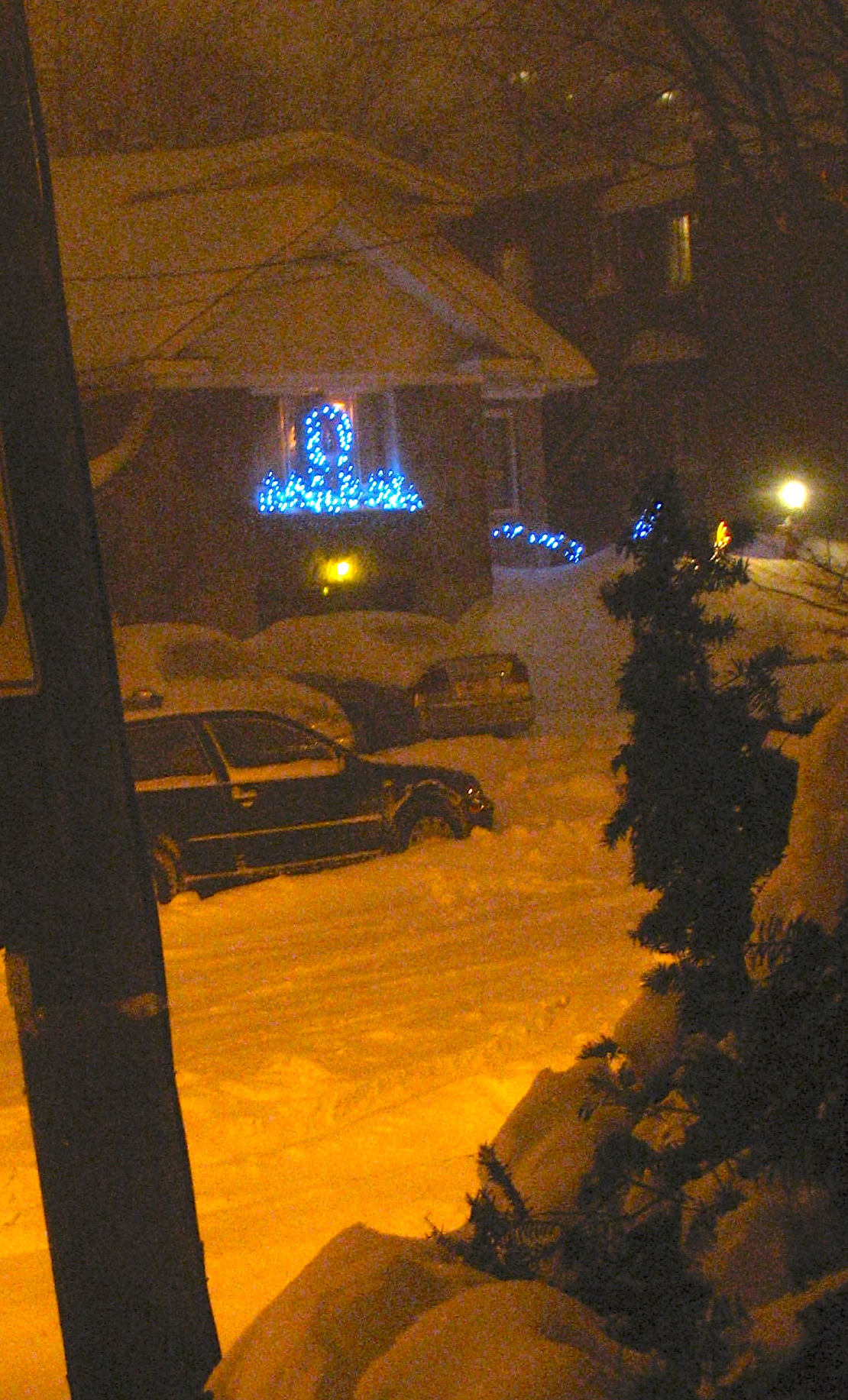
-photo Harry Rajchgot
Speartooth
Arlyn LaBelle
I know your skin,
the bitten place behind
your knee. I know
from being peeled,
from being cleaned
in your small room,
moulding like pleated skirts,
a place I can fall to
when I need to be anyone.
Leaving Your Bed
Miguel Eichelberger
When the quiet is silenced by sunlight
Stretching itself languidly over your skin
I see morning, unmasked.
A murderer! A criminal who sneak
On pointed toe into this bedroom to take last night.
Last night,
When I fell to sleep upon your lips.
Morning was loud of envy. Morning, the inevitable nuisance
Policing laze and comfort. Calls me aside
And pats me down. Morning bathes us in false heat, false
Light and heralds the interruption of day. The fiend is unrelenting.
He comes with the sun and swears to be a soldier of
Good. Know, lover, that the badge he presents is
Fake.
Morning is a jealous thief. Me from You, You from Me.
You are taken from me upon the contract of day.
Taken away, your blush, your smile draped like silk upon your lips.
Taken away, the arm resting above your
Hair. Fingers telling me to move forward. Too hot for covers,
Your body is embraced by lecherous Morning.
The bastard winking at me as he touches you.
What is Morning
But a thief in the day, masquerading as a new beginning
When it is but an end.
For I must leave your bed.
Babi Yar
Ilona Martonfi
I have been to Babi Yar
a silent, sad earth
leafless chestnut trees, poplars, roses
inscribed in the sand of skulls
Symphony No 13 adagio
I couldn’t even ask:
Who is the bass soloist?
Baritone of speech song.
Fenced in with barbed wire
on the outskirts of Kiev
between Melnikova
and Dokhturova Street
beyond the Jewish cemetery.
A male chorus.
Cellist on this recording
cordoned off by SS soldiers
Nazi-occupied Ukraine
you couldn’t hear the shooting
September 29 1941
in a ravine at Babi Yar and there, I don’t know
a child. I touched her face.
 Morning Nocturne
Howie Good
Siri refuses to speak certain words above a whisper (measure, cleave, silver). I’m reminded, oddly, of Dali’s love child teetering on the edge of a precipice. Getting to work has come to seem more and more like work itself. There are no clocks anywhere, though there are carcasses in various stages of decay, and I very well might encounter a man who has worn the black uniform with the skull-and-crossbones insignia. You should be able to guess what happens next – the permanently forgotten people in old photos open their mouths to scream.
-photo pre-WWII Poland

The fifty-year-old house
Louise Carson
How happy she was she didn’t buy it:
a rooming house, abortion clinic.
Finally, burnt out.
The unhappy house.
No one ever loved it.
-photo Harry Rajchgot
Changes
Sophia Wolkowicz
Reservations are suggested with changes
except most of us are unaware
that we have travelled on a
one way journey until
we have reached its destination.
And whether suddenly or,
through insipid pace,
no desired accommodation
awaits our arrival.
It would be best to book in advance
a fortress to steel oneself against
any damages, loss or theft
and then affix a DO NOT DISTURB sign on
its entrance.
Seeds encased in jack pine cones
require fire to release their kernels
and spur new growth to an aging forest.
But restoration has no confirmed date.
Hovering branches
tangle against each other
and in successive days,
block out more light.
Changes can betray you.
They have a life of their own,
that intersect our itinerary
and shove us against time.
We grasp past moments
to regain balance,
but remain all the while,
the startled tourist.
Still point
Michelle McLean
“The only journey is the one within.”
~Rainer Maria Rilke
To know what it is
to be cracked open
wide as the world –
Heart open as the sky,
and part the path for
that kind of space.
To uncover the buried blessings
of your pain;
To know that you will never again
be the same –
Your borders, boundless.
To feel the earth collapse
under your feet
and discover
your ability to fall,
to float.
To no longer run
from the wounds
of your past.
To descend
into the darkness
and mine the gems.
To arrive, again
and again
to further journeying,
returning.
To face unafraid
the plans that you’ve made
and to know
your plans are traced
in sand.
To make peace with this.
To slide back
into your story,
become its hero.
To celebrate the pulse of Life
here, now, this –
Arriving home gently
to yourself
with loving welcome.
The Monopoly of Marriage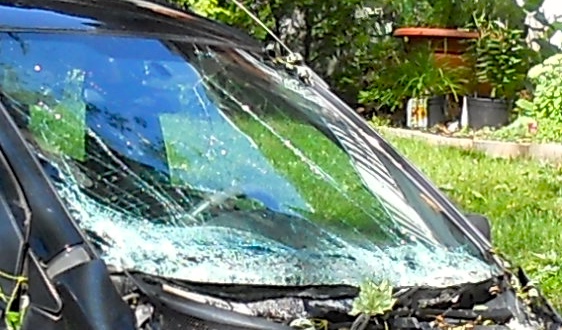
Marlena “Zen” Johns
Glass shards fall.
Like the leaves of an autumn tree,
Baubles cover the ground.
Hands deflect a shower of
Splintering, slicing slivers,
Like threads of insulation.
My tiny paper cut scars
Seep blood,
Staining maroon seat covers.
My husband continues,
Smashing car windows with fist and club.
Bloody marriage knows no laws.
Vows protect heinous crimes.
Degradation follows destruction,
And police watch, bystanding pedestrians
As a stream of broken lives pass Go,
And no one sits in Jail,
The community chest’s gift-
Get out of jail, scot-free.
Sojourn
Lawrence William Berggoetz
I have arrived from an ancient city named for a nomad, bruised with black blood. I have not followed a star, my journey moves me in arcs, not in lines, as I study how sunlight changes once it reaches the shelter of June leaves in a young tree.
I would travel on roads, but I seek the echoes and mystery of caves, none of which are found along worn paths or marked by stone trails.
I stir when song arrives like dawn emblazoned in the blossom of the twilight world that is slipping away just as it appears. At night, I alight like a small bird upon its favorite branch as soon as rainfall ends.
I close my eyes and enter a field of wildflowers and clover, filling the air like breeze willing to carry the fragrance of summer across the lake to children who still see their guides, and know that inside each tree is a heartbeat’s vibration.
In silence, I see a child sitting as perfectly as a stone Buddha. I can observe my life from behind his folded body, in communion with the universe; I can see my back, my head quietly observant as my other body dances to each sound. Suddenly, I understand why I long to speak in colors, not in words, while my dreams bleed without the cost of wet blood, fallen like waves that cleanse the beach in the night.
Stepping toward a window, I peer beyond the North Star wondering how the dark side of the moon would appear to a comet thrown into a sudden orbit around the sun.
Mothering a Member of an Endangered Species
Marlena “Zen” Jones
I remember the night that my sons made the transition, completed this rite of passage that catapulted them from the, “Isn’t he cute?” comments to stares of suspicion. They were 12. I wasn’t ready. I wasn’t ready for them to go on dates, or take their first drive or get a job. I absolutely wasn’t ready for them to be stopped by the cops.
It was October 31st, 2008, and we had just returned from hours of face painting, pizza eating, bobbing for apples, sliding down huge inflated slides, and boxing with inflated gloves at a church about 30 minutes away. It was still early, around 7:30, and my kids wanted more candy- although they each had a bulging basket, so I let them out in front of our house, told them we’d make a quick round around the neighborhood and call it a night. They began walking to the next door neighbor’s house, and I began to turn the key to open my front door. We’d won a cake that night in a game of musical chairs, and I planned to drop it off in the kitchen and join them. But before I could even do that, out of the corner of my eyes, I saw flashing lights, and the cops were jumping out of a squad car yelling, “Hold it right there young man. What are you doing?” I sat the cake on my porch steps and began walking towards the scene, not believing that my sons- in full Halloween finery and clutching baskets full of candy- were being questioned by the police who assured me that they were only stopping them because someone reported that it looked like some young men were “casing a house”. How unlikely that excuse sounded to me since the hood of my car was still warm, and I hadn’t even had time to open my front door.
We returned home soon after, and my kids gave all their candy away to the next group that knocked on the door. No one had much of an appetite.
That was my baptism into the life of a black teenager in America. My sons weren’t wearing hoodies or gang colors; their pants weren’t sagging; they weren’t out late at night, when all “good kids” are home in bed. They were 12 and trying to trick or treat on their own street, in a neighborhood they’d lived in for five years. The neighborhood they went to school in. They were knocking on doors of their neighbors trying to get candy. They were trying to be kids.
Over the next seven years, my perception of law enforcement took a real beating. Maybe it was because my kids were harassed sitting at playground swings after school in the neighborhood playground adjacent to their school. Maybe it was because on their first double date at a local mall, I got a call halfway through the movie that I needed to come quickly. Security had escorted two drunken adults multiple times to the exit of the mall, and these adults, who happened to be white, had decided to taunt my sons and their friends. An argument ensued, and when security called the police, the adults – who had cars -all left the scene while the teens were left waiting for me. I walked up to hear officers threatening my son with jail time for disorderly conduct because of a request to pull the video footage to see what really happened since the whole altercation was caught on film. Maybe it was because the first time they rode in a car with a friend who’d just gotten his driver’s license, they happened to see two female classmates, who happened to be white, walking home. They innocently offered them a ride. A few minutes later, the new driver was explaining that he wasn’t trying to kidnap the girls, check his student id officer. We go to school together. We all live in the same neighborhood. Maybe it’s because my son was caught on camera walking by the door of a locked classroom at his school, and when a phone ended up missing at the end of the day, he was the one being questioned by the police. Who was he, Casper, able to float through walls at will? Maybe it was because both my sons and my husband at the time, had guns pulled on them while doing yard work in our backyard because a suspect was fleeing police custody, and it looked like he came that way.
Maybe because the time of my sons’ lives that was supposed to be the most carefree- their teenage years, when they were supposed to make memories that they laugh about, that last them the rest of their lives, was filled with the number 33. Thirty –three, that’s the amount of times that my sons were collectively detained in the span of 8 years. An average of four times each year. I know that’s a lot less than some articles I’ve read where young men say numbers like 100 or 200. But I can’t mentally process 33. Once a season, on average. They can’t look back at a single milestone- their last time trick-or-treating, their first date, their first ride in a car driven by their friend- without there being a memory of fear, a sense of being a target. And as a mother, who wants the best for her sons, who wants them to be happy and healthy and whole, their childhood or lack thereof, angers me.
And the other things that happened around them, terrify me. See, no kid grows up in a vacuum. And my sons were popular, and involved. Football, basketball, track, band, debate team, lyricist society, Black student union, mock trial team, choir- keeping up with their schedule was a huge addition to my full time job. And by the time they hit ninth grade, they had a local pack of companions, ten in fact, a few a little older, a few a little younger. As parents we had cookouts and sleepovers, car pools and birthday parties with this dozen in attendance. They pictured graduating together, going to college together, doing the same things they were doing now as friends, with their kids. When graduation came, of that dozen, two were dead- one stabbed by a Hispanic classmate at a high school my kids no longer attended, and one killed in a home invasion. Four were in jail. Six walked the stage- four friends and my two sons. So 40% of my sons’ friends made it to 18. Six in all, including my sons, were alive and un-incarcerated. So, even graduation was bittersweet.
I’ve heard it said that more black boys are born than black girls, 8 boys to every 7 girls, but by the age of 18, there’s one boy left for those seven girls. The other 7 are dead or in jail. I heard a comedian once say, people say black men are an endangered species. No they’re not, if they were, they’d be protected by law. I’ve posted statistics about police profiling, about Sandra Bland, and Eric Garner and Trayvon Martin, and been called a racist for pointing out what happened to them. That and the fact that American society tends to blame the victim, thinking there must be a reason why “these things” happen to “those people” led me to not want to put my name on this piece. After all, I work in a conservative field where people are quick to judge. So for seven years, I’ve stayed mostly silently, posting here and there when the pain got too deep. But now, I’m writing to America. As a mother, as a neighbor, as a friend, as a church and community member and begging, pleading for each of you to see the bull’s eyes on my sons’ backs. Pleading for you to see the targets on my students’ backs, on the back of every Trayvon Martin who is still walking around carrying a bag of Skittles and an iced tea, minding his own business. And take them off.
-photo U.S. Marshall Service (public domain)
Vulture
Katie Vautour
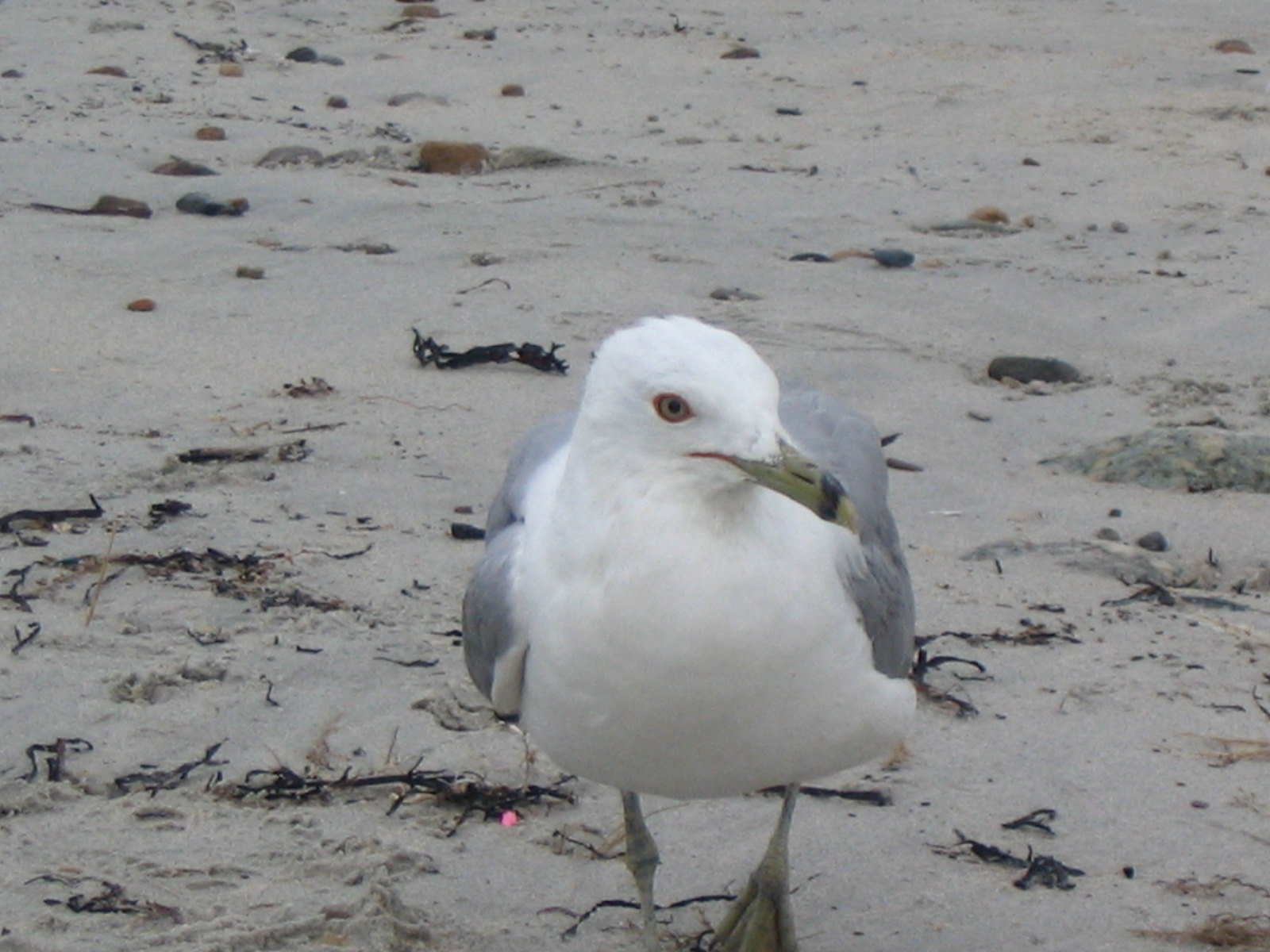
French-English dictionaries tell me that my family name translates directly to vulture. Nan was more of a goose—I guess because she married in—clucking at bad ideas, honking and baring her sharp teeth at anything threatening.
In Arizona, oranges are as common as pinecones are in New Brunswick. My brother and I throw half-rotten fruit at each other in a parking lot, dodging between cars that people will have to wash later to get rid of sticky citrus.
My phone rings. It’s Nan, saying her arm hurts where they scooped out the lump. She whispers biopsy, as if saying it quietly makes it better, or like it’s a “bad” word, or maybe God will hear and will just forget anything bad is happening.
Justin hurls an orange at a cactus. The cactus has lumps, grey knots like those I imagine cling to Nan’s arm. The orange is pierced on the spines with a thwack, juice spraying everywhere.
Justin and I are back in Saint John, outside Grampy’s house: blue shingles, white trim. He tells us that when the ambulance drivers took Nan to Hospice, they asked her address and stopped in front of the house so she could look at it and her eccentric collection of lawn ornaments. There is a statue of the black boy in red suspenders and white shirt, fishing amongst a forest of flailing pinwheels and glinting metal curlycues. To get to the garden, I would have to manoeuver through an aviary of wooden birds, wings twirling in the wind.
“I don’t know why your grandmother’s got so many damn birds,” Grampy says. “We’ve got enough real ones as it is. I’ve seen flocks of woodpeckers trying to drill bugs out of the suckers.”
Compared to New Brunswick, there aren’t many birds in Newfoundland, aside from the obligatory seagulls and pigeons and puffins. Occasionally, I’ll see one cardinal and wonder where all the others are.
Nan’s room is a white chamber. The bare windowsills are white as the nurse’s clipboard she prints on with blue ballpoint after adjusting some wires and tubes. I hear a squeak from the corner, it’s my Aunt saying, oh, well I think the pollen made Nan cough more, so I moved them.
Pollen. As if flowers caused her lungs to seize and collapse.
Justin marches down the hall in polished black boots and retrieves the flowers from the nurses’ desk. He slams them on the windowsill. A haze of yellow pollen rises like a revolt in the sunlight.
There is a variety of plants, daffodils, roses, black-eyed susans, a strange spiky plant with yellow fur (probably from our family back in the desert). Someone sent a single white orchid. I wonder if they knew how appropriate that was. Nan is like an orchid right now. People love orchids but can’t keep them alive because they don’t know how to care for them.
The last time Nan sees me, she stares open-eyed, sucking air with her eroded cheekbones. Smokes kept me breathing, she had told me, better than puffers, better than fresh air. I’d smoke through a hole in my throat.
I try to smile at her but I can’t.
“Did you notice how much Nan looked at you?” Dad asks later. “She was glad you were there.”
I know she wouldn’t want me, or any of us, to see this. She would rather huddle her family under a fence of feathers, shielding us all from truth.
My brother is the only person in the family who takes the idea of “bird” literally. He is an air force pilot, and usually flies real planes, but now he sits at the computer with fingers connected to cords and buttons as if he’s hooked up to a life support system. He flies digital planes against digital bad guys, blowing the shit out his enemies as if defeating them defeats his sadness and confusion.
I perch on the arm of the couch beside him, pecking at my fish and fries. I guess I am a vulture—not just because the dictionary suggests that denotation.
I am a scavenger by profession. I scour streets for scraps, picking through carcasses of recycling bags for objects or interesting materials. Then I rearrange them and glue them together, then call it art and people gawk at it with curiosity.
One of the funeral directors offers Grampy a rose to lay in the hole. He takes it and starts shuddering. The flocks of family scatter in dull black coats, huddling from the hiss of spray from the sea. Some cock their heads, observing my grandfather curiously from a distance.
I glare at them. Never mind vultures. My family is a bunch of ostriches sticking their head in the snow. I concentrate on my feet, bursting iced twigs like capillaries in a lung.
Standing beside the unmarked grave, Grampy looks like a vulture: hooked nose, bald head with sprigs of white sprouting around the rim, black coat flapping over his hunched back.
He stands under snow-bandaged tree limbs, shaking fingers still holding the rose. Glistening beads of water sparkle on the petals. When I touch his arm, he drops it in the hole and shuffles away through the snow.
The luggage carousel in the St. John’s airport grinds to a stop. The red light flicks off. A plump lady with a bobby-pinned blue hat holds the microphone to her painted lips and cheerfully announces that they overbooked the plane in Toronto, so our luggage got left behind and we will receive it in a few days.
The crowd of people with hugs and luggage that are not mine is overwhelming, so I wait outside, standing in the ice-bitten streets, neon lights wavering on the sleet-soaked asphalt.
A tough street pigeon, complete with Mohawk, wobbles around my ankles, cooing, as if I landed here only to challenge him for his turf.
My boyfriend waits for me in the car. “Let’s go home,” he says.
Home?
My other grandmother, on my Mom’s side, passed away in January. The morning I am supposed to fly back to New Brunswick for her funeral, the flight is cancelled due to a storm. I might be a vulture, but unlike my brother, I cannot actually fly. When planes get cancelled, I get stuck on this island.
This day also happens to be my boyfriend’s niece’s birthday. She’s five. For the sake of normalcy, I agree to immerse myself in a world of pink taffeta, and other things I never liked even as a little girl. Under pressure to find delight in china cups, I have only an overwhelming sense of trespass. My grandmother, who was being buried under layers of ice-crusted snow, would have insisted on throwing out any food served on china that had the tiniest hairline fracture. Then cracks from those chipped teacups crawled onto her palms and into her brain until it shattered into pieces and she couldn’t put anything back together again.
I sit with hunched shoulders, sipping tea out of a teacup too tiny for tea, brooding about the web of roses wreathing the cup. My grandmother’s dementia had sprouted suddenly in her mind, a parasitic plant digging deep roots down into the darkness, thriving off her memories until they were all gone and it withered up and died with her.
Vultures are unusual creatures in this setting. Tiny birds avoid me, flapping around with blankets over their shoulders and heads, shrieking like some aviary on acid. A bold one flicks her head, throws a blanket at me and says:
“Katie doesn’t have any wings!”
I forget my manners and run away to cry.
I lean against the door of a car I’ll never ride in again. In a cab, I’m in a place but no one knows where I am. I hope the driver will devote the rest of his life to taking me home. Bits of me get left the air each time I fly. The idea of me and home disintegrates when I get shaken up, shaken like an etch-a-sketch erasing my one Grandmother’s memory, like the long ash of my other Nan’s cigarette crumbling on a breeze in her garden.
 WE STRANGERS
Carl Boon
We know, we strangers, we
who stand on the platform
whispering stories
to each other.
Her mother’s breast aches—
in the morning, especially.
Perhaps it’s how she sleeps,
or the fall breeze,
the crack where the window
won’t close. But we’ve foreseen
the issue already, the tender
flesh spidery and weak.
Or the man whose wife
disappears most Wednesdays,
the breakfast plates
in the sink, her best pants
specially creased. She’s not
going for the sale on sheets
at the English Home Boutique.
She’s desiring another latte
with the man with nice hair.
These people speak to us
with glances, as we listen
for our trains and wait.
-photo Harry Rajchgot
Rabid Redemption
Linda Boroff
Sometime during Charlene’s thirteenth summer, she became convinced that she had contracted rabies and had only two weeks to live. Thirteen is an addled age anyway, a sort of staging ground for adult neuroses; Charlene had read that her brain was sprouting synapses at a blazing rate, and all this additional circuitry not only spawned weird anxieties, it stored them away in spacious new quarters for quick access and long shelf life.
Looking back, Charlene could easily see the traits that would someday make her more Emma Bovary than Jo March; more Lily Bart than Emma Woodhouse. But even at thirteen, worrying oneself into a frenzy over rabies when one had not even been bitten crossed the line from eccentric into full-blown neurotic. Charlene knew that her fear was ridiculous and told herself so by the hour. Yet, the fear persisted, its teeth deep and locked on, shaking the girl like a rabid wolverine.
She attributed some of her hypochondria to being an early and undiscriminating reader. As a small child visiting the neighborhood library, she had not turned left and descended into the children’s section, with its perky decorations and gentle, rhyming tales. She went straight up the stairs and took her seat amidst brutal adult reality.
At age nine, browsing the science section, she had come upon The Merck Manual, that handy, authoritative guide to afflictions major and minor. The Merck had no bedside manner, minced no words, softened nothing, and comforted never. Charlene’s mouth dried as she read the lists of diseases and symptoms: she had leprosy, she realized, in addition to glaucoma, trichinosis, acromegaly and, just possibly, sleeping sickness. She was riddled with tumors, all inoperable. Turning to the mental illness section, she identified her manic depressive psychosis, incipient schizophrenia and progressive megalomania.
Charlene’s two uncles, younger brothers of her father, attended medical school at the University of Minnesota. They would drop by sometimes to grab a lunch, stethoscopes swinging like whips from their necks, throwing around words like dextrinosis and saccharomycetaceae and Paget von Schrötter syndrome. At the arrival of these two family princelings, a cold chill would lift the hairs on the back of Charlene’s neck. What if they noticed her lesions? Her lassitude and malaise? She tried to breathe normally around them, but it still sounded like rales and stridor.
Usually, with time, the mundane issues of school and social life would distract her, and her fears would eventually fade or be replaced by others. In later years, though, she could see that she was only banking them up like glowing coals; they lay dormant but alive, awaiting their summons to erupt again.
Summer of Hydrophobia
For a hypochondriac, rabies just may be the perfect storm: rare but incurable, agonizing beyond belief, and capable of hiding in plain view. When it came to sheer horror, rabies rang the bell, thanks to the evolutionary genius of the rabies virus.
The disease (Charlene read, barely breathing) was usually spread by the bite of a mobile creature. The virus acts on the victim’s brain in such a way as to bring about, in dogs, for example—still overwhelmingly the commonest host—an irresistible urge to bite. As a child, she had sat weeping beside her friends in the theater at the fate of Old Yeller; the finest dog that had ever lived, transformed by rabies into a snarling death’s head, raging to destroy the boy who loved him. This evil metamorphosis was the work of the most cunning virus that had ever set its perfidious endoplasmic reticulum on planet earth.
Rabies, as Charlene learned, was actually a trio of deadly sisters who went by the elegant stage names Lyssavirus, Ephemerovirus and Vesiculovirus. With their non-segmented, negative-stranded RNA genomes, the sisters turned heads and dominated the red carpet at any danse macabre. Despite their age—thousands of years—they were eternally fresh and deadly, reliably contagious, forever renewing themselves.
On this particular summer, having made it through eighth grade, Charlene had joined her mother and younger sister for a summer visit to the mother’s own sister, who lived on Long Island.
The visit started benignly enough. Aunt Elinor had two daughters; the older daughter, who was the same age as Charlene, had recently adopted an amiable German Shepherd named Wolf, whom she had acquired from some unknown source. Strays were fairly common in what was then a semi-rural neighborhood.
Charlene, nearly five-feet-ten and as skinny as Olive Oyl, her detested nickname, loved dogs with the fierce, desperate love of the outcast, the misunderstood. And so It fell upon poor Wolf to provoke her worst ever episode of hypochondria.
It began with a teensy, nagging doubt. Did that hangnail on her thumb qualify as an open wound? It had bled, she recalled. She stared at the tender scab until her teeth began to chatter. And how about that blister she had just popped on her other hand? Another invitation to the Viral Sisters? She and Wolf had played catch with his saliva-drenched tennis ball; they had rolled about on the floor wrestling. They had shared snacks. Had the dog been vaccinated? Charlene tried to assure herself that he must have been, but her cousin seemed to be ignoring her tentative queries. She knew Charlene well, that particular cousin, and she was something of a sadist, not above tweaking Charlene’s anxiety just a little bit, with a teasing sidelong glance. “I would miss you if you died,” the cousin said with a sigh, and looked at Charlene with her pale blue eyes of infinite sadness.
“Please don’t die, okay?”
So Charlene tried to ignore the growing drumbeat: anyway, she knew that rabies had been nearly eradicated in the U.S. Practically. Nearly. Almost. So it was not impossible, but merely unlikely that she was infected. “Unlikely” sounded too much like a roll of the dice to offer much comfort. Lying alone in bed, Charlene’s efforts to reassure herself collapsed before the onslaught of full-fledged panic.
Confessing her fear to an adult would be a double whammy: not only would she not get the vaccine, but her distorted mental architecture would be exposed to all the world. Caught between these two dreaded outcomes, Charlene trembled through her dwindling time on earth.
As the incubation period and her lifespan shrank by the desperate hour, she still could not muster the nerve to tell anybody. She knew that the adults, with indulgent grins, would first try to reassure her. Charlene’s mother would use the opportunity to flog everyone with her daughter’s high reading level. She would explain to Charlene that she could not possibly have rabies and needn’t worry over such things for one more minute. Charlene would note the hint of warning in her voice that she had better not embarrass her mother any further in this preposterous way. Her mother and aunt together would dismiss Charlene’s anxiety—sealing her fate. Charlene pictured them at her bedside as she lay in restraints foaming and convulsing. “She tried to tell us,” they would wail. “We didn’t believe her.”
Somebody must have coaxed the fear into the open at last, and word quickly spread: Crazy Charlene was worried that Wolf was rabid. She quickly became a figure of welcome fun in a visit that had begun to grow dull.
That evening, Charlene’s cousin approached her, holding out a tepid glass of milk. “Here,” she said, with faux sweetness, “this will make you feel better.” Charlene grabbed the milk with rabid fury and hurled it across her cousin’s new canopy bed. The canopy was decorated with lilacs and green tendrils above a border of cotton lace; its beauty and feminine elegance were the wonder of the family. The ensuing fracas brought the two mothers running to see milk pooling in the center of the canopy and dripping from the posters onto the mattress. Charlene’s cousin widened her eyes to the absolute limit of innocence, insisting disingenuously that she had “only been trying to comfort” her frightened guest. Charlene the perpetrator, wounded and impotent, called her very own cousin a liar and a sadist.
Charlene’s mother set her chin and narrowed her eyes. Hopeless, Charlene realized that she alone was responsible for ruining the visit and abusing her family’s hospitality. That very night, she was packed up and shuttled off to the home of another relative, there to wait out her span on earth. “I forgive you, I hope you get well soon,” her cousin had whispered in her ear, as Charlene departed.
Sometime after the dreaded Day 14 had come and gone uneventfully, and back now in her own bedroom, Charlene awakened and looked around at the scuffed linoleum floors and faded blue walls. Her father’s chronically unstable business had left nothing in the budget for updating the decor of Charlene’s early childhood, so the wall still sported a series of painted wooden hangings: a footsore Cinderella racing home from the ball; her coach morphing back into a pumpkin—what if Cinderella got sealed inside, Charlene had always wondered—and the footmen sprouting disturbing mouse tails that bulged from their livery. Dr. Seuss characters capered mockingly across her curtains.
But the utter mental clarity that Charlene felt that morning told her, and for certain, that she was not rabid. In her relief, she grasped, vaguely, that such good fortune carried with it a sort of mandate that she rise and encounter the world that awaited her—today, and on Day Twenty, and even perhaps on Day Five Thousand Seven Hundred and Seventy-Five. Whatever befell her in life, it would almost certainly not be rabies, which was, after all, only a guarantee that it would be something.
 The Rain
Shaharyaar Kamaal Siddiqui
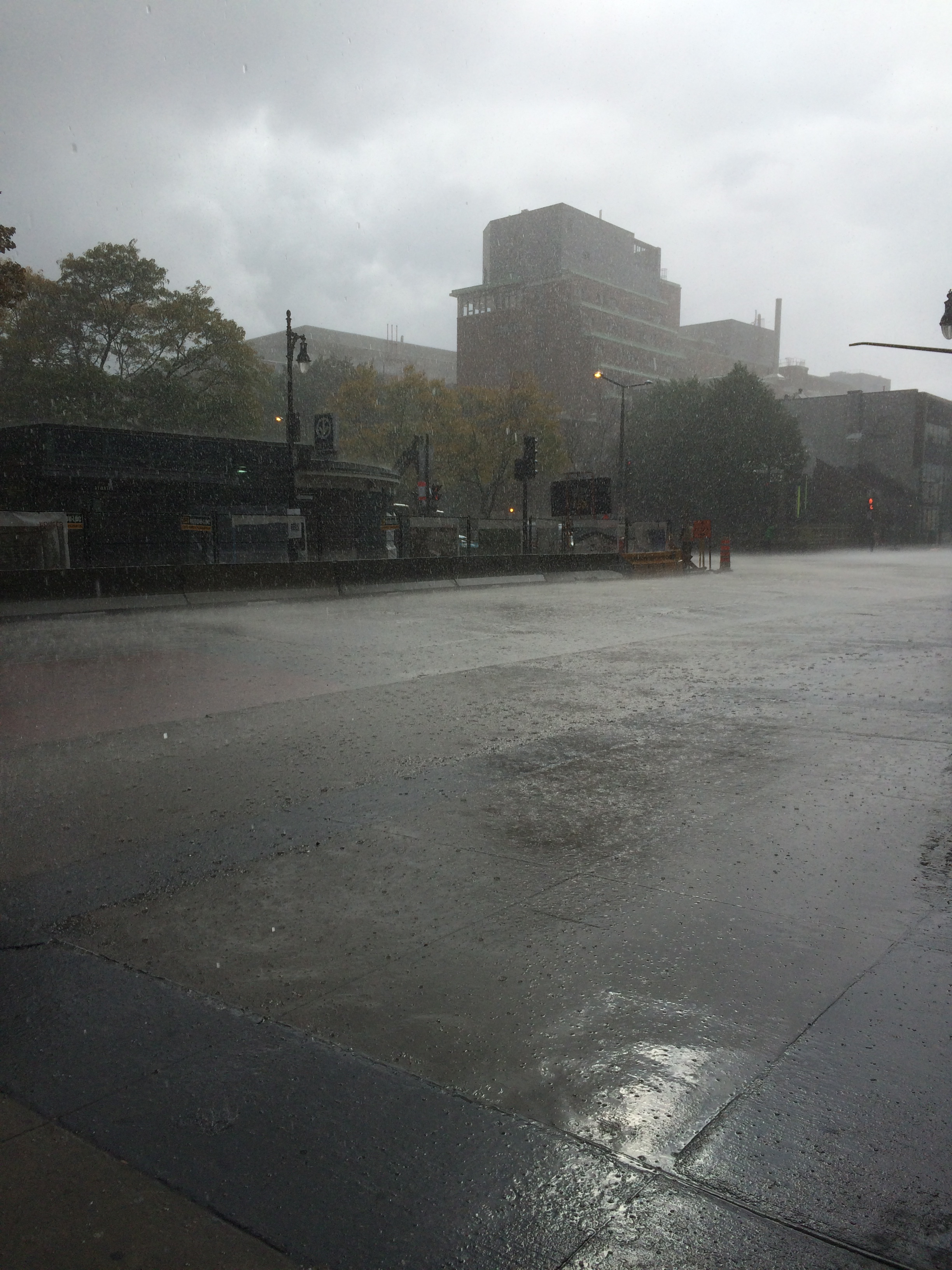
The firmament splits asunder,
Limpid azure expanse engulfed by marching pellets of black.
As tortuous streaks of lightning rumble and thump,
Behold, as the heavenly chaos unfolds.
Under a divine decree, I descend and alight,
From the empyrean to the ground beneath!
I see,
Urchins swarming the streets like unfettered souls,
Gazing heavenwards with beseeching eyes,
Bashful bride frolicking in the courtyard,
Fresh from a morning connubial bliss.
Tenuous smile flickering across a coy vermillion face,
What unbridled joy I bring to thee…!
I see,
A hapless doting mother, a picture of misery,
Huddled in a corner, cursing her penury!
She scuttles and scurries, clasping the baby to her chest,
Drenched and distressed, collecting littered fragments of her nest.
Ravaged and wrecked, she laments amidst the debris of loss.
What unfathomable sorrow I bring to thee.
I am, but
A drop of tear from the lachrymose Observer,
One who said “Be”,and it was!
To see his creation riddled in strife,
Love lost in mankind’s giant strides!
Within flesh and blood a serpent resides.
Standing tall on the edifice of might,
Hallucinated by evil whisperers in the shadows of night!
Man beckons his doom, in an air of gloom.
Cometh His wrath, behold the creation charred into fumes.
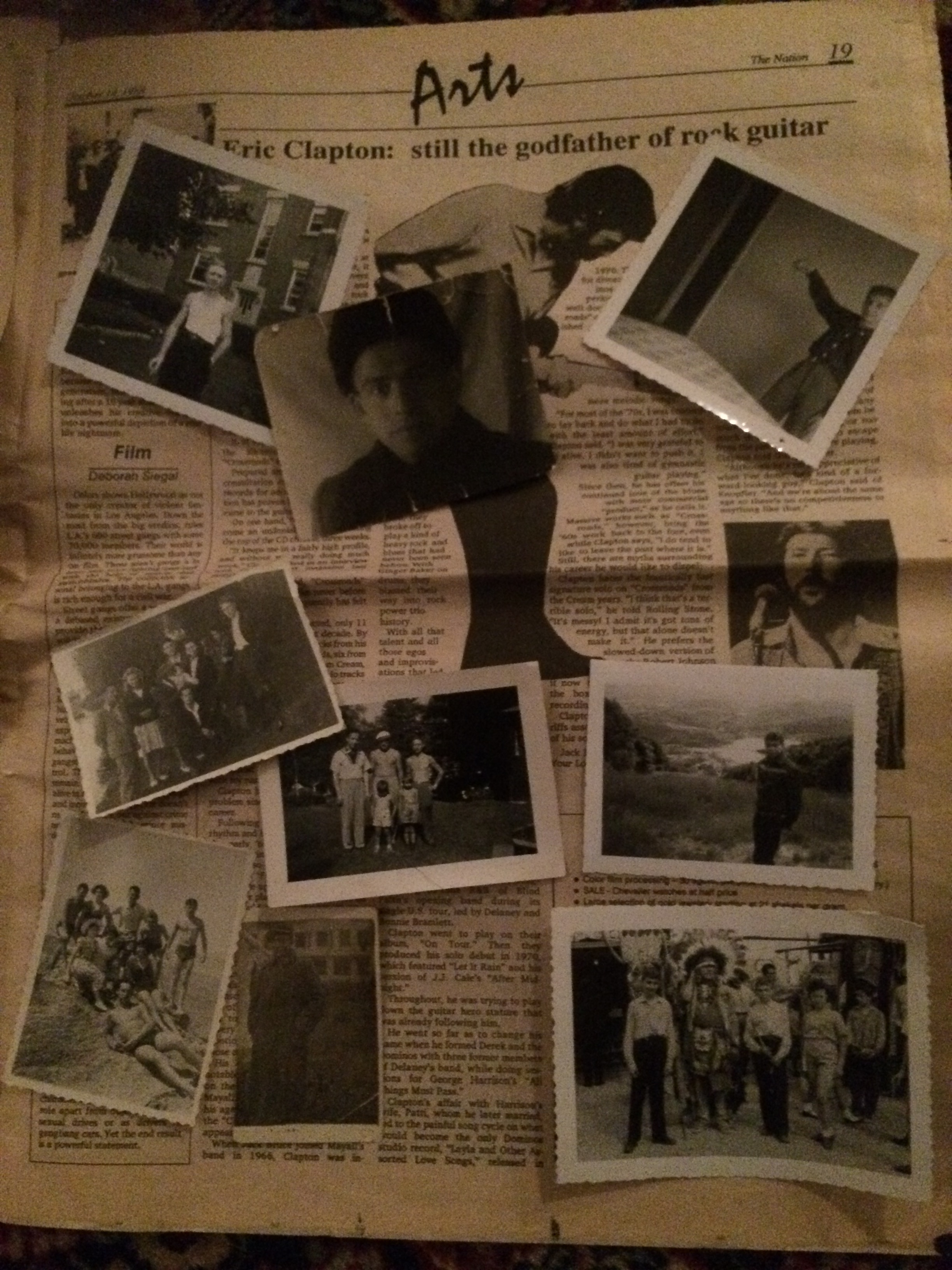 Hope Chest
Virginia Boudreau
A few gold apples cling to black branches
on a twisted tree I pass every day.
I walk and watch, filled with wonder:
how can you be dying?
My driveway seems steep, the house further away.
The weeping mulberry is a chandelier
balancing crystal tears, trembling and precarious.
I think of your eyes that rainy afternoon last summer.
It was the day we unpacked your hope chest
to make it lighter for the move to your new house.
“It’s heavy.” you’d said, “It needs to be
easier to carry.”
Your voice was soft as fingers stroking
the worn scrapbook, I remember
loose pages falling like leaves
when you picked it up.
It took us a long time: memories
lingered and snagged on fences
that seemed too hard to climb.
So many photographs,
a lifetime of greeting cards full
of words we’d never spoken…
you’d held on to them all.
Dried rose petals and newspaper clippings,
ticket stubs and school projects,
scraps of ribbon, your button jar.
We took everything out, loaded boxes
for moving day. It seemed easier to laugh then.
Your trunk is at the new house now.
You were wheezing yesterday when
you told me you hadn’t gotten around
to unpacking cartons yet; some things,
you said, you can only do yourself.
I understand, but help me not to cringe
when I picture your hope chest sitting empty
as each dusk steals the fading light from your room.
Birthday
Virginia Boudreau

Once, clover overflowed my pockets.
lambs cavorted upon shoulders draped in timothy,
and my breath was sweet with pollen.
When leaves blushed under the sun’s knowing,
orchards ripe with promise bore fruit
rich and crimson. I felt the weight of their bounty
pressed upon me and yearned for more.
Later, geese and the last delicate song
birds were blown southward, over deep
furrows and shallow stream beds.
The wind quilted my fields, clumsy fingers tied
squares of sepia, umber, burnt gold with brittle reeds
bowing to November rain and the glossy weight of crows.
Now, I am pristine, snugly tucked on all sides,
Briars at my head cushion blossoms of snow
I am deceptively soft, an invitation:
Come lie with me here. Let me remember.
And, promise when you leave, the footprints
on my cheeks will dry quick and silver as tears
beneath a benevolent moon with it’s face turned aside.
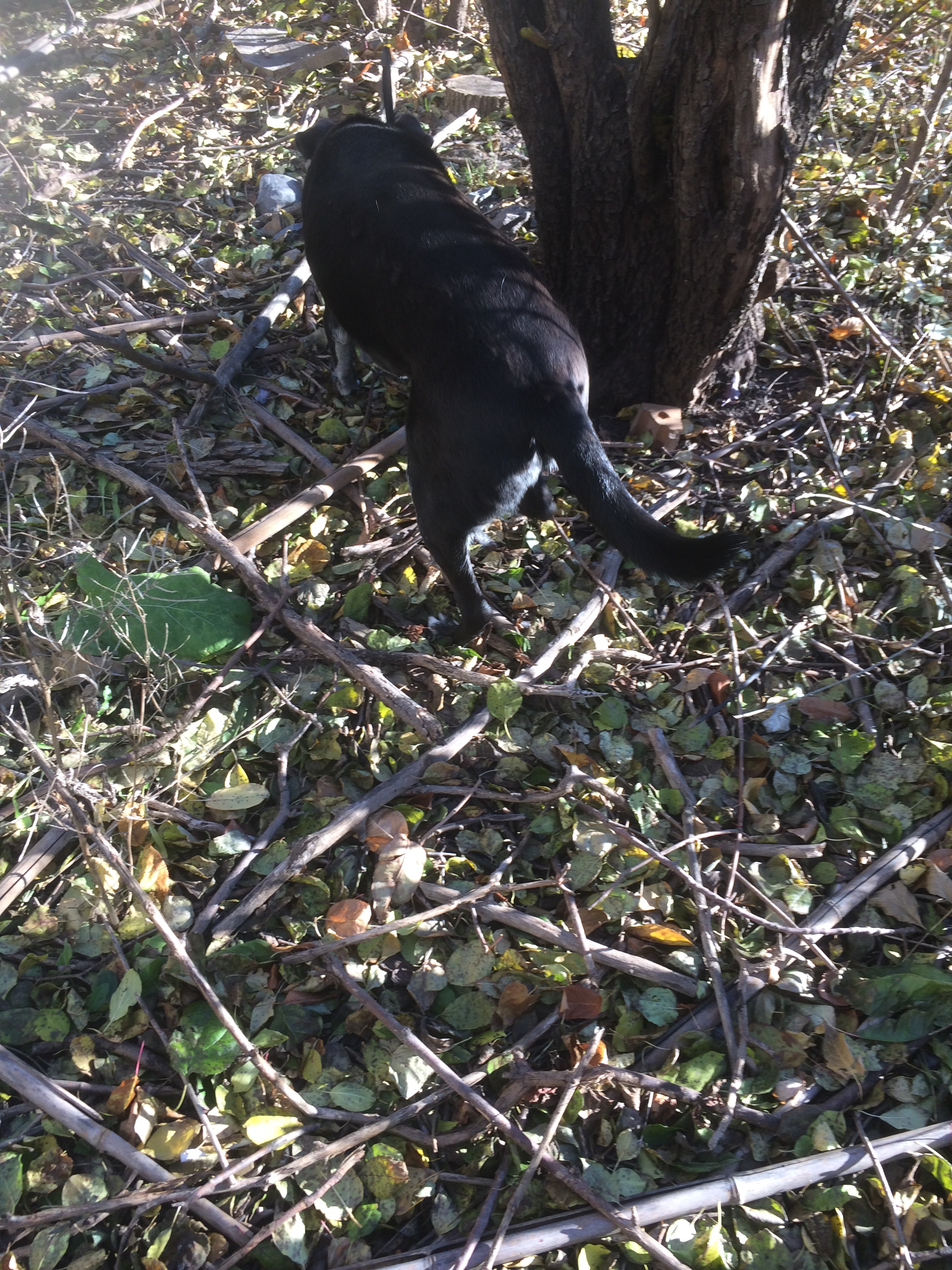
PRINCE
By Brent Allen
His dad said it seemed warm, but it was spring and this would be a cool day in the fall. So James wore the jacket grandma O’Malley got him for Christmas, and his father wore the matching one she had bought for him. Grandma thought it was cute, but James thought it was dumb and his dad agreed, but they couldn’t tell grandma what they thought.
James held his father’s hand and thought about asking his dad to carry him, but he was too big now. That was what little kids did. He was still a kid, duh, but not a little kid.
Prince walked off the path sometimes, but he was older now and stayed closer to them than he had in the past. He loved the woods. James knew because Prince’s tail wagged like he was swatting flies.
James was huffing when they got to the clearing and the lake opened wide and far. His father let go of James’ hand and scrambled down the incline to the side of the lake. He put down the tackle and folding chairs, touched the water with his shoe, and turned back to James and opened his arms.
“I can do it,” James said.
“OK,” his father said, but James knew he was watching closely as he slid down the slope. He stopped at his father’s feet and let his father pull him up so he could brush off his pants. When his father told him they were clean enough and they were old jeans anyway, James stepped to the edge of the lake and touched the surface with his shoe.
“Maybe we could get a boat,” James said.
His father looked at Prince, and James said, “Oh.”
He didn’t do too well,” his father said.
“Remember how we lost some of the worms?”
“He almost tipped us over.”
James bent down and put his nose against Prince’s muzzle. His dog was panting after the climb down the slope.
“No boat,” James said. “It’s OK, Prince. We don’t need a boat.” When Prince tried to lick him, James fell backward and wiped his face with his sleeve.
“They’ll be biting today,” his father said. His father could always tell.
“I hope I get one this big,” James said, and he spread his arms wide.
“No whales in this lake,” his father said.
James laughed and wiped away Prince’s slobber some more.
He and his father prepared their hooks and his father reminded James how to toss the line. James held the button down and released it with a perfect, arcing, toss and his father said “Whoa, James, I can’t beat that,” and James was happy.
They talked about school and Miss Delacroix and how James liked being in her class. His father understood why James was pleased with his teacher and they laughed about that because James was old enough to understand when a woman was pretty. Miss Delacroix was very pretty.
Prince walked around them for a while, keeping close, sniffing the water and the bait, but he curled up next to the tackle boxes and fell asleep before they caught their first fish.
Prince was still sleeping when James felt the first nibble. His father had not noticed, and James jerked the line. It was too quick — he should have waited for more nibbles — but he set his hook.
“Nice job, son,” his father said. “That’s the way to do it. Reel it in slowly.”
“I know, dad,” James said. “Slowly. Slowly.” He wound the spool with the handle. “I think it’s big,” he said.
Prince had finally woken up and he watched James. For a second, James thought the fish had slipped the hook, but he felt it tug again and he reeled it in very slowly. His father got a nibble, too, but he lost the fish and reeled in his line. He slipped a nightcrawler on the hook and waited for James before he tossed the line.
“Got it under control?” his father said.
James nodded. “It’s close, but I don’t think it’s that big.”
His father tossed his line and let the bobber float while he watched James.
“I can see it,” James said. He reeled faster until the fish was out of water. It was a blue gill, and it was pretty big. Prince was interested and watched intently with his tail in a fierce wag.
“Let me take it off the hook,” his father said.
“I think I can do it.”
His father looked at him askew and nodded. It was a big moment. James held the fish tightly and slipped it off the hook without getting poked by the fins or the hook.
“You’re a regular pro, now,” his father said.
“James, one; Dad, zero,” James said, and they both laughed and Prince plopped down next to the tackle boxes and fell asleep again. James let his father slap the fish against a rock and gut it with the knife that had belonged to James’ grandfather.
“Someday, this will be yours,” his father said. James hoped it would be soon.
It was an hour before twilight before they were tired of fishing and talking. James had three to his father’s two and his father had promised a sundae on the way home for James’ victory. His father had caught a large bass and tried to change the rules to win by total weight, but James would not allow it, and his father conceded that it was number and not weight and he would have to correct that next time they came unless James caught a really big fish. They took four of the fish home to eat and Prince slept the whole way home.
II
It was the kind of hot that only the heart of summer can bring. James’ mother refused to cook inside, so his father grilled hamburgers in the back yard and drank a Pabst Blue Ribbon from a bottle. James’ mother held his baby sister Jessica and shuttled patties and cheese and buns to his father, who wore a big, dirty, apron that said “Please kiss the Grillmaster.”
Prince sauntered across the yard. He was older now and he coughed a lot and his dad said he would have to go to the vet soon if he didn’t get better. James watched as Prince toppled on his left side and James yelled “Dad!”
His father dropped a hamburger and the spatula on the grass and ran over to Prince and tried to get him up. James saw Prince cough up white froth tinged with red. The old dog whimpered. He had never done that before, and James was scared.
“Mary,” his father said. He motioned with his hands and James did not understand. But his mother returned with a bowl of water and his father took it and put it in front of Prince. When he did not move, James’ father poured some of the water on his teeth and Prince lapped at it a little. James’ father tried to help Prince up, but Prince whimpered again and started coughing.
“Oh, God, Mary,” his father said. “I’ve got to take him.”
“David —“
“Look at him.”
His father knelt down and picked Prince up. Prince whimpered at first, but he stopped by the time they got to the car and James’ mother opened the back door and James’ father put Prince on the seat. Jessica sucked on her bottle and watched. James got in the back seat with Prince and closed the door.
“Not today, buddy,” his father said. “You stay home with your mom and sister.”
“I want to go,” James said.
“No,” his father said.
“You don’t want me to see him…” James said. He could not bring himself to say “die.”
His father rested his head against the steering wheel.
“I don’t want you to see me,” he said.
Prince was leaking slobber on the back seat, but the red was gone. James did not move.
“He’s my dog,” James said. “I’m old enough.” James saw his mother looking at his father, and his father nodded and kissed her.
“I guess you are,” his father said, but his voice was weak and not like his father at all.
They were silent on the ride to the vet. Prince raised his head to sniff the wind, but he got too tired to keep it up. When the car hit a bump on the road, Prince whimpered, and then he fell asleep.
James’ dad pulled up in front of the vet’s office. It was an old white home with an addition where the vet operated on dogs. It needed a paint job and on the side by the surgery, flakes of dirty white paint littered the lawn.
“James, you go get us signed in.”
James kicked open the door and ran to the office. Kathy, his favorite attendant, was there and he spewed out a rush of words that made her face go sad.
“The doctor’s with someone, sweetie, but I’ll get him,” Kathy said. “Don’t you worry.”
James’ father arrived at the door and Kathy came from behind the desk and hugged James and went to get the doctor. His father was still holding Prince when Dr. Bob opened the door of the consultation room and motioned for James father to follow him to the surgery. An old woman with a cat in a cage watched them leave.
James’ father placed Prince on the floor because he couldn’t lift him on the observation table. He leaned against the wall and the doctor said it was OK, and that he should take a minute to catch his breath.
“We’ll just take a look right here,” he said.
James’ father nodded as his breathing slowed. He wiped sweat from his forehead and the top of his head. Dr. Bob looked in Prince’s eyes and his mouth and he tapped Prince’s swollen stomach. When he was done, he stood up and looked at James and his father said, “Go ahead.”
“There’s nothing I can do but put old Prince out of his pain,”
Dr. Bob said. “He’s had an incident.” He looked at James again and James’ father nodded his head.
“I’m surprised he made it this far,” Dr. Bob said.
“How long?” James’ father said.
“He’s in a lot of pain,” Dr. Bob said. “It’s time, David. It’s been coming and it’s here.”
“Let’s do it, then,” James’ father said. His voice that did not sound like him at all.
“Do you want James with you?”
“Yes,” his father said.
That’s when James cried. It was so stupid, but he stopped when the doctor came with the big needle and his father lay down next to Prince and stroked his head and told him it was all going to be all right. He was still wearing the apron that said “Please kiss the Grillmaster.” Dr. Bob sat down on the other side of Price and held his back leg and rubbed with his thumb until he found what he wanted. He put the needle in Prince, but Prince did not whimper.
“It will be quick,” Dr. Bob said. “A minute or so. He won’t feel a thing. He’ll go to sleep.”
“It’s all right, big guy,” James’ father said. James watched as Dr. Bob pressed his thumb to the back of the needle and pushed the contents into Prince’s leg until the needle was empty. Prince’s head moved slightly, and he rolled his eyes around and James was sure Prince was looking at him when his eyes stopped moving. James looked at his father, and sweat was running down his face, but when he looked at his dad again, the water came from his left eye and rolled down his cheek.
On the way out of the office, James held his father’s hand for the last time.
III
It was the kind of cold fall day that would be warm in the spring. James followed his father through the woods and they talked about Miss Delacroix and her upcoming marriage to Mr. Courtlen, a sixth-grade teacher. He had proposed in her class and James had been there and thought it all very stupid and even sad in a way he did not understand.
He did not tell his dad; there were some things he had to figure out on his own.
His dad let him scramble down the slope to the lake without offering to help. James brushed his pants off while his father bent down and touched the water’s edge. The lake was strangely placid for this time of the year and the waves were little ripples dying on the shore.
“We could get a boat,” his father said.
James touched the surface of the water, and then he and his father looked back into the woods for what seemed a long time, but it wasn’t. They prepared their lines and watched as the bobbers made little ripples on the water’s surface.
“Maybe next time, dad,” James said.
“Yeah,” his father said. “Maybe next time.”
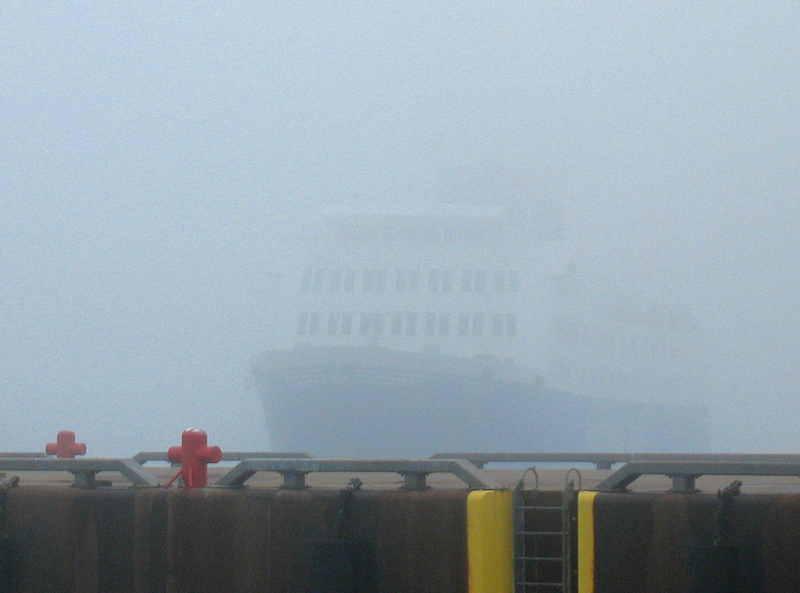
Duel on the Strait
Richard LeBlond
During my visit to the island of Newfoundland in late summer 2011, remnants of two hurricanes struck, and a third came ashore just after I left. Newfoundlanders shrugged. The Cape Ray area near Port aux Basques often has winds in excess of 190 kilometers per hour, equivalent to category 3 hurricanes. Those winds used to blow the sarcastically named Newfie Bullet off its narrow-gauge tracks before it was permanently blown off by construction of the cross-island highway and freight-hauling trucks.
Nowadays, strong winds are mostly a bother to boats and laundry. Boatmen stay ashore, except for crews on the large ferries to and from Nova Scotia and Labrador. Those vessels are part of the commercial highway and must set against the wind – and sometimes it seems, against reason.
Winds were strong along the Strait of Belle Isle during the latter part of my detour to southern Labrador. A few days before I departed, the Labrador ferry, Apollo, had set out from St. Barbe, Newfoundland, for its two-hour crossing to Blanc Sablon, a small town in Quebec about two kilometers from the Labrador border. Aboard the Apollo were some high-ranking government officials, but the winds were too strong to dock on the Quebec/Labrador side of the strait. So the ferry loitered offshore, waiting for the gale to ebb. But the wind wouldn’t cooperate, and the vessel eventually had to return to Newfoundland, a wasted six hours of official lives.
(Those passengers got off easy. Two weeks later, the ferry from Nova Scotia to Newfoundland dawdled offshore for 36 hours before docking, thanks to the remnants of hurricane Maria.)
A big part of the docking problem at Blanc Sablon is that the Apollo has to back in. The ferry always noses in to St. Barbe on the Newfoundland side, so cars and trucks heading to Labrador drive on through the bow. The Apollo backs into the dock at Blanc Sablon and the vehicles drive off through the stern. Backing in is a much more difficult maneuver than nosing in, and requires more power. Wind just makes it worse.
The failed crossing with the high government officials was prominently noted by the region’s weekly newspaper, the Northern Pen (and the inspiration for the newspaper in Annie Proulx’s novel, Shipping News). The Pen reported the Apollo was in need of repair and had been operating all summer at only 65 percent of its power capacity. During my own later crossing from Labrador to Newfoundland, I was told by a crew member that the vessel had to shut down the kitchen, as well as all other non-essential power uses, to gather enough thrust to perform the backing-in maneuver. It is possible the journey of those high government officials was thwarted by an overlooked toaster.
My plans were to leave Labrador on a Monday, but I had become so enamored of the little outport of Red Bay that I decided to stay two more days. It is well I did, because the Monday crossing I had originally reserved was cancelled. Not just the crossing was cancelled, but most of the day for those with reservations, due to the particulars of the ferry operation. Had I tried to depart Monday, I would have left Red Bay about 10 in the morning to arrive at the terminal in Blanc Sablon by noon. The ferry was scheduled to leave at 1 p.m., and those with reservations have to check in at least an hour before departure. Arriving late not only forfeits the reservation, but incurs a $10 penalty euphemistically called a non-refundable deposit.
On that Monday, the winds again were too strong for docking, and the Apollo meandered to and fro just offshore before finally giving up about 5 p.m. and returning to Newfoundland. During that time, those who were booked for the 1 p.m. crossing had to sit there and wait until the decision to abort was made. I would have wasted a day that could have been – and actually was – happily spent in Red Bay.
So instead I left Red Bay for Blanc Sablon on Wednesday morning. The wind was mild and the forecast good. But by the time I got to the ferry terminal, the bluster had picked up again. Way up. The Apollo had not yet docked, and could not be seen, as the strait was clotted with a fog as thick as pease pudding. I checked in at the terminal office, where no one knew what was going to happen. I was assured the Apollo was just offshore, out there in the pease pudding. I prepared myself for a lost day, splitting time between reading a book in the pickup, and standing in the bluster on the edge of the wharf, looking for some sign of the ferry, some attempt by it to get close enough for us to cast our hope to one another.
And then, after an interminable and dismal wait, the Apollo slowly appeared out of the fog, an apparition in transit from phantom to matter, gathering detail real and imagined. At first it was the ghost ship of the Flying Dutchman, then a three-master 150 years late from a whaling voyage, and penultimately a World War II merchant vessel come in from its dance with a German submarine. The Apollo was all of these, beyond its allotted time, unable to dock, condemned to wander in sight of land as the wind and the captain stared each other down.
The afternoon wore on, and the wind actually strengthened, diminishing hope. But the captain did not blink. Instead, after two hours of posturing, he attempted to back in, despite what seemed a greater danger. Maybe it was the aftertaste of the failed crossing with the officials, or the subsequent bad press. Maybe it was a call from the owner, or a look from the first mate. Whatever it was, he did not blink. Heaving mightily against the wind, the captain swung Apollo’s stern to the Blanc Sablon dock.
After the ferry unloaded its Labrador-bound traffic, we boarded and set off through the frothing strait for St. Barbe. I bought a 5-ounce cup of black tea at the cafeteria for $1.81. A refill cost as much. The tea was already brewed and came out of a 30-gallon container. A chronic tightwad, I tried to regard it as another contribution to the needed repairs. Nonetheless, the ferry owner is walking a fine line when he risks our safety and charges $1.81 for each small cup of generic tea. “It’s the Apollo for cod’s sake,” I tell him in absentia, “not the Queen Elizabeth II. Most of your passengers are out of work for half the year.”
As soon as we were free of the Blanc Sablon harbour, the Apollo began to lurch from side to side. We were exactly perpendicular to the wind and its battering waves. At first, it was just my tea cup accelerating across the table. But soon the vessel began to roll violently. Some people, having spent years of their lives on boats, thought they could walk, but instead could only slam into bulkheads. Dishes and pots in the kitchen slid along counters and crashed to the deck. Doors banged open and shut. I threw life-preservers to the fears that kept bobbing up in my mind of ships lost at sea.
As we got closer to Newfoundland, the wind hardly let up, but a bit of sun made its way through the fog, and little rainbows sailed above the waves reeling off Apollo’s bow.
“That was one of our roughest rides,” a crewmember said as we approached St. Barbe. But the young woman sitting at the next table disagreed.
“This happens all the time,” she said. She worked for the school system and crossed over to Labrador every week. “It’s always windy on the strait.”
But rather than being a comfort, her words were a disappointment. I wanted it to be one of the worst rides ever. I had paid dearly for those fears, and she had reduced them to mere paranoia.


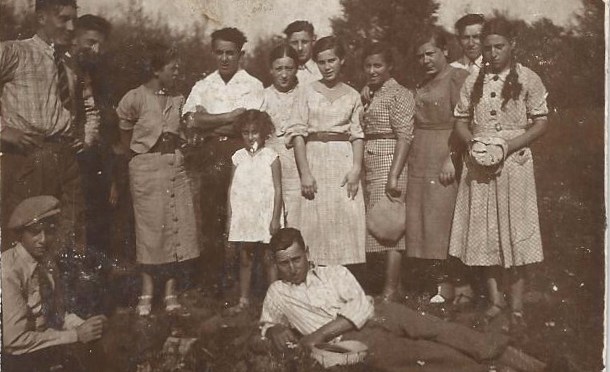
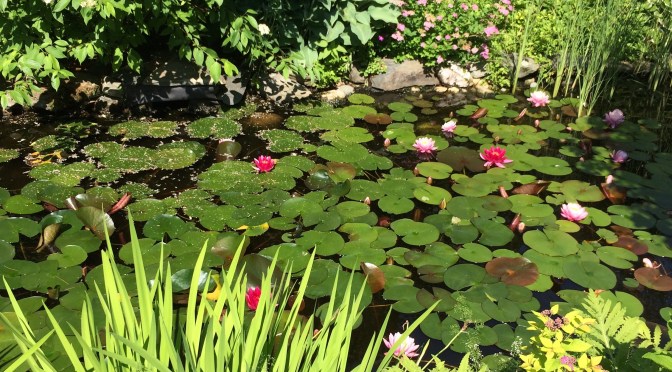
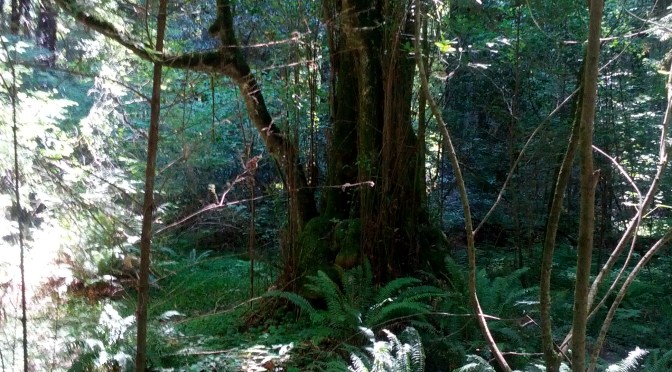
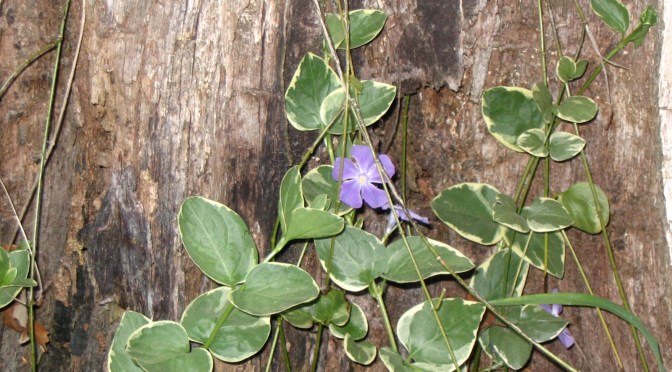

 JONAH magazine